Africa Centres for Disease Control and Prevention has warned that the Ebola outbreak in the Democratic Republic of the Congo remains uncontrolled six months after it was declared in May 2026. Its director-general, Jean Kaseya, says cases continue to escape routine surveillance and the response is being undermined by insecurity and limited frontline capacity. According to Reuters, government data indicated more than 11,200 infections and 5,500 deaths by mid-November. These are reported surveillance totals and can change as authorities verify records. The outbreak involves Bundibugyo virus, one of the viruses that cause Ebola disease. The warning represents a renewed assessment of an ongoing emergency rather than the discovery of an entirely new outbreak.

Why Is Contact Tracing Failing?
Tracing infected people’s contacts is essential for identifying exposed individuals, arranging monitoring, and breaking chains of transmission. Africa CDC reported that more than four in five new cases were not already on known contact lists, an alarming indication of undetected spread. Officials also said a high proportion of deaths occurred outside medical facilities, reducing opportunities for timely isolation and treatment. Such figures cannot establish the precise infection risk in every province, but they do show important weaknesses in case detection. Community trust, safe transport, and sufficient trained personnel are needed alongside laboratory capacity.
What Do Medical Workers Face?
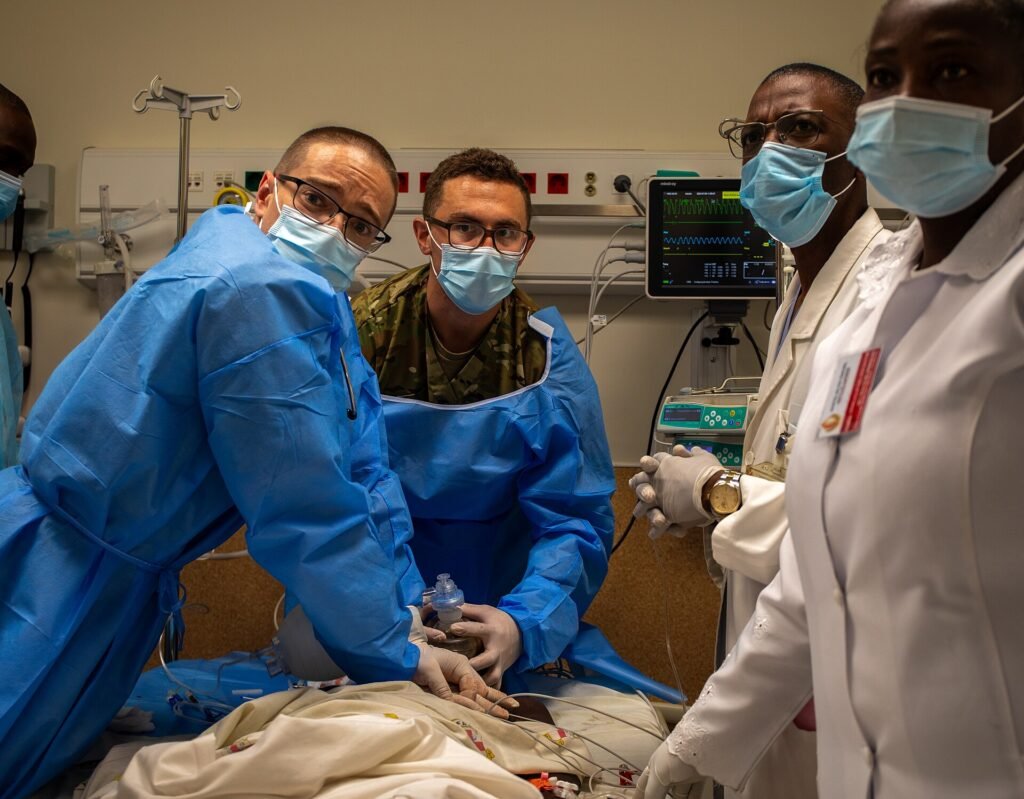
Associated Press described how violence, delayed salaries and insufficient operational support have interrupted treatment and outreach. Attacks on healthcare facilities can discourage people from seeking assistance and prevent response teams from entering affected communities. Poorly supplied ambulances, understaffed clinics, and gaps in protective equipment complicate care even where specialists are available. Health workers cannot control an outbreak safely if they lack reliable pay, access, and support. Community concerns about treatment centres or safe burials also require respectful engagement rather than blaming patients for distrust.
Why Are the Numbers So Severe?
The outbreak has expanded across multiple provinces, with many communities affected by conflict, displacement, and weak healthcare infrastructure. The World Health Organization said on 11 November that almost 11,000 confirmed infections and more than 5,300 deaths had been reported at that earlier point, while noting signs of slowing transmission in some localities. Those figures are not inconsistent with higher totals issued later; they represent different reporting dates. WHO also warned that progress in one location should not be mistaken for national control while new hotspots emerge elsewhere. Reliable reporting should identify the date and source of each changing figure.
Are Other Countries at Risk?
Movement across borders means public-health authorities in neighbouring countries need alert surveillance, trained clinicians, and clear procedures for handling suspected cases. Ebola spreads through direct contact with infected bodily fluids, not through ordinary airborne transmission over long distances. Infection-prevention measures, effective isolation, and early access to care are central to controlling it. The existence of regional cases does not mean all neighbouring populations face equal risk, and governments should communicate specific local assessments. Sensational claims about uncontrolled spread everywhere could discourage cooperation and undermine confidence in health services.
What Should Public-Health Messaging Emphasise?
Health authorities must provide information that is specific enough to protect people without spreading unnecessary fear. Early symptoms, reporting channels, safe clinical referral, and contact-monitoring processes should be explained in locally understood languages. People with symptoms or possible exposure should follow professional public-health guidance rather than attempt to manage suspected Ebola independently. Response teams also need reliable dialogue with community leaders and survivors, who can explain why families may distrust treatment centres or burial procedures. International reporting should resist presenting affected communities only as sources of danger: many residents and health workers are central to the response. Maintaining trust is essential because concealed illnesses and delayed reporting can undermine even well-funded surveillance systems. Practical guidance and consistent care are more useful than dramatic predictions about regional collapse.
What Is Needed Next?
African health officials are calling for faster funding, secure access to affected communities, and coordination that places local authorities and health workers at the centre. Paying response teams promptly and supplying facilities with basic transport, protective equipment, and testing capacity are immediate priorities. Donor pledges alone are not equivalent to money received or services delivered. WHO has urged transparent tracking of disbursements and protection of essential services beyond Ebola. Success will be measured by improved tracing, earlier treatment, fewer community deaths, and sustained reductions in transmission. Those indicators, rather than optimistic statements, will show whether the outbreak is coming under control.
Trivane View
The response should be evaluated by access to clinics, staff protection, traceable funding, and declining transmission—not headline pledges alone.
Related Trivane News
Attacks on Health Workers Threaten Ebola Containment Efforts in DR Congo
Nigeria Confirms Ebola Case, Traces 44 Contacts