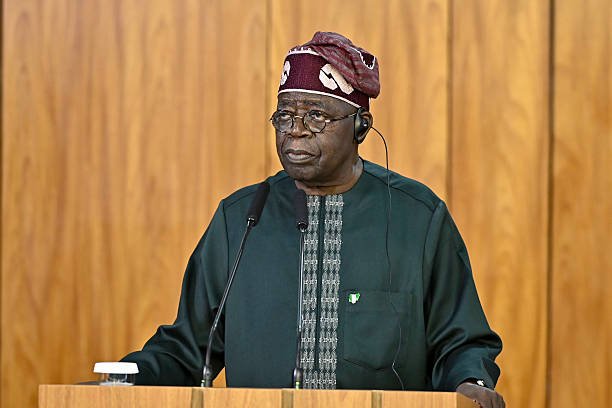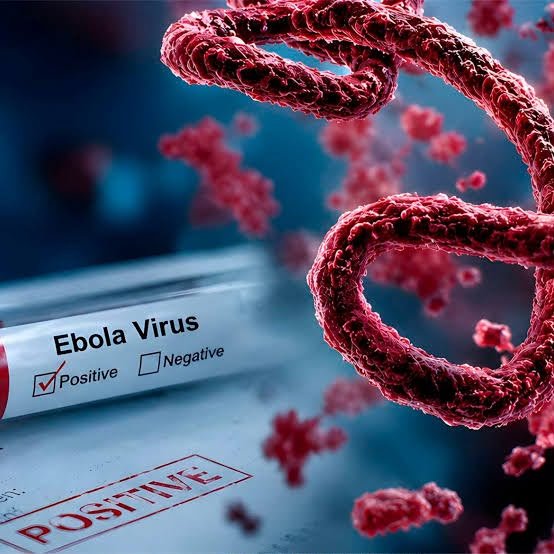
Nigeria’s Coordinating Minister of Health and Social Welfare, Muhammad Ali Pate, has confirmed a case of Ebola disease in the Federal Capital Territory (FCT), Abuja, with health authorities identifying 44 contacts as efforts intensify to prevent further transmission.
The confirmation followed laboratory testing of a woman who recently arrived in Nigeria on an international flight from Uganda.
According to a statement reported by Punch, the Federal Government has commenced contact tracing and strengthened disease surveillance, while the patient remains in isolation and receives medical care.
The announcement on Tuesday, 20 October 2026, marks Nigeria’s first confirmed Ebola case amid the ongoing regional outbreak.
Patient Developed Symptoms Before Diagnosis
The patient reportedly began experiencing symptoms on 7 October and sought medical attention at a private hospital in Abuja on 11 October.
She received treatment for several days before her condition worsened and further laboratory investigations confirmed Ebola infection.
The period between the onset of symptoms and confirmation has raised the urgency of identifying people who may have been exposed during that time.
Health authorities have not publicly identified the patient or disclosed the name of the hospital involved.
The Federal Ministry of Health and Social Welfare, Nigeria Centre for Disease Control and Prevention (NCDC), and FCT Health Services Secretariat are coordinating the response.
The hospital where the woman initially received treatment is also receiving support to strengthen infection prevention and control procedures.

Government Identifies 44 Contacts
Pate disclosed that 44 people had been identified during the contact-tracing exercise, including healthcare workers, patients, caregivers, and individuals who may have travelled with the infected woman.
The 44 identified contacts are not additional confirmed Ebola cases. They are people whose potential exposure requires investigation and monitoring.
The minister urged anyone contacted by public health teams, particularly passengers who travelled with the patient, to provide accurate information and comply with official guidance.
Authorities are also working to identify additional contacts and determine whether any further infections have occurred.
Public and private healthcare facilities nationwide have been instructed to remain vigilant, promptly isolate suspected cases, and report them to the appropriate public health authorities.
Regional Ebola Outbreak Raises Concerns
Nigeria’s confirmation comes amid worsening Ebola outbreaks across parts of Africa, particularly the Democratic Republic of the Congo (DR Congo).
In an official advisory issued on 6 October, the NCDC warned of the risk of importing Ebola into Nigeria after Kenya recorded an infection associated with the outbreak in DR Congo.
The agency said it was strengthening border surveillance, laboratory testing, infection prevention, contact tracing, and emergency response arrangements.
The risk of infections crossing international borders has become increasingly significant as patients travel between affected and previously unaffected countries.
Trivane News previously reported on Kenya’s response to its first imported Ebola case, including the challenges of identifying exposed passengers and preventing further transmission.
The Ebola outbreak in DR Congo is associated with the Bundibugyo virus. However, Nigerian authorities have not yet publicly confirmed the specific Ebola virus responsible for the Abuja case.
What Nigerians Should Know About Ebola
According to the World Health Organization (WHO), Ebola is a severe viral illness transmitted through direct contact with the blood or other bodily fluids of an infected person who has developed symptoms, or through contaminated materials.
Symptoms may appear between two and 21 days after exposure and commonly include fever, severe weakness, headache, muscle pain, vomiting and diarrhoea.
A person infected with Ebola does not transmit the virus before developing symptoms.
The WHO emphasises that early diagnosis, supportive medical care, isolation, and contact tracing are important in reducing deaths and controlling transmission.
Health officials have advised Nigerians to maintain good hand hygiene, avoid direct contact with potentially infected bodily fluids, and seek guidance from public health authorities if they develop symptoms following a possible exposure.
People with suspected exposure should contact health officials before attending a healthcare facility so that appropriate arrangements can be made.
The NCDC’s toll-free emergency line, 6232, is available for reporting suspected cases and obtaining public health information.
What Happens Next?
Nigeria’s immediate priority is to complete contact tracing, monitor potentially exposed individuals, and determine whether the confirmed infection has resulted in further transmission.
The next official updates are expected to clarify the patient’s condition, the progress of the contact-tracing exercise, and whether additional infections have been detected.
The effectiveness of the response will depend on early identification, strict infection control in healthcare facilities, and cooperation from individuals who may have been exposed.
Nigeria successfully contained an imported Ebola outbreak in 2014 through coordinated public health intervention. The latest case will test the country’s ability to apply those lessons amid a rapidly evolving regional health emergency.
Related Story: Kenya Quarantines 10 Contacts After First Imported Ebola Case