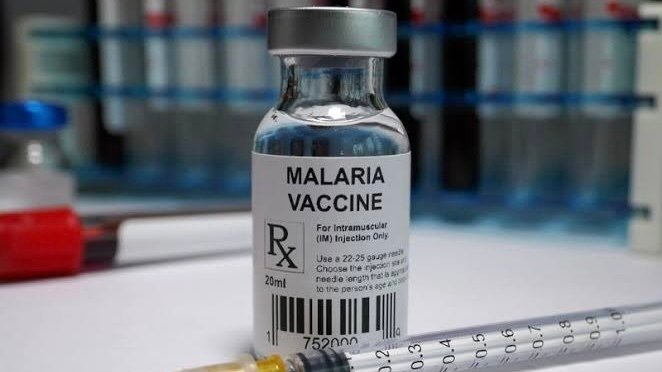
The Federal Ministry of Health, in collaboration with the National Primary Health Care Development Agency (NPHCDA), has officially greenlit Phase Two of the R21/Matrix-M malaria vaccine distribution. Beginning in November 2026, the vaccination program will expand to 15 additional states, primarily targeting regions with the highest pediatric mortality rates linked to malaria.
This expansion follows the initial pilot phases in Kebbi and Bayelsa states, which demonstrated a high acceptance rate among local communities. The World Health Organization (WHO) has consistently endorsed the R21 vaccine, noting its high efficacy in preventing severe clinical malaria in children under the age of five when administered in the recommended four-dose schedule.

How Are Supply Chains Being Managed?
One of the most significant challenges during the Phase One rollout was maintaining the required cold chain infrastructure in rural and underserved areas. To address this, the NPHCDA has secured a substantial grant from international donor agencies to procure 5,000 solar-powered direct-drive refrigerators.
These units will be deployed exclusively to primary healthcare centers (PHCs) operating off the national grid. Furthermore, the Ministry has contracted specialized private logistics firms to handle the “last-mile” delivery, ensuring that the vaccines arrive at the PHCs within the strict temperature parameters required to maintain their efficacy.
What Do Health Experts Advise?
Public health experts are emphasizing that the vaccine is a complementary tool, not a standalone cure. The Nigeria Centre for Disease Control (NCDC) and local pediatricians stress that parents must continue to utilize insecticide-treated nets (ITNs) and seek prompt medical testing for any febrile illness.
There is also an ongoing campaign to combat vaccine hesitancy. Community leaders and religious figures in the newly targeted states have been drafted into mobilization committees. Their primary role is to disseminate accurate information in local languages, countering misinformation regarding the vaccine’s safety profile and origins.
What Happens Next?
The first batch of the Phase Two vaccines is scheduled to arrive at the National Strategic Cold Store in Abuja by the first week of November 2026. Distribution to the state cold stores will commence immediately thereafter. Health officials will closely monitor adverse events following immunization (AEFI) through a digitized tracking system, with a comprehensive progress report expected to be published by the end of the first quarter of 2027.
Related Story
Read Trivane’s earlier coverage: Why funding gaps continue to threaten primary healthcare infrastructure across Nigeria