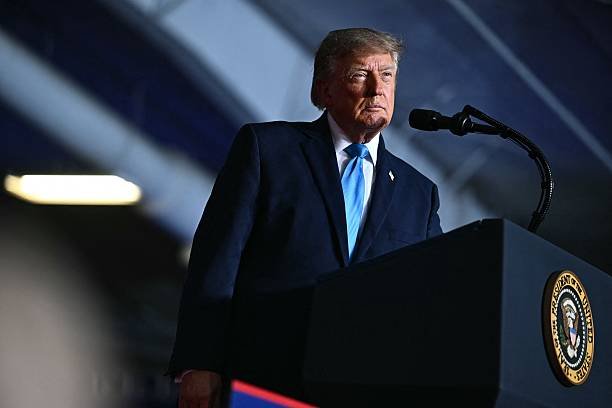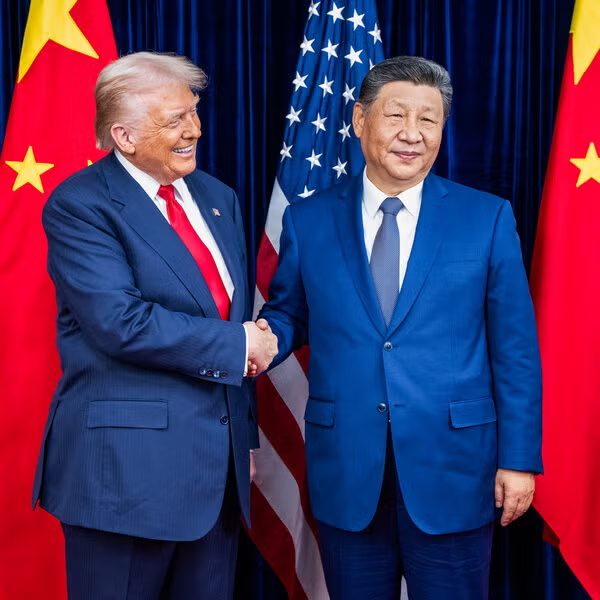
China and the United States have held the first meeting of a new bilateral trade council, reopening structured talks about tariffs, agricultural purchases, and the future of their economic relationship ahead of an expected meeting of their presidents. The video conference took place on Friday, 13 November, and China’s commerce ministry announced it on Saturday. According to Reuters, officials described the discussions as constructive, but did not disclose any new signed agreement. This distinction matters: a meeting can advance negotiations without changing duties paid by importers or establishing new market access. The council is intended to provide a recurring channel for resolving disputes between two economies whose trade decisions influence global prices and supply chains.
What Does the $30 Billion Arrangement Mean?
The central proposal concerns reciprocal tariff reductions on approximately $30 billion worth of goods from each country. The figure describes the annual trade value of products potentially covered on each side; it is not a direct cash payment or a promise that businesses will save $30 billion in taxes. The framework covers selected goods, rather than removing every tariff imposed during years of trade tensions. Xinhua reported that China’s commerce ministry wanted both governments to complete the domestic legal steps necessary for implementation. Until the tariff schedules and effective dates are published, commercial buyers cannot assume that particular goods will qualify for the planned lower rates.

Why Is Agricultural Trade Important?
Farm products remain a sensitive part of the discussion. American growers seek dependable demand from China, while Chinese buyers weigh prices, food-security requirements, diplomatic conditions, and competing suppliers. Purchases of soybeans and other commodities can become negotiating signals, but changing trade flows also reflect harvests, freight costs, and exchange rates. The Associated Press previously explained that the proposed tariff agreement was intended to cover selected non-sensitive goods, with a larger settlement requiring further negotiations. That background explains why officials discuss agriculture alongside tariff implementation, without proving that a new procurement commitment was reached at Friday’s meeting.
How Does the Meeting Fit the Wider Diplomatic Calendar?
The discussions preceded a planned meeting between President Donald Trump and President Xi Jinping in Shenzhen next week. High-level diplomacy may provide political direction, but officials still need product lists, customs guidance, implementing rules, and arrangements to resolve disagreements. Businesses therefore face an unusual period in which diplomatic language may improve before practical changes reach contracts. Exporters may review pricing and supply plans, yet large investments should not depend on an unannounced tariff decision. The United States and China also continue to have wider disagreements involving technology, investment restrictions, and strategic competition.
What Should Traders and Other Countries Watch?
The next meaningful indicator will be the publication of enforceable tariff decisions, not merely another optimistic statement. Importers will want to know the covered tariff lines, origin rules, qualifying dates, and whether existing duties remain in place. Economies outside the bilateral talks may be affected through shifts in commodity demand, manufacturing orders, and shipping routes, but none of those effects is automatic. Nigeria and other import-dependent markets could see indirect changes in equipment and input prices if major global trade flows change. Reporting should distinguish potential effects from verified price movements.
What Would Count as Meaningful Progress?
A concrete agreement would need to tell exporters exactly which products are eligible, when reduced duties begin, and how customs agencies will enforce the changes. Governments could also provide a timetable for reviewing disputed categories and a route for businesses to report implementation problems. Such details are less dramatic than a presidential meeting, but they determine whether a trade promise has practical value. For farmers, reassurance must ultimately be visible in contracts and dependable orders; for manufacturers, it should appear in predictable landed costs and fewer administrative surprises. If talks stall, firms may diversify suppliers or maintain contingency plans instead of adjusting production immediately. The council offers a channel for negotiation, not a guarantee that geopolitical disagreements will disappear. Clear, publicly accessible updates after each session would make it harder to confuse negotiation with implementation and help trading partners assess real progress.
Trivane View
A diplomatic breakthrough should be measured by what businesses can legally do after the meeting, rather than by the warmth of official statements. Clear dates, product coverage, and implementation rules will provide the evidence needed to assess whether reduced friction is becoming a reality.
Related Trivane News
G7 Ministers Meet in Paris as Ukraine Peace Talks and Iran Crisis Test Unity
COP31 Opens in Turkey as Nations Face Pressure to Deliver Climate Finance