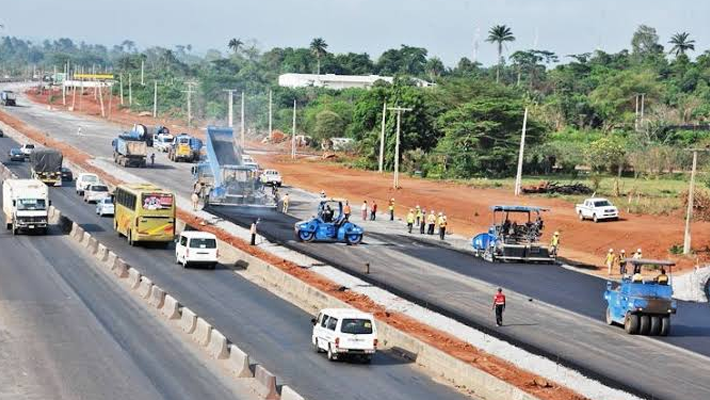
A $516.3 million facility arranged by Deutsche Bank is drawing renewed attention to the first section of Nigeria’s planned Sokoto–Badagry Superhighway. The arrangement, announced by the bank on 28 October, was reported again on 13 November as policymakers and contractors consider the road’s financing and implementation. According to BusinessDay, the funding supports the design and construction of an initial section of the planned corridor, not the entire highway. That distinction is essential because the proposed route extends across several states and would require extensive additional construction and financing. The reported announcement is therefore an update on the funding structure rather than proof that the entire project is complete or fully funded.

How Is the Transaction Structured?
The financing uses a Commodity Murabaha structure, a form of Shariah-compliant trade financing, and benefits from credit insurance issued by the Islamic Corporation for the Insurance of Investment and Export Credit. IBTimes Nigeria reported that the facility has a nine-year financing horizon. Such arrangements aim to match repayment obligations with the scale of a long-lived public asset while managing the risks perceived by lenders. Insurance can reduce certain financing exposures; it cannot eliminate construction delays, disagreements over contracts, or the public cost of borrowing. Details of repayment obligations and disbursement milestones remain important to evaluating the transaction.
What Does the Road Plan Cover?
PUNCH reported that deutsche Bank describes the planned Sokoto–Badagry route as a 1,290-kilometre dual carriageway linking northern Nigeria with the Atlantic coast. The corridor is intended to connect agricultural regions, trading centres and transport routes across seven states. Better road links could reduce travel friction for businesses and improve access to markets, but the benefits will depend on the quality of construction, maintenance, security and the affordability of moving goods. A major announced project should not be confused with completed, usable road sections. Communities along the route will also need information about land acquisition, compensation, environmental safeguards and access roads.
What Did Lawmakers Approve?
The House of Representatives approved a financing request for approximately $516.33 million earlier in 2026. PUNCH reported that the legislative action related to designated sections of the superhighway, rather than providing unrestricted funding for every stage. Legislative approval is an important procedural step, but approval, financial close, release of funds and physical construction are distinct milestones. The public should be able to see what obligations the Federal Government accepted, who is responsible for delivery and whether agreed technical standards are being met. Public oversight can also compare actual spending with progress on specific sections rather than only headline kilometre targets.
How Could Businesses Benefit?
A functioning corridor between Sokoto and Badagry could create alternatives for moving farm produce, manufactured goods and imported materials. Transport costs influence food prices, business inventories and delivery reliability, especially where damaged or congested routes make journeys uncertain. Yet the effects cannot be calculated simply from the length of a proposed highway. Logistics operators will weigh tolls, border procedures, fuel, vehicle wear, security and links to warehouses and ports. The road’s economic usefulness depends on whether it connects with real commercial activity, rather than becoming an isolated construction landmark.
What Must Be Monitored?
Government agencies should publish construction schedules, engineering milestones, procurement disclosures, and financing updates that distinguish amounts arranged from amounts disbursed. Independent audits can test cost estimates and ensure that early phases deliver usable road sections. A credible public progress dashboard would help taxpayers and potential investors assess whether financing produces results. None of the available reports establishes that all planned stages have secured funding or that the 1,290-kilometre route is ready for traffic.
What Are the Fiscal and Delivery Risks?
The public financing burden must be judged alongside other demands on Nigeria’s budget. A facility denominated in dollars can create exposure if the naira weakens while repayments remain linked to foreign currency. The final financing terms, guarantees, and insurance arrangements should therefore be accessible for scrutiny, subject to legitimate commercial confidentiality. Construction itself may face inflation in material prices, difficult terrain, seasonal disruptions, or disputes over compensation. Those risks need not prevent investment, but they require realistic contingencies and transparent contract management. Oversight is particularly important because the economic return from the road may emerge gradually, while financing commitments begin earlier. Residents should also be told which segments will open first, what temporary disruption to expect, and how complaints about safety or property impacts will be handled. A corridor serving the public must be evaluated by reliable access and sustainable costs, not only ceremonial milestones.
Related Trivane News
Nigeria Pension Funds Target $750m Infrastructure Platform With UK Support
Nigeria Reports $21bn Oil Investment Interest as Firms Weigh New Projects