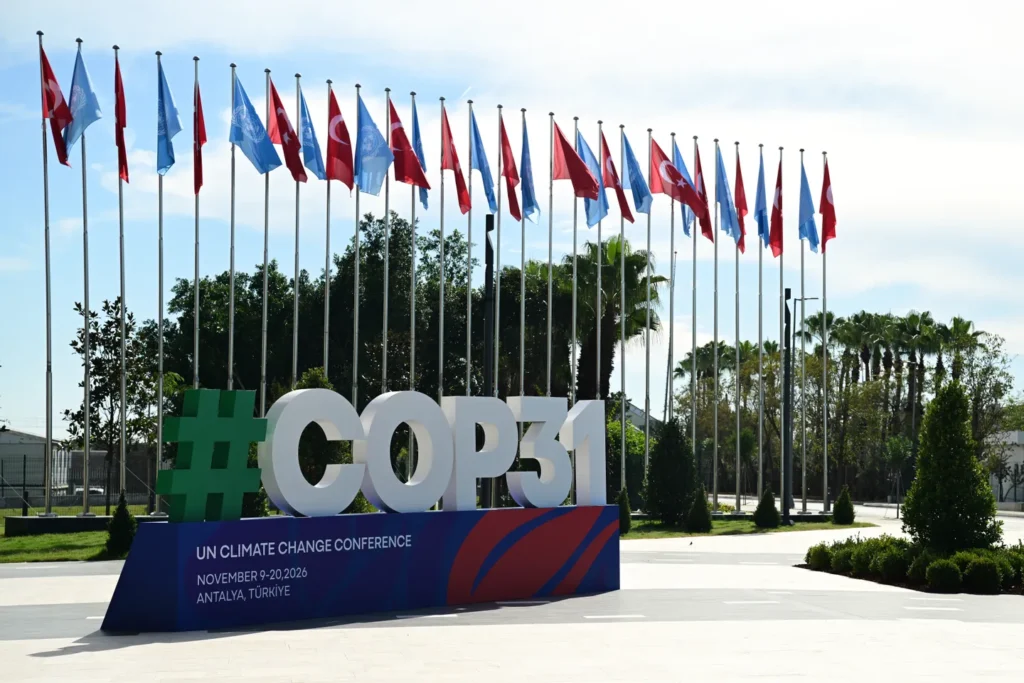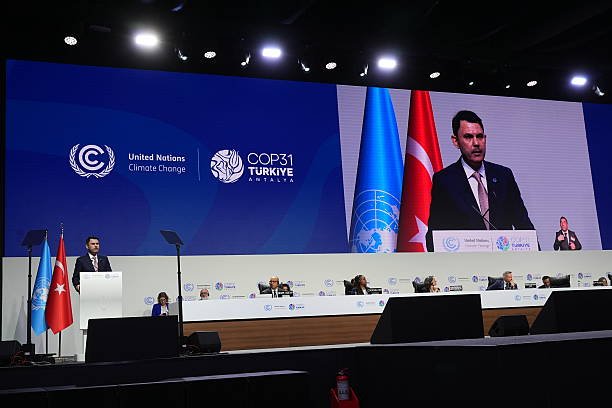
The United Nations climate summit opened in Antalya, Turkey, on Monday, 9 November 2026, with governments under pressure to demonstrate tangible progress against global warming. The conference, known as COP31, runs through 20 November and brings together nearly 200 countries. The opening comes after another year of damaging extreme weather, even as wars, energy insecurity, and the growth of artificial intelligence compete for political attention. The negotiations are only beginning; no final summit agreement has been reached.
What Are Leaders Being Asked to Deliver?
According to Reuters, UN climate chief Simon Stiell warned at the opening that international progress was far short of what is needed. The appeal is not simply to negotiate another declaration. Governments are being pressed to show how they will implement emission-reduction plans, protect vulnerable communities, and finance the transition. Turkey is promoting an action agenda including wider electrification, but the source of electricity remains essential: expanding fossil-fuel generation would not yield the same climate benefits as expanding clean power.
The summit follows a year of damaging heat, floods, and other disasters. That backdrop raises the cost of delay for communities already confronting rising insurance premiums, disrupted agriculture, damaged infrastructure, and threats to human health. For negotiators, the challenge is to connect global goals with credible national budgets and timetables.

Why Is Climate Finance So Contentious?
Associated Press reported that developing countries are seeking stronger commitments from wealthier nations to support adaptation, recovery from disasters and the move away from fossil fuels. These demands reflect a long-running dispute over who should shoulder the costs when countries that contributed relatively little to historic emissions are highly exposed to their consequences. Delegates will need to distinguish loans from grants, new support from previously announced pledges, and promised money from finance actually delivered.
For African governments, practical needs include stronger flood defences, drought-resilient agriculture, early-warning networks, and electricity systems that are reliable as well as cleaner. Financing commitments only become meaningful when projects receive funding, reach affected communities, and can be maintained for years. The conference therefore provides a chance to test the delivery of existing undertakings rather than judge ambition by headline figures alone.
What Makes This Summit Different?
COP31 is being hosted by Turkey in Antalya from 9 to 20 November, with Australia leading negotiations under the shared hosting arrangement. The United States is absent from the process after withdrawing from climate negotiations, creating a further diplomatic complication. Other major emitters must decide whether to bridge divisions while managing their own industrial and energy priorities. Conflict-driven uncertainty over oil supplies has added political pressure to decisions about fossil fuels and renewable capacity.
The Guardian followed the opening proceedings as delegates assembled in Antalya, where the ceremonial programme was beginning. World leaders’ high-level meetings are scheduled later in the week, so opening-day remarks should not be mistaken for a final negotiated outcome. A summit can start with urgent warnings while still requiring difficult bargaining over wording, finance, measurement, and enforcement before its closing session.
What Will Count as Progress?
One important test will be whether countries agree to more measurable methane cuts, cleaner electricity, and resilient infrastructure without weakening existing climate commitments. Another will be transparent reporting on how finance reaches those facing the greatest risks. Vague language could conceal disagreement, while a narrower but measurable decision may help implementation. Negotiators will also have to address the rapidly expanding electricity demand associated with digital infrastructure and artificial intelligence.
The next two weeks will expose the gap between technical solutions and political willingness to finance them. Countries with different energy resources, income levels, and vulnerability cannot be expected to follow identical routes, but agreed reporting and accountability can make competing plans easier to assess.
The decisions being discussed will also affect public budgets beyond environment ministries. Infrastructure officials, energy planners, agriculture agencies, and health systems will be expected to translate national climate plans into spending priorities. In countries with limited fiscal space, governments may face difficult choices about borrowing, subsidies, and disaster preparedness. That is why the definition and accessibility of international finance matter: countries need to know whether promised support is predictable, affordable, and appropriate for projects that may take years to deliver results. Clear milestones could help citizens assess whether the summit changes policy after delegates leave Antalya.
Trivane View
The credibility of COP31 will depend less on the intensity of its opening speeches than on whether governments publish verifiable commitments and deliver support to the communities most exposed to climate harm.
Related Trivane News
UN Warns Nearly 90 Million Displaced People Face Severe Climate Risks
Russian Strikes Damage Kyiv Bridge and Energy Network Ahead of Peace Talks