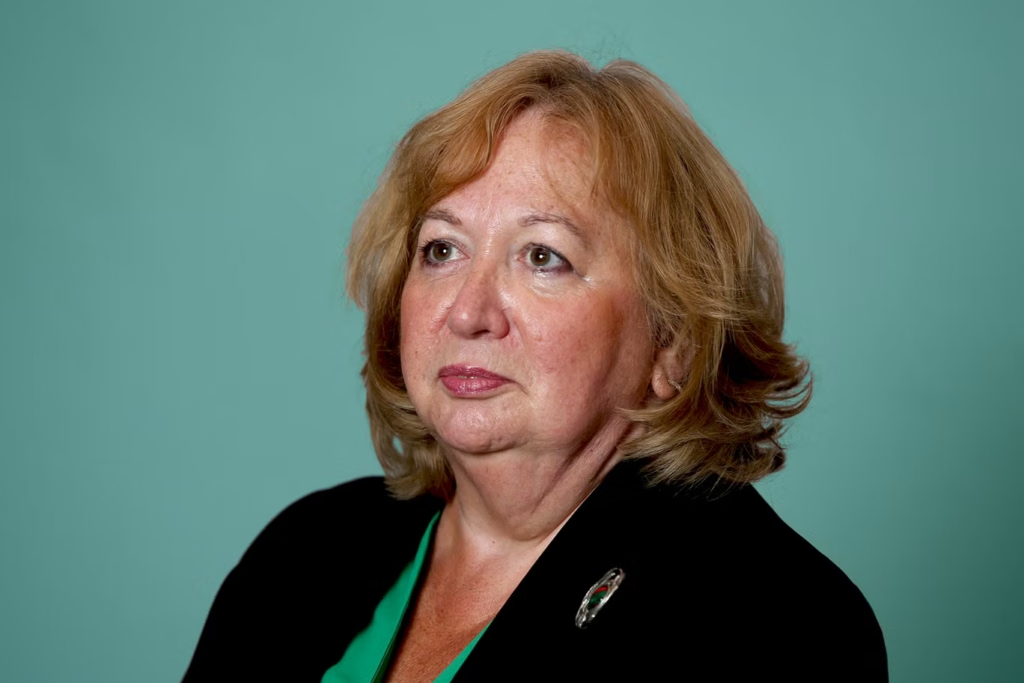
The British government has named Baroness Christina McAnea as chair of a new negotiating body tasked with developing England’s first adult social care fair pay agreement. The appointment, announced on Wednesday, 25 November, gives a named leader to a process intended to bring employers and trade unions together over wages, working conditions, and other employment questions. It does not mean a pay increase has already taken effect. The first negotiating round is due in April 2027 and ministers envisage an initial settlement by April 2028. The development was reported by UK Department of Health and Social Care.
What the proposed agreement covers
The Department of Health and Social Care said the first agreement will be supported by £500 million and relates to a workforce estimated at 1.5 million people. The new body is expected to negotiate pay, terms, and conditions and other employment matters. The government describes the arrangement as an important component of its proposed National Care Service, but the details of individual pay awards, employers’ obligations, and the ultimate settlement are still to be negotiated. Reporting the £500 million as an immediate wage payment to every worker would therefore be inaccurate.
Why social care staffing matters
Adult social care encompasses support for older people, people with disabilities, and others who need assistance with daily living. Care may be delivered in residential settings or in people’s homes. Retaining experienced staff affects continuity of support, while vacancies and turnover can place pressure on families and healthcare services. Low pay is not the only workforce challenge: training, career progression, predictable hours, travel arrangements, and workplace support also influence recruitment and retention. Negotiations will have to consider what providers can implement while protecting services.

A timetable rather than an immediate rise
McAnea is expected to chair the independent negotiating body for three years. The government says the body will bring together worker and employer representatives and propose agreements for ministerial consideration. Its first talks are not due to begin until April 2027, leaving months for procedural arrangements and negotiating positions to be settled. The timetable gives a useful test of delivery: workers should be able to distinguish policy announcements from a signed agreement, a funded implementation plan, and money reaching their payslips.
Reactions and outstanding questions
Ministers presented the appointment as progress towards better recognition of care workers, and sector representatives welcomed the prospect of structured bargaining. Skills for Care also emphasised investment in training and clearer routes to career development. However, the announcement does not establish an agreed national rate or explain how all providers will manage any resulting costs. Councils, independent providers, charities, and families who arrange care will be watching the financial details. The government also expects to publish a wider adult social care workforce plan by the end of the year.
What happens next
The next milestones are the formal organisation of the negotiating body, engagement with unions and employers, and the start of talks in April 2027. Any settlement must then be examined against its promised implementation date of April 2028. For now, the verified development is the chair’s appointment and the published negotiating timetable. The announcement signals an intended change in how pay is determined, not a completed change in conditions for the 1.5 million people who work in adult social care.
Funding and employer capacity
The proposed bargaining process also raises a practical distinction between a national employment framework and the wide variety of organisations that deliver care. Some providers operate large residential services, while others serve a small number of people at home. Funding arrangements and contracts differ across local authorities and care settings. A settlement that improves recruitment will require an implementation mechanism that does not inadvertently reduce the available care hours. The government has announced additional social-care funding for future years, but the precise allocation of a negotiated pay award has yet to be settled. Workers will therefore need clear written terms and a timetable rather than general assurances about reform.
The wider implications
The change could also affect people who depend on reliable visits, including relatives who organise care from a distance. The quality of care depends partly on workers having enough time to complete tasks safely, communicate concerns, and maintain relationships. A pay agreement alone cannot resolve every problem in the system, but it may influence whether experienced staff remain. Ministers and employers will need to publish the final terms once negotiated and distinguish national aspirations from obligations that take effect on a specified date. Until then, there is no confirmed amount by which a particular worker’s wages will rise.
Related Trivane News
UK Announces Neighbourhood Care Teams for Vulnerable Patients