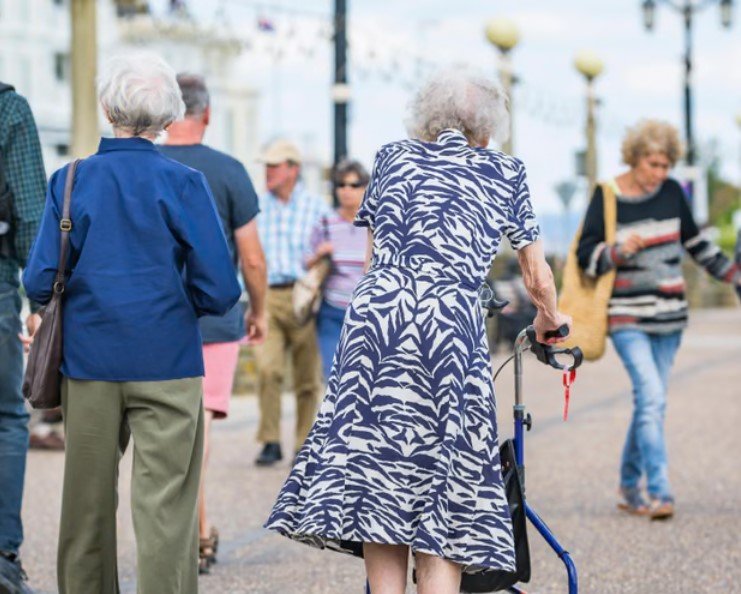
The UK government is expected to introduce a special personal tax allowance for low-income pensioners in its upcoming Budget, aiming to prevent people who rely solely on the state pension from paying income tax on their retirement payments.
According to The Guardian’s report on the proposed measure, the plan is expected to align the allowance with the full new state pension, which is projected to increase to approximately £13,036 a year from April 2027.
The standard personal allowance – the amount most people can earn before income tax applies – has remained at £12,570 since 2021. Without an adjustment, the projected pension increase would push the full new state pension above that threshold.

How the proposed allowance could work
The government has already committed to protecting people whose only income is the state pension from being taxed on that payment. The new allowance is expected to provide a way to deliver on that commitment.
However, the precise eligibility rules and how the system will treat pensioners with small amounts of additional income have not been fully confirmed. Pension experts have warned that a special allowance could create complications for people receiving private or workplace pensions alongside their state pension.
Who could be affected?
The proposal is intended to protect lower-income pensioners, particularly those relying solely on the state pension. Its eventual reach will depend on the rules announced by the Treasury.
The government’s budget is scheduled for Wednesday, 28 October 2026. Until the full details are published, the precise number of people who will benefit and how the allowance will operate remain unconfirmed.