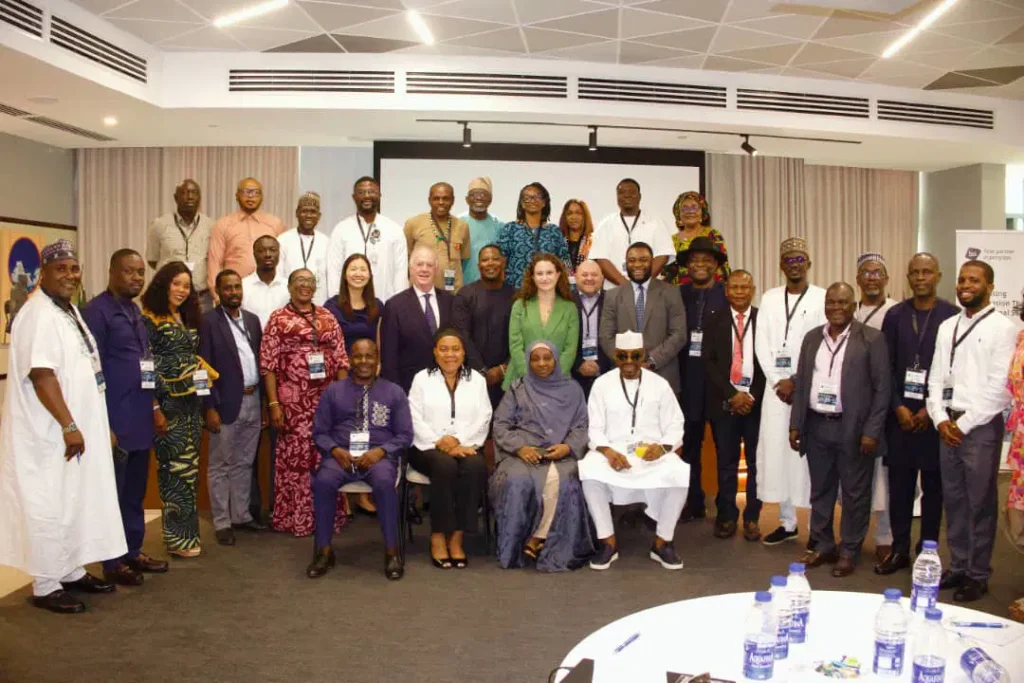
Nigeria and the United Kingdom have expanded cooperation on artificial intelligence governance following engagements involving the British Standards Institution (BSI) and Nigerian government agencies. According to The Guardian, the collaboration included an executive workshop organised with the National Centre for Artificial Intelligence and Robotics (NCAIR) under the UK government’s Digital Access Programme. The programme brought regulators, senior public officials and technology practitioners together to examine how recognised standards can guide AI deployment.
Vanguard reported that the engagement covered risk management, accountability and oversight, rather than the launch of a new AI product or a binding bilateral treaty. The distinction matters: training officials to understand standards is not the same as enacting enforceable requirements for every developer or public agency.
Which Standards Were Discussed?
According to New Telegraph, participants examined ISO/IEC 42001, an international standard for AI management systems, and ISO/IEC 23894, which addresses AI risk management. These frameworks can help organisations identify responsibilities, assess potential harm and document controls around the systems they build or use.
Standards can be useful in procurement, audits and internal governance, but their legal force depends on whether governments or regulators incorporate them into applicable rules. The workshop itself does not establish that Nigeria has made either standard mandatory. Businesses should therefore distinguish voluntary good practice from statutory compliance obligations.
Why Are Britain and Nigeria Working Together?
The Guardian reported that the British Standards Institution has worked with Nigerian institutions including the National Information Technology Development Agency, the Standards Organisation of Nigeria and data-protection authorities on technology governance. The latest engagement sits within a wider relationship involving digital trade, cybersecurity and trusted public services.
For Britain, cooperation can support interoperable markets and confidence in cross-border digital services. For Nigeria, it offers technical knowledge at a time when public institutions and private companies are experimenting with AI. Neither benefit is automatic: translating workshop discussions into safer systems requires funding, skilled personnel and institutional follow-through.
What Did Officials Say?
Vanguard quoted Grace Bell, First Secretary for Economic Partnerships and Digital at the British High Commission, as emphasising that AI’s potential economic and social benefits depend on credible governance and strong institutions. Her comments framed technical standards as tools for building trust rather than barriers to innovation.
New Telegraph also reported remarks from NCAIR national coordinator Olubunmi Ajala, who highlighted the need to strengthen Nigeria’s domestic institutional capacity. Those statements outline the governments’ priorities, but they should not be interpreted as independent evidence that particular AI systems have become safer or more accountable.

What Could This Mean for Businesses and Citizens?
Companies developing AI-enabled financial, recruitment or customer-service products may benefit from clearer expectations on documenting risks and assigning responsibility. Internationally recognised practices could also help suppliers respond to due-diligence questions from overseas clients. However, implementing them may require additional staff time, testing, and documentation, particularly for smaller firms.
For citizens, the stakes are more immediate. AI used in consequential decisions can raise questions about inaccurate outputs, discrimination, privacy, and avenues for challenging mistakes. Responsible governance should therefore include human review where appropriate, accessible complaints processes, and meaningful safeguards for personal information. These are potential applications of the standards discussed, not measures confirmed as operational nationwide.
What Remains Unclear?
The reports reviewed do not identify a new binding implementation timetable, a published compliance mandate, or a budget dedicated to rolling out the workshop’s recommendations. Nor do they establish how many public bodies will adopt the standards or how their performance would be measured.
There is also a difference between agreement on general principles and practical enforcement. Regulators would need to determine which AI uses pose the greatest risks, how compliance should be assessed, and what remedies people can access when automated systems cause harm. Those questions remain central to judging the partnership.
What Happens Next?
Attention will turn to whether participating agencies publish follow-up plans, adopt documented AI governance procedures, or announce specific guidance for public procurement and private-sector users. Future disclosures about training coverage, independent assessment, and incident reporting would provide stronger evidence of progress than statements of intent alone.
For now, the UK–Nigeria engagement represents cooperation on standards and capacity building. Its lasting significance will depend on whether those discussions translate into measurable improvements in accountability, safety, and public trust. A credible next step would be the publication of the agencies responsible for follow-up, their proposed milestones, and a clear account of how ordinary people can challenge AI-assisted decisions. Without that transparency, it will be difficult to distinguish meaningful reform from another round of institutional announcements.
Related Story
UK Unveils 10,000 Tech Work Placements