
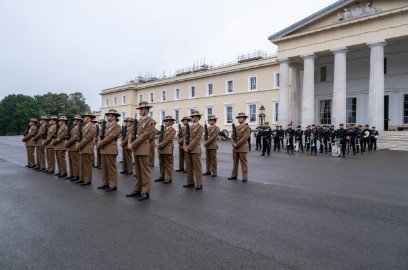
An independent investigation into military training establishments is examining welfare and behaviour following allegations of rape, sexual assault, and harassment at the Army Foundation College in Harrogate.
BBC News reported on Wednesday that the investigation covers 10 training sites in England. It is being led by Armed Forces Commissioner Polly Miller-Perkins and includes the college where teenage Army recruits train.
In August, four young women told the BBC they had experienced sexual assault or harassment at the college. One alleged that several fellow junior soldiers had raped her.
These allegations form part of the background to the investigation. The review has not yet published findings establishing what happened or identifying responsibility.
What the review will examine
The Armed Forces Commissioner’s office announced the thematic review on 18 September. Its stated focus is welfare, behaviour, and the everyday experience of people in Phase 1 military training.
Phase 1 is the first experience of service life for most recruits. The review will consider instructors and the chain of command as well as those undergoing training, recognising that problems within the training environment may affect more than one group.
The commissioner’s office said a call for evidence would begin in October, with details explaining how people could contribute. It described the investigation as its first thematic review under wider powers that took effect on 1 April 2026.
That timeline matters: the review was already announced before Wednesday’s BBC report. The latest coverage brings renewed attention to its scope and the allegations surrounding Harrogate.
Independence and accountability
Parliament’s Defence Committee endorsed Miller-Perkins’s interim appointment in March, following a hearing to assess her suitability.
The committee supported her appointment but raised concerns about the recruitment process. She was selected for an interim term after an earlier open recruitment exercise failed to appoint a candidate.
Committee chair Tan Dhesi said the commissioner needed to demonstrate independence and be able to hold ministers and the military chain of command to account. The committee also stressed transparency and the welfare of service personnel and their families.
The review’s evidence process will provide an opportunity to examine whether concerns extend beyond individual establishments. Its conclusions remain pending. For now, the confirmed development is an examination of training welfare and behaviour, rather than a completed assessment of the allegations.