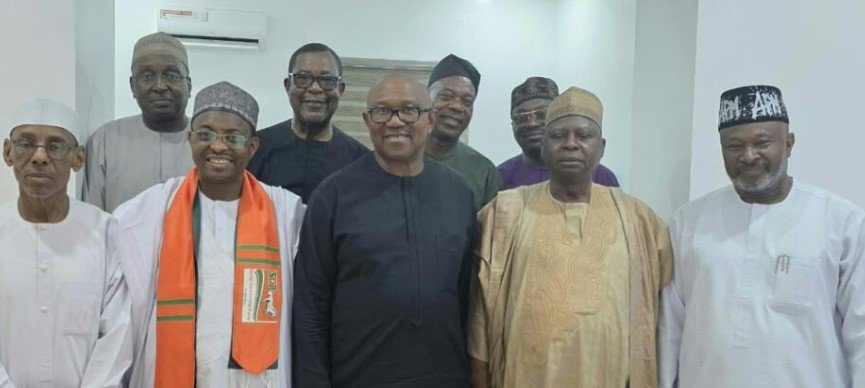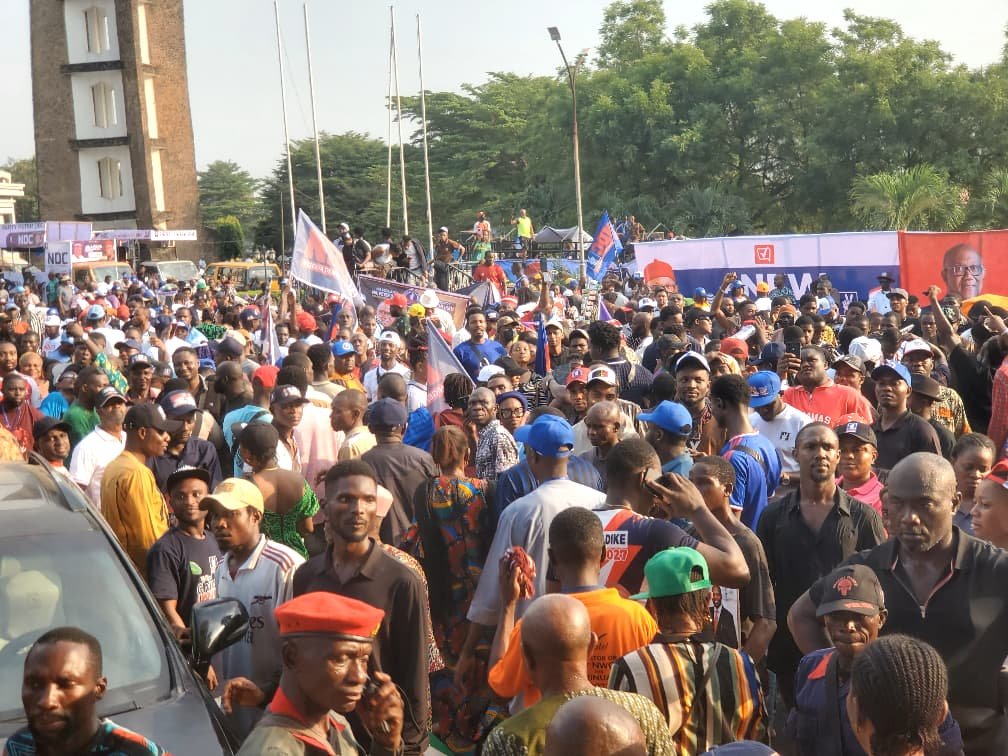
Nigeria Democratic Congress (NDC) presidential candidate Peter Obi has pledged to expand Nigeria’s electricity supply to 10,000 megawatts and tackle kidnapping, unemployment, and corruption if elected in 2027. He made the commitments during a town hall meeting in Onitsha, Anambra State, on Friday, 20 November, positioning security and public services at the centre of his campaign.
PUNCH reported that the former Anambra governor appeared alongside the political platform he shares with running mate Rabiu Kwankwaso. Obi told supporters his administration would seek to move the economy away from consumption towards production. The claims are campaign commitments, not policies already implemented or independently costed government programmes.

Electricity target raises implementation questions
Obi said his team would seek to raise generation, transmission, and distribution capacity to 10,000MW. The distinction between installed generation capacity, electricity actually dispatched, and reliable power delivered to households is important. A national megawatt pledge cannot by itself establish how many hours of electricity businesses or residents would receive.
Meeting such an ambition would require dependable fuel and water supplies for generation, a transmission network able to carry additional electricity, and distribution companies capable of collecting revenue while improving service. The candidate did not, in the account of Friday’s event, publish a detailed financing plan or timetable for the proposed increase.
Electricity remains a politically significant promise because unreliable supply raises costs for manufacturers and households dependent on generators. Voters can therefore assess the pledge against more specific measures, including network investment, tariff policy, the governance of electricity companies, and the proposed route to new supply.
Security, education and healthcare
The candidate also promised to confront kidnapping and corruption, arguing that public money should be used for public benefit. He said he wanted a country where people could obtain medical treatment from functioning hospitals. He proposed better primary healthcare coverage and additional classroom facilities, including 50,000 primary school blocks.
Those commitments span several levels of government. Primary education, healthcare facilities, and policing all involve federal, state, or local responsibilities, depending on the service. Campaign statements will need to be measured against the constitutional roles of those institutions, the budget available, and whether existing facilities can recruit and retain qualified personnel.
The proposal to build school blocks also prompts questions about teachers, maintenance, learning materials, and student access. Similarly, expanding health buildings would not automatically resolve medicine shortages, workforce gaps, or referral delays.
Call for turnout and vote protection
Obi urged supporters to vote in the January 16 presidential election and remain at polling centres while ballots were counted and transmitted. Participation and observation must comply with electoral laws and instructions from authorised election officials. Calls to defend votes should not be interpreted as permission to intimidate voters, disrupt polling, or confront election workers.
Campaign organisers will now face pressure to translate the broad promises into specific programme documents and explain how delivery would be monitored. For voters, the central test will be whether the proposed changes are credible, affordable, and capable of improving daily life.
What voters can verify before election day
Campaign platforms become more useful when candidates specify baseline figures, deadlines, and the agencies responsible for delivering each promise. For electricity, that would mean distinguishing a generation target from the capacity of the national grid and the distribution network. For healthcare, it would mean explaining which communities would receive additional facilities first, how services would be staffed, and how recurrent costs would be met after construction.
Obi’s public remarks also link improved public services to a promised shift towards production. That framing may appeal to households and businesses worried about employment, but the mechanism requires explanation. Industrial growth depends on power, transport, access to credit, security, and functioning markets; improvements in one area do not automatically deliver all the others. Voters will need an opportunity to compare the priorities with other parties’ proposals.
The immediate news is a set of commitments delivered at a campaign event, not an independently verified forecast of what a future administration can achieve. Independent scrutiny should therefore focus on feasibility and transparent benchmarks while preserving the candidate’s right to present his programme and the electorate’s right to question it.
The next stage of the election campaign should provide space for all candidates to answer questions about the evidence behind their proposals. Public debates, published costings, and independent policy analysis can help distinguish realistic near-term commitments from longer-term aspirations, giving citizens a firmer basis for comparing competing programmes.
Trivane View
Campaign pledges should be examined for their financing, implementation timetables, and measurable outcomes. Security and essential services demand verifiable plans, not just ambitious targets.
Related Trivane News
NDC Names Obi, Kwankwaso in 2027 Campaign Council
Senate Urges INEC to Disqualify Candidates Linked to Electoral Violence