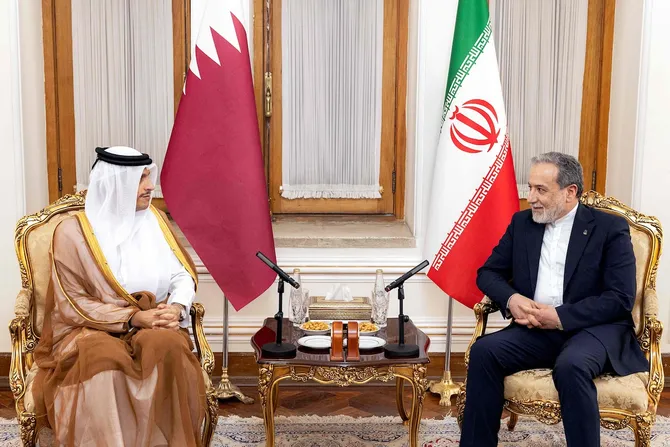
Iran has transmitted a proposal on its nuclear dispute with the United States through Qatar, according to a senior Iranian official cited by Reuters. The official said Washington was reviewing the proposal but declined to disclose its contents. That distinction matters: the existence of a communication is reported, but neither a new agreement nor an accepted framework has been announced. The account emerged on Thursday, 5 November, and was carried into Friday’s international news cycle.
Why Are Seven Conditions Central?
Iranian security official Mohsen Rezaei has said his government will not resume negotiations or reopen the Strait of Hormuz until Washington fulfils seven conditions. According to Arab News, Tehran’s stated demands include the lifting of US sanctions, the release of frozen Iranian assets and war reparations. The complete wording of all seven demands was not made available in the cited account. It would therefore be inaccurate to present them as a mutually accepted negotiating agenda.

What Is Washington’s Position?
The United States has insisted that nuclear questions form part of any initial negotiations, while Iranian officials have placed preconditions on direct engagement. This creates a sequencing dispute before negotiators can examine the substance of a settlement. Al-Monitor carried the Reuters account describing the US review, but there was no public American acceptance of Tehran’s terms in that report. A review is a procedural step, not a concession or proof of diplomatic success.
Why Is Hormuz Part of the Dispute?
The Strait of Hormuz links Gulf producers to major international energy markets, so continued restrictions matter far beyond the two governments. Shipping disruptions may affect insurance, freight rates, fuel supply planning and business confidence. Those consequences depend on actual vessel movements and prices, which should be checked separately rather than assumed. Rezaei specifically connected any reopening to the conditions Iran says Washington must meet, demonstrating how maritime access and diplomatic bargaining have become intertwined.
How Did Relations Reach This Point?
The latest mediation follows the war that began with US and Israeli attacks on Iran on 28 February 2026, and Iran’s subsequent strikes on Israel and Gulf states hosting American bases. Fighting has also involved armed groups in Lebanon and Yemen. The wider setting makes even indirect discussions important, yet an exchange through a mediator does not automatically produce a ceasefire. Statements from each side remain subject to change as the military situation develops.
What Remains Unconfirmed?
No full proposal text, formal timetable, agreed list of concessions or meeting date was disclosed in the available reporting. There is also no confirmed commitment from either government to stop military operations as a result of this communication. Reporters should distinguish statements made by named officials from information supplied anonymously and should avoid treating future possibilities as settled outcomes. Those limits are particularly important in a fast-changing conflict involving several countries.
What Happens Next?
The immediate questions are whether Washington replies to Qatar, whether Tehran modifies its stated preconditions, and whether mediators can establish a sequence of reciprocal steps. Shipping guidance and military statements will also indicate whether the danger around Hormuz is easing or intensifying. A meaningful breakthrough would require publicly verifiable commitments and implementation, not merely further statements that proposals are being considered.
Why Does Verification Matter?
Diplomacy often advances through proposals, intermediaries and public statements that describe different stages of a process. A government may receive an initiative without endorsing it, and negotiations may continue even when officials say formal talks are suspended. Journalists should verify the dates of statements, the identity and authority of speakers, and whether information comes from an official document or an anonymous briefing. For this development, the observable fact is the reported transmission through Qatar. The prospect of agreement remains uncertain, and the consequences for civilians and trade remain significant.
Trivane View
Communication through Qatar keeps a diplomatic channel open at a dangerous moment. The public interest is served by clear reporting on actual concessions, civilian consequences and the status of shipping, not by presenting tentative contacts as a peace agreement.
Related Trivane News
US Strikes Iranian Targets Near Strait of Hormuz as Talks Continue