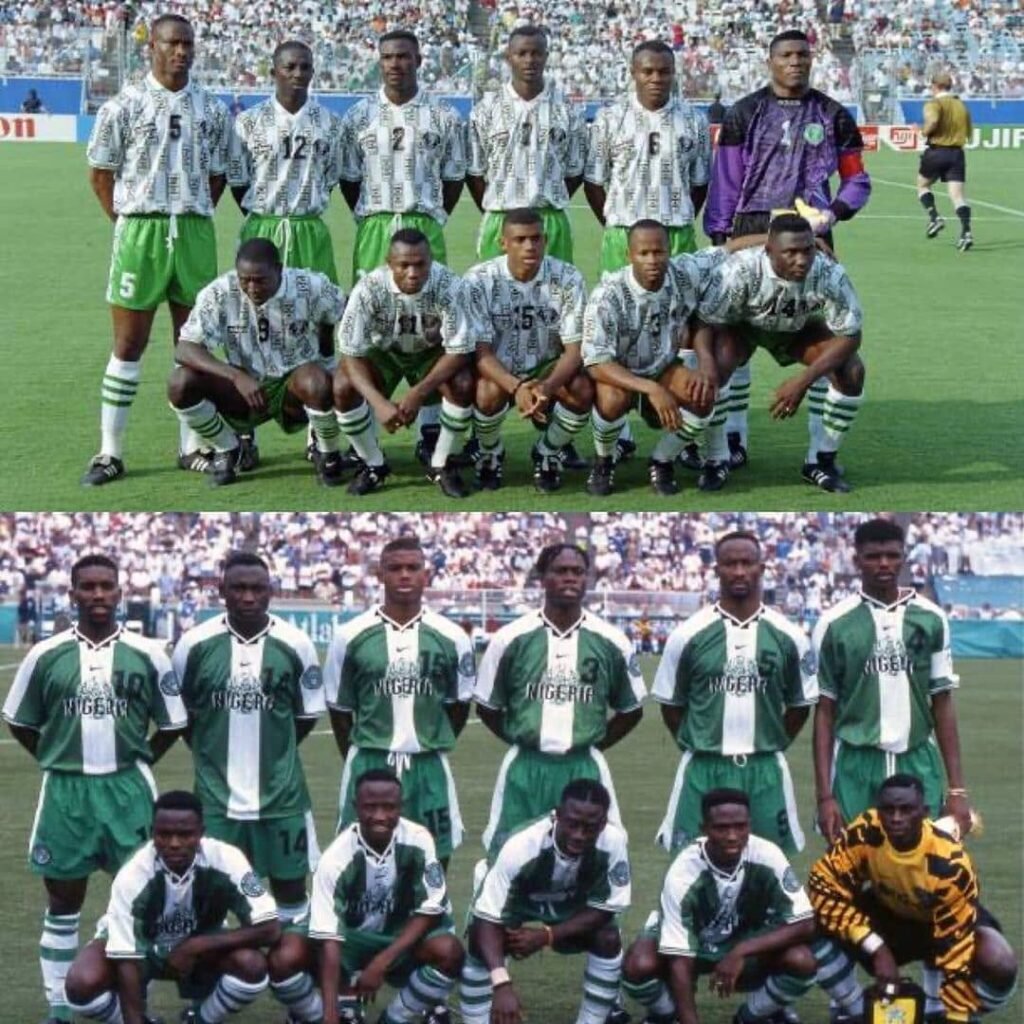
A selection of celebrated Nigerian internationals from the 1994 Africa Cup of Nations-winning side and the 1996 Olympic gold-medal generation is expected to play an African Legends team in Lagos on Sunday, 8 November. The Guardian reported the plans on Friday, 6 November. The match is scheduled for the Mobolaji Johnson Arena in Onikan, with a 5 p.m. kick-off. It is an exhibition and reunion, not a competitive international fixture.
Which Players Are Expected?
Organizers named former Nigerian stars including Daniel Amokachi, Garba Lawal, Ben Iroha, Victor Ikpeba, Austin Eguavoen, Alloy Agu, Mutiu Adepoju and Finidi George. The opposing team is expected to feature former African internationals such as Emmanuel Adebayor, Stephen Appiah, Rigobert Song and Alex Song. These are announced participants, not confirmation that every player has arrived, passed fitness checks or will appear for a particular number of minutes. Final line-ups may change.

Why Do the Two Generations Matter?
Nigeria’s 1994 team won the Africa Cup of Nations in Tunisia and advanced to the Round of 16 in its first FIFA World Cup appearance. The 1996 Olympic side then defeated Brazil and Argentina on its way to gold in Atlanta. Together, those campaigns occupy a major place in the history of Nigerian and African football. The proposed reunion offers younger audiences a chance to connect famous names with the achievements that made them nationally significant.
How Does the Event Fit Into CANEX?
The organizers say the match forms part of the Creative Africa Nexus Weekend, which brings cultural and business activities together in Lagos. Football has a large audience and can function as both entertainment and a platform for partnerships. Earlier Trivane News coverage described the event’s ambitions for investment and creative-sector employment. The football exhibition should therefore be understood as a cultural programme within a wider gathering, not as evidence of a new national-team selection initiative.
Are Young Players Included?
The published programme mentions a mini-camp involving hundreds of young footballers. Interaction with retired stars can provide motivation and informal learning, but the details of coaching sessions and participant selection need confirmation from organizers. An exhibition alone cannot substitute for well-funded grassroots leagues, qualified coaches or reliable talent-development pathways. Its legacy will depend partly on whether access for young athletes continues after the visitors leave Lagos.
What Else Is Scheduled?
Organizers have described a match-day programme featuring music, dance and recognition of the former internationals. The nostalgia surrounding a legends fixture is a draw, yet spectators should check official event channels for final ticketing details, stadium entry rules and timetable adjustments. Those practical details were not fully established in the report reviewed. Individuals planning to attend should distinguish publicity about the programme from confirmed admission arrangements.
What Happens Next?
Players are expected to arrive in Lagos from 6 November ahead of publicity and preparation activities. The next key checks are their arrival, the final team sheets, organizers’ venue notices and any announced grassroots benefits. The event can generate useful attention for Nigerian football history, but its success should be measured in safe delivery, fan experience and tangible youth engagement rather than promotional claims alone.
What Makes the Gathering Historically Significant?
The 1994 continental title and the Atlanta Olympics triumph remain frequent reference points in discussions of Nigeria’s international standing. Retired athletes can offer personal perspectives on teamwork, preparation and the pressures of representing the country. Their participation may also bring attention to athletes’ welfare after retirement, a topic that receives less publicity than historic victories. Organizers have an opportunity to frame the reunion as both a celebration of past achievement and a prompt for practical investment in coaching, facilities and player support.
Trivane View
Honoring past success can also prompt a conversation about future investment. A strong celebration should preserve football history while opening real opportunities for the next generation.
Related Trivane News
Flamingos Beat Brazil 3-1 to Reach First U-17 Women’s World Cup Final