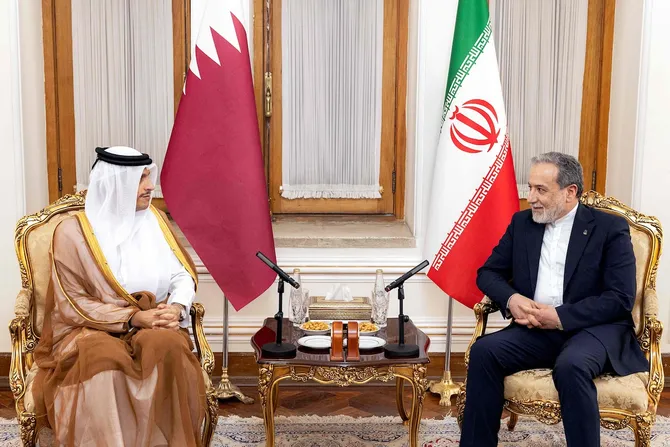
Iranian negotiators have concluded consultations in Doha without reaching an agreement to end the conflict with the United States, although Qatar’s role as a go-between remains active. The latest account emerged on Monday, 2 November 2026, after the Iranian delegation departed on Sunday. The talks were indirect: the parties were not described as conducting a face-to-face US-Iran negotiation. Officials have not announced a ceasefire, a final draft accepted by both governments or a date for the next meeting.
Why Did the Delegation Leave Doha?
According to Reuters , an official familiar with the consultations said the delegates’ departure did not itself indicate a breakdown. A draft was circulating, and additional discussions remained possible. That clarification matters because the end of a round of talks and the collapse of diplomatic efforts are different developments. Qatar’s mediation allows messages to move between governments whose positions remain far apart, but it does not mean that either side has accepted the other’s conditions.
Which Demands Are Holding Up an Agreement?
Iran’s position centers on the sequence of security and economic concessions. Tehran wants an end to the United States’ naval blockade of Iranian ports and relief from measures restricting oil exports before further steps, including reopening the Strait of Hormuz. American officials want nuclear questions addressed in the negotiations. Iran has insisted that the first phase of any arrangement must be implemented and verified before broader nuclear discussions advance. Those competing demands leave considerable uncertainty over what a preliminary understanding would accomplish.
The Associated Press reported that a proposal under discussion would allow the Strait of Hormuz to reopen within two days if Washington met specified Iranian conditions. It also described continued uncertainty over how the US administration would respond. The two-day figure is a proposed implementation timetable, not confirmation that commercial shipping has been fully restored. Any agreement would still need clear verification arrangements and procedures for protecting civilian vessels using one of the world’s important energy routes.

Why Does the Strait of Hormuz Matter Beyond Iran?
Disruption around the strait has affected oil and gas shipments and kept energy traders alert to the possibility of further military escalation. Shipping costs, insurance premiums and delays can affect importing countries far from the Gulf, including nations whose transport and electricity systems depend on imported fuel or equipment. A diplomatic announcement may move market expectations, but energy prices can change again if vessels face attacks or if the parties dispute compliance. The practical test is safe passage, not the announcement of a possible opening date.
What Are Gulf Governments Saying?
The regional concern is not confined to Tehran and Washington. Arab News reported on Monday that the Iranian team had left following several days of consultations and that its departure was not being presented as a negotiating rupture. Gulf governments face the consequences of military threats and commercial disruption even when they are not direct participants in the talks. Qatar’s ability to continue carrying messages therefore remains significant, although mediation alone cannot guarantee a settlement.
What Happens Next?
Attention turns to whether Washington gives a substantive response to the draft, whether Qatar convenes another round of discussions, and whether the parties agree on a verifiable sequence covering the blockade, shipping and nuclear issues. The US midterm elections on 3 November add a political deadline to the immediate news cycle, but there is no basis to conclude that the vote will automatically produce a deal or renewed strikes. Statements from the governments and notices affecting maritime navigation will be more reliable indicators than speculation.
Trivane View
Diplomacy remains preferable to military confrontation, but ongoing talks do not guarantee peace. Clear, verifiable commitments are essential to protecting civilians, regional stability and international trade.
Related Trivane News
Qatar Returns to Tehran as Iran Rejects Peace Plan and US Nuclear Deadlock Persists
Iran Claims Four Tankers Hit Mines in Strait of Hormuz as Shipping Risks Mount
Iran Offers to Reopen Strait of Hormuz if US Eases Military Pressure