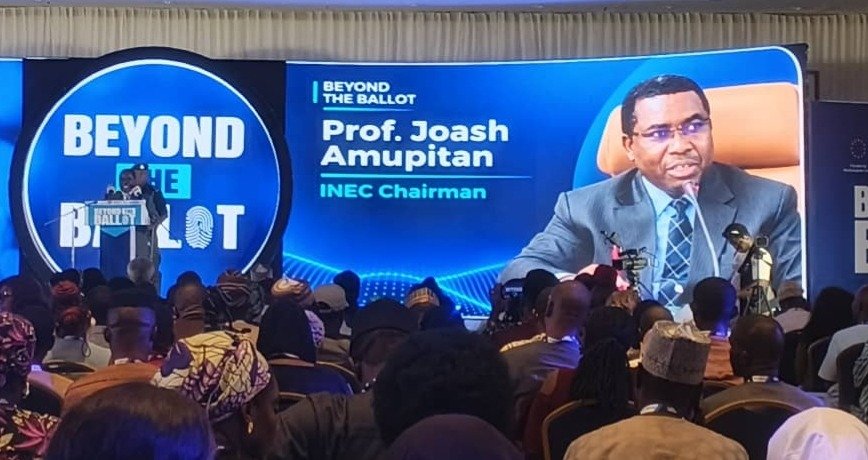
The Independent National Electoral Commission has raised concerns about politicians exploiting young Nigerians for activities that could undermine the 2027 general elections, urging youths to reject violence, intimidation, hate speech, and misleading information.
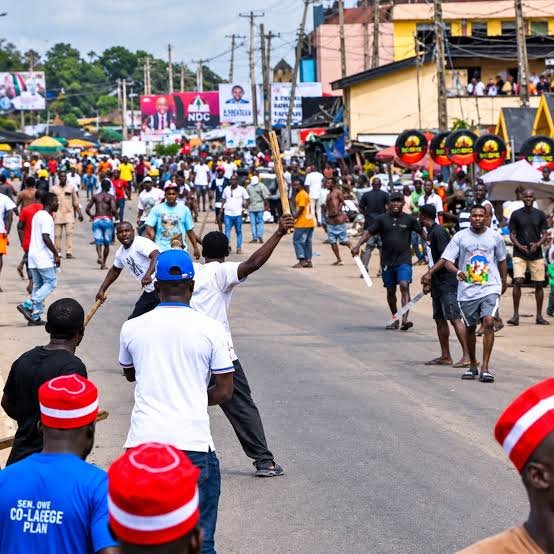
The warning emerged from the commission’s South-South youth-engagement activities and was publicised on Thursday, 19 November. It comes amid recurring concerns about attacks on political gatherings, inflammatory campaign language, and the use of young supporters to confront rival groups.
INEC Calls for Responsible Participation
PUNCH reported that INEC urged young people to resist political manipulation and contribute to peaceful and credible elections. The commission’s message was not an instruction for youths to withdraw from politics. Instead, it encouraged active citizenship through lawful participation, scrutiny of public claims, and rejection of violence.
Young Nigerians make up a substantial share of the country’s population and are important to voter registration, political organising, and election-day monitoring. Their presence in campaigns can support democratic competition, but it also makes the group a target for recruitment into intimidation or disinformation operations.
The distinction between mobilisation and exploitation is central to the commission’s concern. Political engagement is legitimate when individuals can exercise their choices freely; it becomes dangerous when threats, inducements, or false information are used to direct their behaviour.
Warnings Follow Broader Violence Concerns
The latest appeal follows a series of public warnings from legislators and civil society groups about deteriorating political rhetoric ahead of 2027. It does not establish that every party or campaign has engaged in misconduct, and individual allegations require independent investigation.
The Guardian reported earlier this week that political parties had traded accusations over campaign violence, while former President Goodluck Jonathan warned about the danger of rising intolerance. Such disputes highlight the importance of separating verified incidents from partisan claims.
A candidate, party spokesperson, or supporter making an allegation should be expected to provide evidence. Equally, law-enforcement bodies must investigate attacks without assuming that the alleged affiliation of a suspect proves organisational responsibility.

Misinformation Presents Another Risk
Election misinformation can spread rapidly through messaging platforms and short-form video, particularly when photographs or clips are presented without their original dates or locations. Fake election notices, fabricated remarks, and invented results can discourage voters or provoke tension.
INEC’s warning points to the need for timely, accessible official information about registration, polling procedures, and results management. It also places responsibility on media organisations and political actors to verify announcements before sharing them.
The commission cannot address the challenge through appeals alone. Clear complaints channels, transparent corrections, and consistent sanctions for demonstrable breaches would give the warning practical force.
What Parties and Security Agencies Must Do
Political parties have an immediate interest in setting rules for their campaign teams and sanctioning members who encourage threats or violence. Security agencies must protect political events fairly and avoid treating participation in a rival party as a reason for suspicion.
Civic organisations can complement those efforts through voter education and nonpartisan observation. Meanwhile, young voters should have access to straightforward information on documenting threats, reporting intimidation, and checking election-related claims.
The commission’s credibility will ultimately depend on whether it applies electoral rules consistently, communicates decisions clearly, and allows lawful participation without unnecessary barriers.
Schools, universities, and youth organisations can use the months before the election to organise nonpartisan discussions on peaceful campaigning and evidence-based political debate. Such programmes should teach participants how to verify notices against official election channels, preserve evidence of threats, and seek help without exposing themselves to avoidable risks. Importantly, a peaceful election is not one without vigorous disagreement. Citizens must remain free to criticise leaders, question electoral institutions, and demonstrate lawfully. What must be prevented is the conversion of those freedoms into intimidation or physical attacks.
The responsibility also extends to campaign financiers and influential endorsers. The availability of money or political access should never shield anyone who sponsors violence, and accusations should be investigated through fair legal processes rather than social-media verdicts.
Trivane View
Young people should not be expected to carry the burden of peaceful elections while political leaders escape scrutiny. Parties, security institutions, and election officials must demonstrate that calls for restraint are backed by enforceable protections and fair investigations.
Related Trivane News
Senate Urges INEC to Disqualify Candidates Linked to Electoral Violence
Peace Committee Flags 109 Electoral Accord Breaches Ahead of 2027 Polls