Cancer diagnoses in England have reached a record high, with an average of more than 1,000 people diagnosed every day in 2024, according to newly released NHS statistics.
The figures, published on November 5, 2026, recorded 373,574 new cancer diagnoses during the year, an increase of 11,833 from 2023, when 361,741 cases were registered.
The daily average rose from 972 diagnoses in 2023 to 1,021 in 2024, marking the first time the figure exceeded 1,000.
The statistics exclude basal cell carcinoma and cutaneous squamous cell carcinoma of the skin, which are recorded separately because of their high volume and the way they are registered.
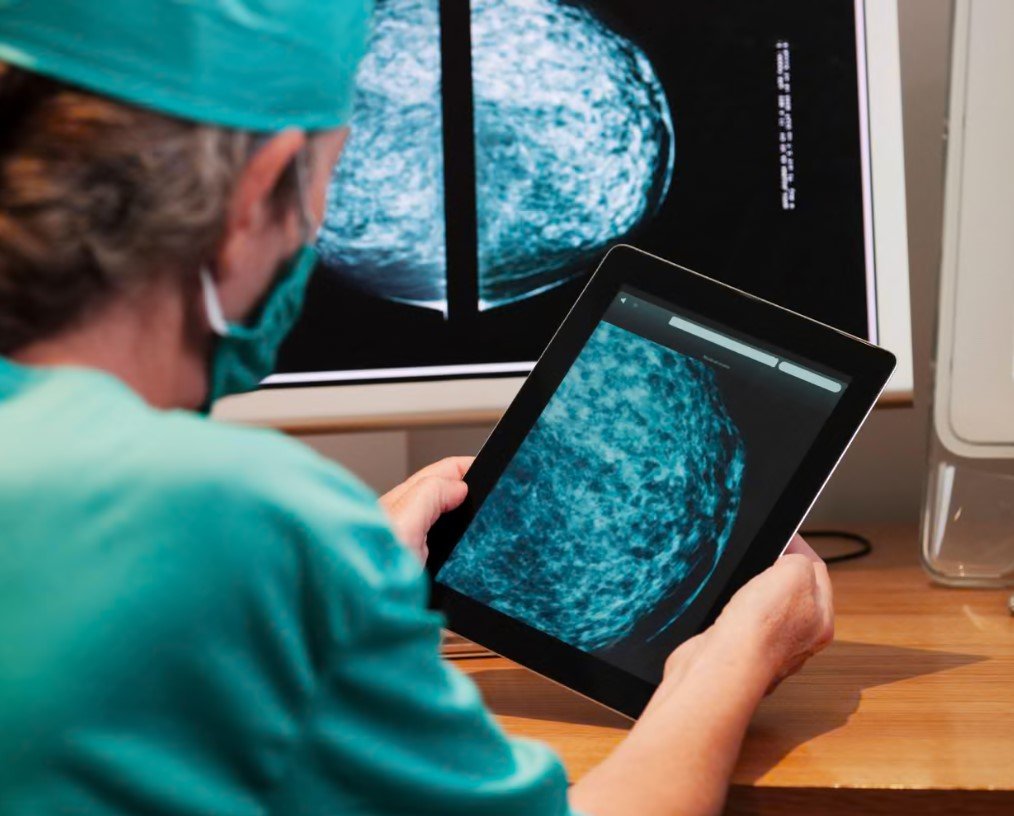
According to “NHS England’s Cancer Registration Statistics“, prostate, breast, lung and bowel cancers accounted for approximately half of the diagnoses included in the figures

More cancers being detected at an earlier stage
The latest data also showed a modest improvement in early detection.
The proportion of first-time cancer diagnoses identified at stages one and two increased from 55.8 per cent in 2023 to 56.7 per cent in 2024.
NHS National Clinical Director for Cancer, Professor Peter Johnson, said the figures demonstrated that the health service was moving in the right direction, highlighting efforts to bring tests and diagnostic checks closer to patients.
The NHS has continued expanding access to diagnostic services to identify cancers earlier, when treatment may be more effective.
Treatment delays remain a concern
Despite the increase in diagnoses and improvement in early detection, cancer charities and medical experts have warned that the health service is still falling short of key waiting-time targets.
The latest figures cited by “The Guardian” showed that 78.6 per cent of patients urgently referred for suspected cancer received a diagnosis or had cancer ruled out within 28 days in August. This was below the NHS target of 80 per cent.
The proportion of patients who began treatment within 62 days of an urgent referral or consultant upgrade stood at 71.9 per cent, also below the 85 per cent target.
Cancer Research UK’s executive director of policy, Dr Ian Walker, warned that too many patients were still being diagnosed at a late stage.
He called for sustained government action, improved accountability and additional specialist staff and equipment to help the NHS strengthen early diagnosis and treatment services.
Experts highlight prevention and health inequalities
Medical experts have also pointed to an ageing population and obesity as factors contributing to the rising number of cancer diagnoses.
They have stressed the importance of prevention, accessible screening programmes and timely medical attention, while charities have warned that inequalities continue to affect people’s likelihood of being diagnosed and their chances of survival.
The NHS has urged people invited for cancer screening to attend their appointments and advised anyone concerned about unusual symptoms to contact their GP.
Although the record number of diagnoses reflects the growing reach of cancer detection services, the figures also underline the pressure on the health system to ensure that patients receive timely care after diagnosis.