The World Health Organization has asked Russia for more information about a laboratory worker’s death from severe pneumonia and media reports concerning a second employee with an illness of undetermined cause.
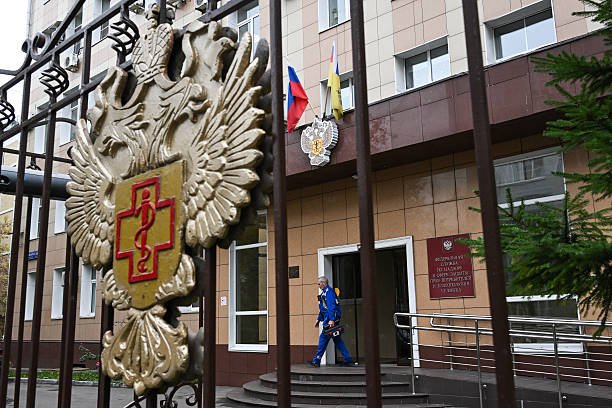
In a public statement, WHO Director-General Tedros Adhanom Ghebreyesus said the worker, employed at the Irkutsk Anti-Plague Research Institute, died on 2 October after being admitted to hospital.
WHO is seeking clarification of the pneumonia’s cause, the pathogen that prompted public health measures, and whether another employee has fallen ill. The request does not confirm a second case.
Russia reports no registered plague cases
Tedros said Russian authorities had informed WHO that no plague case had recently been registered in Irkutsk oblast.
According to the information Russia supplied, officials investigated the incident, introduced preventive measures, and traced, monitored, and tested the deceased worker’s contacts. They reported that no high-threat pathogens had been detected among those contacts and that medical observation had been completed.
WHO has offered technical support and remains in contact with Russian authorities. Tedros stressed the importance of complete and transparent information for assessing potential health risks.
Reports of another death remain unsupported
Reuters’ latest report said it had found no evidence that a second person in Siberia had died, despite claims circulating in some Western media.
That distinction matters: WHO’s request concerns reports of another employee with pneumonia. It does not establish another death or a confirmed plague infection.
In a separate Reuters report published on Wednesday, Kremlin spokesman Dmitry Peskov said Russia had informed WHO in accordance with established procedures.
Peskov disputed aspects of the media coverage and urged people to rely on information from Russia’s health watchdog, Rospotrebnadzor. His comments represent the Russian government’s position.
European health agency monitors the incident
The European Centre for Disease Prevention and Control said on Tuesday that, based on the limited information available, there were no reports of secondary cases and no evidence of sustained transmission between people.
ECDC said it was monitoring developments and communicating with WHO Europe. Its assessment remains dependent on the information available and should be read alongside WHO’s subsequent request for clarification.
The agency explained that pneumonic plague can spread through respiratory droplets, generally requiring close and prolonged contact with someone already showing symptoms. It can be treated with antibiotics. These facts explain the disease being investigated; they do not establish the worker’s diagnosis.
Pneumonia does not identify a single cause
WHO’s information on pneumonia explains that the illness is most commonly caused by viruses or bacteria.
A pneumonia diagnosis therefore does not, by itself, establish plague. Likewise, employment at an institute studying dangerous pathogens does not establish that an infection resulted from a laboratory accident. The circumstances of this death remain under investigation.
Trivane View
The priority is a clear account of the test results, the cause of death, and whether any additional illness has occurred. Transparent reporting would help authorities assess the risk and address public concern.
Until that evidence is available, this should be reported as an investigation into an unexplained illness. Claims of a plague outbreak or laboratory leak go beyond what the reviewed sources establish.