
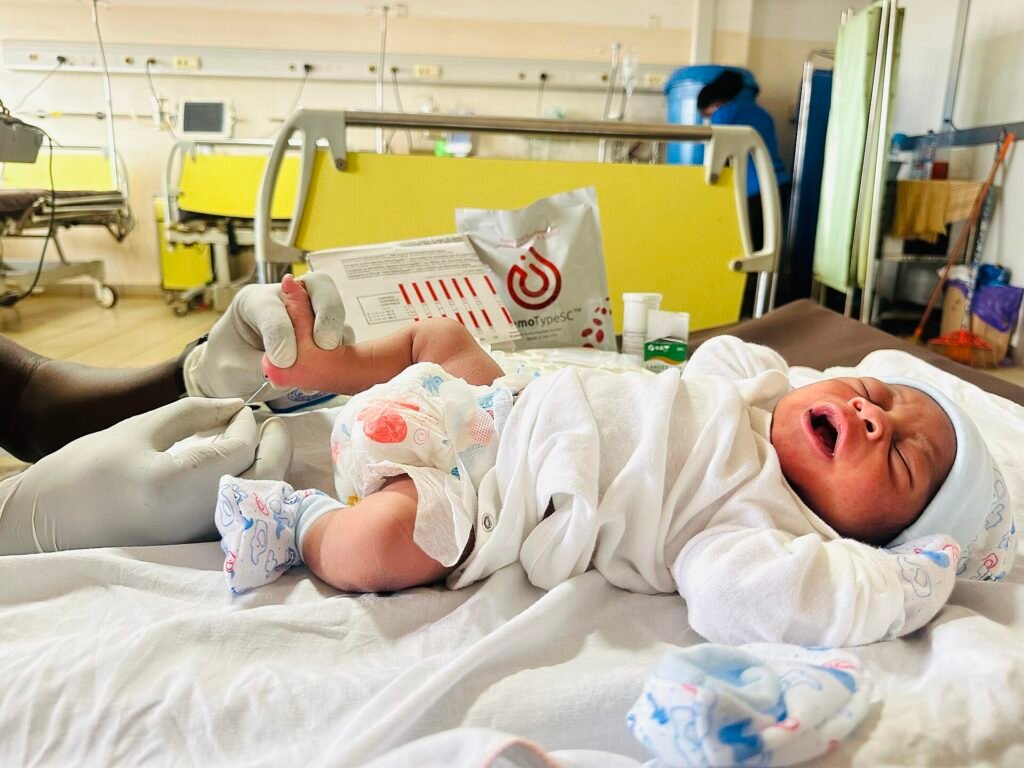
The World Health Organization is pushing for wider access to effective and child-friendly treatment for sickle cell disease, as millions of families continue to face gaps in diagnosis, medicines and long-term care.
The effort is particularly important for Africa. WHO says nearly 80% of sickle cell disease cases occur in sub-Saharan Africa, while the condition contributed to an estimated 81,100 deaths among children under five worldwide in 2021.
Sickle cell disease is an inherited blood disorder that affects haemoglobin, the protein in red blood cells that carries oxygen. Abnormally shaped cells can restrict blood flow, causing severe pain and potentially damaging organs.
Although the disease occurs in several parts of the world, including the Caribbean, Middle East, South Asia and among diaspora communities, its burden remains particularly heavy in Africa.
WHO recommends hydroxyurea for children
At the centre of WHO’s latest effort is hydroxyurea, an established medicine used to reduce serious complications associated with sickle cell disease.
In May, WHO published its first evidence-based guideline specifically covering the diagnosis and management of sickle cell disease in children and adolescents aged up to 19.
The guideline contains 15 recommendations across seven areas of care. These include early diagnosis, preventing infections, managing pain and acute complications, preventing strokes and screening for other complications.
WHO strongly recommends hydroxyurea for children and adolescents with sickle cell anaemia from nine months to 19 years, regardless of the severity of their condition. Treatment decisions, including dosage and monitoring, remain matters for qualified health professionals.
Making treatment easier for younger children
The challenge is not simply having an effective medicine.
WHO says existing formulations can make accurate dosing and administration difficult for younger children. Its work therefore includes efforts to encourage forms of hydroxyurea that are easier for children to take and suitable for health systems with limited resources.
In July, WHO published a target product profile setting out preferred characteristics for paediatric hydroxyurea. It places emphasis on soluble or dispersible tablets that can support flexible, weight-based dosing, while also considering stability, packaging and affordability.
WHO has also issued its first invitation for manufacturers of sickle cell medicines to submit eligible hydroxyurea products for prequalification evaluation.
This is an important distinction. It does not mean WHO has approved and distributed a new medicine. The process creates a route for suitable products submitted by manufacturers to undergo WHO assessment for quality, safety and efficacy.
Africa carries a heavy burden
The treatment drive has particular significance for African health systems.
WHO Africa describes sickle cell disease as a major genetic disease across the region. Access to early diagnosis, regular medical care and appropriate medicines remains uneven, despite improvements in treatment.
That gap can have serious consequences. Sickle cell disease can lead to severe pain, anaemia, infections and damage to organs. WHO says children with severe forms of the condition remain particularly vulnerable in parts of Africa.
The challenge therefore extends beyond supplying tablets.
Health systems also need screening, trained health workers, reliable medicine supplies, infection prevention, monitoring and continuing care. WHO says governments, manufacturers, regulators, researchers, funders, healthcare providers and affected communities will all have roles in turning the new recommendations into better access.
New treatments are also being studied
Treatment for sickle cell disease continues to develop.
WHO says researchers are studying new medicines, biological treatments and potentially transformative technologies, including gene therapies.
However, its immediate work is also focused on making established treatments more accessible, particularly in countries where the burden is highest and healthcare resources are limited.
That makes hydroxyurea an important part of a much wider effort rather than a complete answer on its own.
Trivane View: Access will determine the real impact
WHO’s latest action is significant, especially for Africa, but recommendations alone will not change outcomes.
The bigger test is whether governments and health systems can turn those recommendations into early diagnosis, affordable medicines and consistent care for children.
The fact that sub-Saharan Africa carries nearly 80% of the global sickle cell burden makes access an issue of health inequality as much as medical progress.
A treatment can only save lives when the children who need it can actually receive it.
Source: World Health Organization, 1 September 2026
Facts first. Not frenzy.