Nigeria’s private sector grew for a ninth consecutive month in October 2026, but the pace eased as fuel and other operating expenses increased, according to the latest Stanbic IBTC Bank Purchasing Managers’ Index. The survey’s headline reading fell to 55.7 from 56.4 in September. Both readings are above the 50-point threshold separating expansion from contraction, so the decline signals slower growth rather than an economy-wide reversal. The new survey findings were reported on Monday, 2 November, and refer to business conditions during October.
What Does the Lower PMI Show?
The monthly PMI collects information from businesses to gauge conditions in output, orders, employment and prices. According to The Guardian , new orders rose for the ninth consecutive month and business output for the twenty-third, although both expanded more slowly. This indicates that companies were still receiving work and producing goods and services. It does not establish that every enterprise was growing, nor does a reading of 55.7 mean national output increased by 5.7 percent. PMI scores describe survey direction and relative momentum.
Why Are Businesses Raising Their Prices?
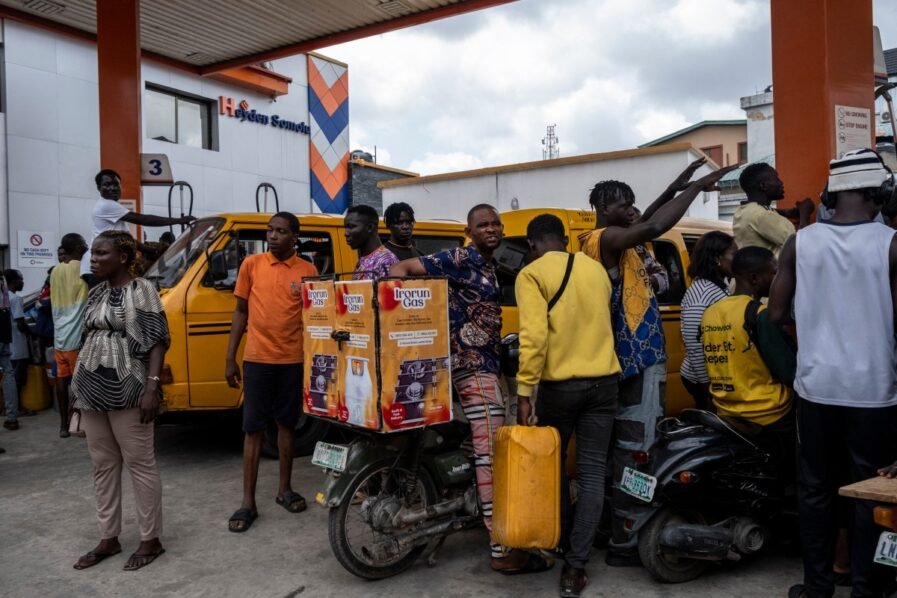
Higher fuel and transport bills continued to affect the cost of moving materials and finished goods. The survey also identified pressure from building materials and food inputs. Some companies responded by increasing the prices charged to customers, while others faced a squeeze between higher expenses and the amounts buyers were willing to pay. These pressures can travel through supply chains: a higher transport charge may first affect a distributor and later appear in food, retail and service prices paid by households.
As Leadership reported, selling-price inflation reached its fastest pace in four months, with more than 29 percent of survey respondents raising charges during October. That share is a survey result, not a claim that every Nigerian company raised prices or that consumer inflation rose by the same percentage. The distinction matters for public interpretation: a PMI price indicator can signal mounting business pressure before it appears in wider consumer-price statistics, but it is not itself the official inflation rate.

What Happened to Jobs and New Orders?
Hiring remained positive overall but slowed to its weakest pace in three months. The survey indicated that agriculture and manufacturing added staff, while employment fell in wholesale and retail trade and in services. Those differences show why an economy can experience expanding business activity without equally strong job creation. Firms may meet incoming demand by using existing employees more intensively, delaying recruitment or limiting costs until they are more confident that higher orders will persist. A rise in business output therefore should not automatically be described as a jobs boom.
How Confident Are Companies About the Months Ahead?
A separate account from Business Journal highlighted continued growth in purchasing activity and new orders, while noting that companies were still responding to higher fuel prices. Optimism about future output remained positive, although it moderated. Purchasing and inventory decisions can indicate firms’ preparations for expected demand, but expectations are not completed sales. For manufacturers and smaller retailers, the ability to secure affordable credit and dependable energy supplies may determine whether new orders translate into sustainable operations.
What Happens Next?
The next monthly PMI will indicate whether the moderation continued into November or whether demand and production regained momentum. Analysts will also examine official inflation figures, fuel-price changes and employment data to see whether survey warnings are reflected elsewhere. Policymakers and lenders can support clearer decisions by distinguishing the recovery in business activity from the affordability of production and the quality of jobs created. Any policy claim that prices have stabilized should be tested against the next releases, not assumed from a single monthly index.
Trivane View
Sustained business growth is encouraging, but rising costs and weak hiring remain concerns. Reducing fuel, logistics and financing pressures is essential to turning economic expansion into meaningful benefits for businesses and consumers.
Related Trivane News
Nigeria’s Petrol Supply Falls Short of Demand Despite Growing Local Refining
Oyedele Rules Out Return to Petrol Subsidy and Multiple Exchange Rates
Nigeria Pivots Toward Private Investment Funding