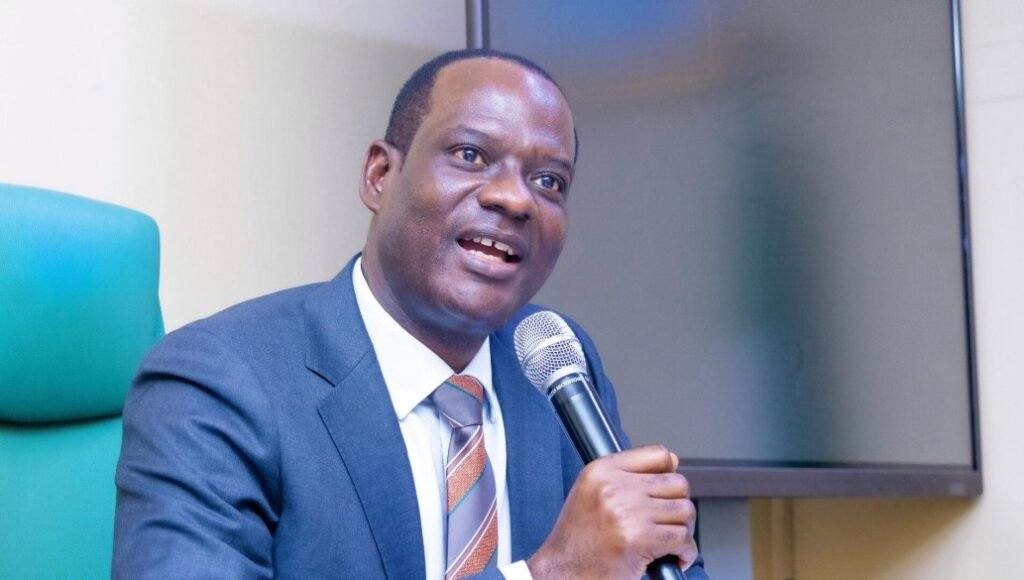
Nigeria’s Minister of Finance and Coordinating Minister of the Economy, Taiwo Oyedele, has reaffirmed that the federal government will not restore petrol subsidies or return to a multiple exchange-rate system.
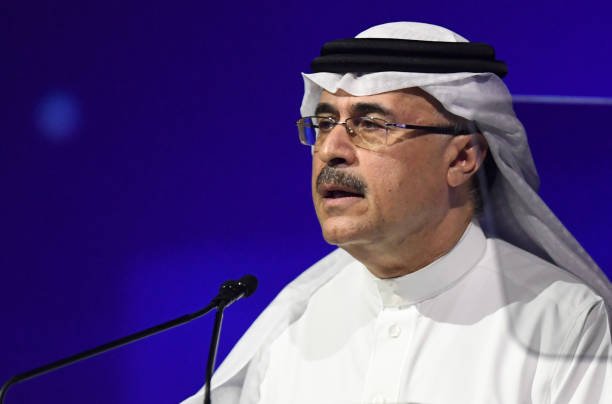
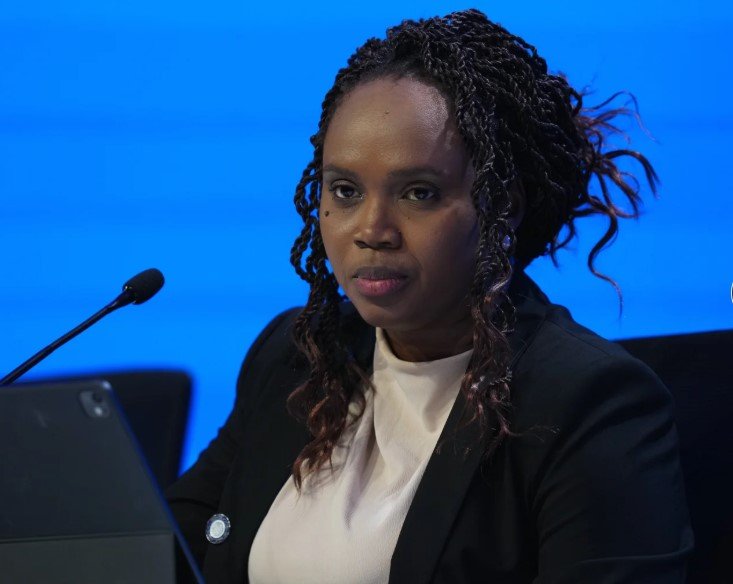
Oyedele made the declaration on Saturday, 17 October 2026, during a press briefing in Bangkok, Thailand, at the conclusion of the International Monetary Fund (IMF) and World Bank annual meetings.
According to TheCable’s report, the minister said investors, credit-rating agencies and international financial institutions had repeatedly questioned whether Nigeria would reverse its economic reforms.
His response was that the government remained committed to the removal of petrol subsidies and the liberalisation of the foreign exchange market.
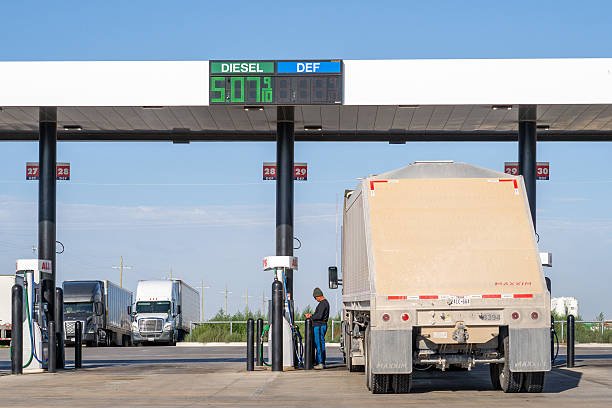
The remarks come as rising fuel costs continue to put pressure on households and businesses ahead of Nigeria’s 2027 general elections.
Government rejects a return to previous policies
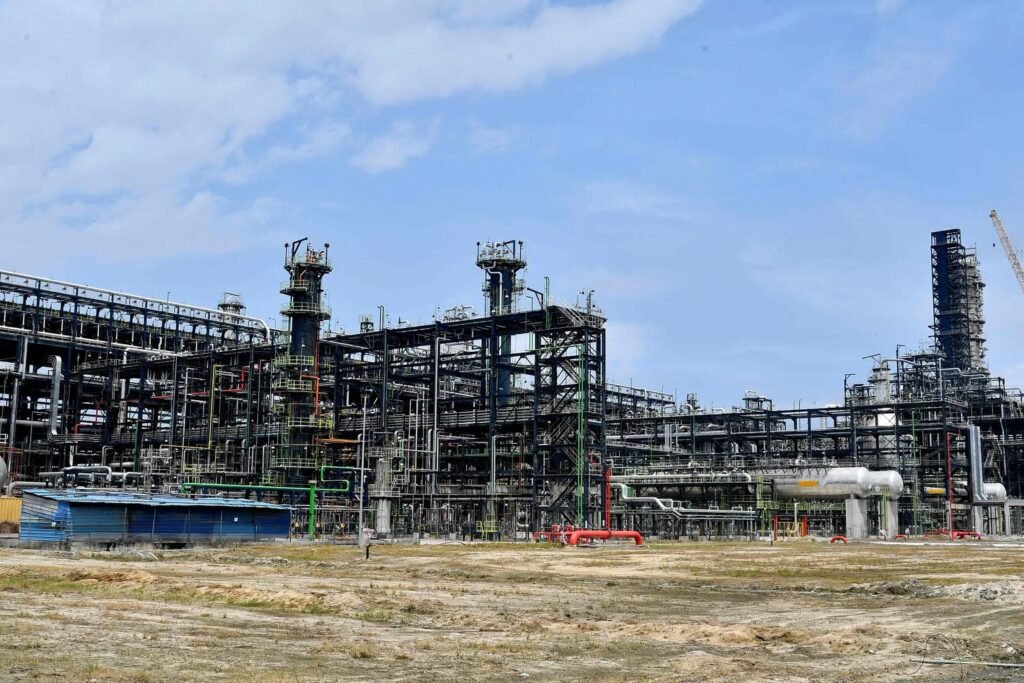
The Tinubu administration removed the longstanding petrol subsidy in May 2023 and introduced changes intended to reduce distortions in Nigeria’s foreign exchange market.
The reforms were presented as measures to improve public finances, attract investment, and allow prices to reflect market conditions more closely.
However, higher fuel and transport costs have increased pressure on households, while businesses have faced rising operating expenses.
During Saturday’s briefing, Oyedele rejected suggestions that the government might restore the previous arrangements in response to those pressures.
As Premium Times reported, he said the government would not return to fuel subsidies or multiple exchange rates.
The declaration reinforces an existing policy position rather than introducing a new subsidy-removal measure or foreign exchange law.
It also signals the administration’s intention to maintain its approach despite renewed political debate over the cost of living.

Why the NNPC petrol discount is different
Oyedele also addressed questions about the temporary petrol discount offered by the Nigerian National Petroleum Company Limited (NNPC Ltd).
The government says NNPC Retail is reducing or giving up its retail profit margin for a limited period to ease the cost of petrol for customers.
Under the arrangement, the company says it is absorbing the reduction commercially rather than receiving payments from the federal budget to compensate for lower pump prices.
The distinction matters because a conventional government-funded fuel subsidy involves public resources being used to cover part of the cost that consumers would otherwise pay.
In its official announcement on 9 October, the Presidency said NNPC Retail had agreed to forgo its petrol retail profit margin to cushion the effects of global energy price increases.
The existing discount has been extended to 31 October, according to earlier reports.
Access to the offer and the amount saved may depend on the participating outlet, the applicable retail price, and the conditions attached to the promotion.
The government’s description of the discount as a commercial measure does not, by itself, establish the financial effect on NNPC’s earnings. That would depend on the volume of qualifying sales, the margin surrendered, and any resulting changes in demand.
Other fuel price measures remain under discussion
The government has also discussed proposals aimed at reducing sharp fluctuations in petrol prices, including a possible ceiling on certain wholesale or supply costs.
Such proposals should be distinguished from the existing NNPC retail discount.
A ceiling on an ex-gantry or landing cost is not necessarily a limit on the final pump price paid by motorists, which may also reflect transport, distribution, and retail expenses.
The financial implications of any proposed price-stabilisation arrangement will depend on the terms eventually agreed and on how any difference between market costs and agreed prices is handled.
No final arrangement should be presented as fully implemented without confirmation.
Economic reforms and household pressures
At the Bangkok meetings, Nigerian officials defended the government’s reform programme and expressed confidence in stronger economic growth.
Those expectations remain forecasts rather than proof that living standards have already improved.
Supporters of subsidy removal argue that reducing broad fuel subsidies can ease pressure on government finances and make more resources available for infrastructure and public services.
Critics point to the immediate burden of higher petrol prices, especially on transport operators, small businesses and lower-income households.
The challenge is particularly significant in a country where fuel costs affect food distribution, commuting, and the operation of generators used by businesses and households.
Questions also remain about the speed and effectiveness of assistance intended to protect vulnerable consumers.
What the announcement means
Oyedele’s remarks provide a clear statement of the administration’s current position: it does not intend to restore the former petrol subsidy regime or multiple official exchange rates.
They do not mean that petrol prices will remain fixed or that the government has ruled out every form of temporary relief.
The NNPC discount is one such measure, although its reach and financial effects require continued scrutiny.
The government’s next challenge is to demonstrate that its economic policies can support investment and public finances while delivering measurable improvements in household purchasing power.
The impact of the reforms will ultimately be judged not only by official growth forecasts but also by changes in transport costs, business expenses, and the everyday prices Nigerians pay.