A reported presentation of seven 2026 Toyota Land Cruiser Prado sport utility vehicles to selected All Progressives Congress youth leaders has prompted demands for disclosure about their financing. BusinessDay reported that APC national youth leader Dayo Israel announced the vehicles for election mobilisation in a social-media post, thanking First Lady Oluremi Tinubu for her support. The report said the post was subsequently deleted. The appearance of expensive vehicles has generated public debate, but a photograph or social-media post does not establish who ultimately paid the invoices.
What Is Atiku Asking the Presidency?
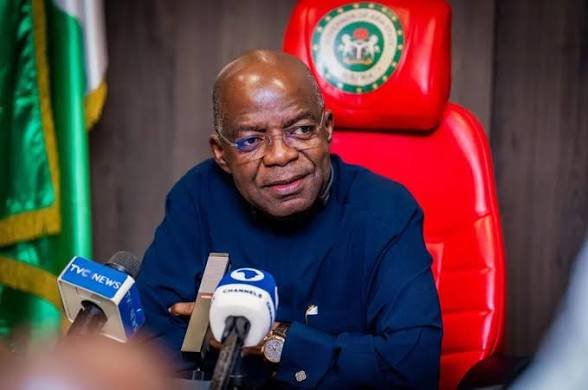
Former vice-president Atiku Abubakar has challenged President Bola Tinubu to explain the reported gifts and identify the source of the funds. According to TheCable, Atiku demanded clarity about who paid, the total cost and whether any public resources were involved. His demand is an opposition politician’s allegation and call for accountability, not evidence that government money financed the purchases. Leadership also reported criticism from opposition figures and others. The distinction is important because questions about expenditure can be legitimate even before any wrongdoing is demonstrated.
What Do We Know About the Vehicles’ Value?
BusinessDay estimated that a new Prado could cost between N120 million and N160 million depending on specification and seller, implying a substantial combined retail value if seven vehicles were purchased at those prices. That is a market-based estimate, not a verified invoice for this particular distribution. Actual prices could differ because of trim, import arrangements, purchase date, taxes or discounts. Responsible reporting should avoid treating a retail estimate as proof of an exact amount spent. Procurement documents, donor declarations, or receipts would be stronger evidence than circulating price calculations.

Does a Political Gift Automatically Break the Law?
No. Political organisations and their supporters may receive lawful contributions, subject to applicable disclosure and campaign-finance rules. The questions are whether the vehicles were donated or purchased, by whom, under what arrangements, and whether any relevant limits or reporting obligations apply. A public official’s name appearing in an appreciation message does not, on its own, establish a transfer of state resources. Equally, describing an item as a private gift does not remove the need to examine relevant legal requirements. An informed assessment requires documents and comment from the party, donors, and any competent regulator.
Why Is the Timing Politically Sensitive?
The gifts were described as supporting mobilisation ahead of the 2027 elections, making their purpose politically significant. Critics have contrasted the reported spending with the financial pressure facing households. That comparison helps explain public reaction, but it cannot substitute for evidence about the source of the funds. A fuller story would ask what criteria were used to select beneficiaries, whether the vehicles remain party property, how they will be accounted for, and whether their use is restricted to authorised political activities.
What Should the APC and Relevant Authorities Explain?
The APC and the individuals named in reports should have a fair opportunity to confirm or correct the account. Useful answers would include the number and specifications of vehicles, the identities or categories of contributors, the approximate transaction value, and the applicable disclosure treatment. Where public funds are alleged, investigators would need to identify the budget line, authorising official, and payment trail. No such proof was established in the sources reviewed for this draft. The absence of a published explanation is not itself proof of illegality.
What Evidence Would Settle the Dispute?
A documentary trail could establish whether each vehicle was bought by the party, donated by an individual, or supplied through another arrangement. Registration records, invoices, and donation disclosures would help answer separate questions about ownership, value, and funding. Journalists should request comment from Dayo Israel, the APC, the First Lady’s office, and relevant oversight bodies before drawing conclusions. The party may have lawful explanations that are not yet reflected in public reporting. Conversely, a denial without supporting records may leave legitimate questions unanswered. The goal should be to establish the transaction, not to amplify viral speculation or presume misconduct.
What Happens Next?
The most useful next development would be a documented statement from the party or contributors addressing the funding trail, alongside any clarification from electoral regulators about disclosure rules. Until then, the story should remain framed as a transparency dispute. Newsrooms should update the report if evidence emerges and correct any figures shown to be inaccurate.
Trivane View
Political spending attracts legitimate scrutiny, particularly when large gifts are publicly linked to election mobilisation. The fairest standard is simple: ask for documents, provide a right of reply, and avoid turning unanswered questions into verdicts. Transparent accounting would help the party rebut unfounded suspicions and allow voters to assess the facts. Public confidence is best served by verifiable records, not insinuation.