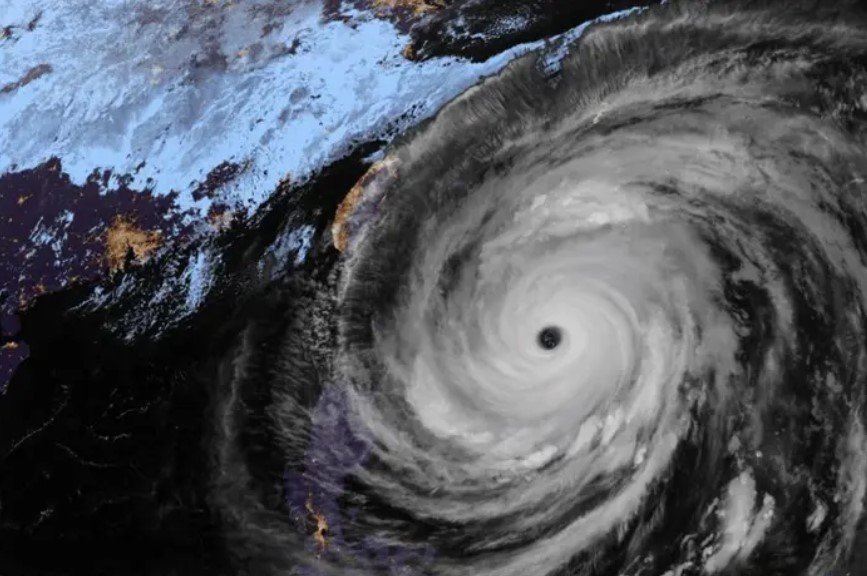
Taiwan issued a land warning for Typhoon Champi on Thursday, October 22, as the powerful storm approached the island’s northeastern coast, prompting airlines to cancel flights and authorities to prepare for hazardous weather.
More than 100 flights were cancelled as the storm approached, with officials warning that its effects could persist for nearly two days. The typhoon was expected to pass near northeastern Taiwan before turning north towards the Chinese coast and eventually moving towards southern Japan.
According to “Reuters reporting published by The Star”, Champi had weakened somewhat after reaching super-typhoon strength but remained powerful, with gusts exceeding 227 kilometres per hour near its centre.

Authorities Prepare for Dangerous Conditions
Taiwan’s Central Weather Administration warned that the storm could bring heavy rain, strong winds and dangerous sea conditions as it moved closer.
Although Champi was expected to weaken gradually, its size meant that its effects could extend beyond the area directly beneath its centre. Authorities continued to monitor its trajectory and warned residents to follow official safety guidance.
The storm’s projected path also raised concerns for maritime transport and coastal communities, where rough seas and strong winds can create risks even when the storm does not make a direct landfall.
Airlines Adjust Schedules
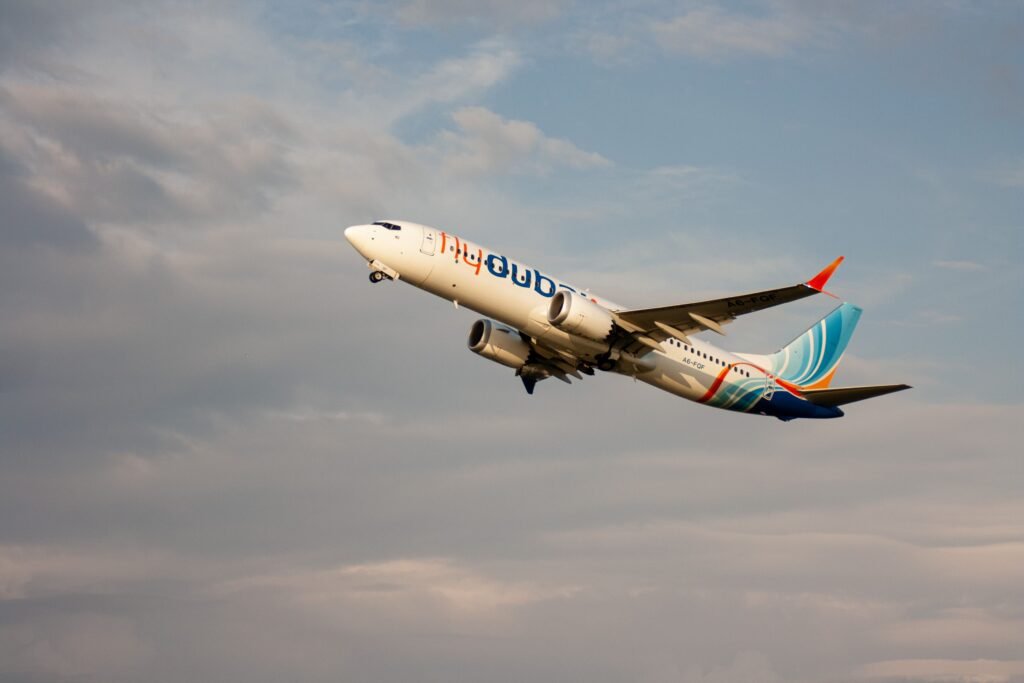
Airlines operating in and around Taiwan began changing schedules in anticipation of the storm.
Singapore Airlines, for example, announced cancellations affecting several flights between Singapore and Taipei scheduled for Friday, October 23. The carrier said passengers would be contacted about their disrupted bookings and advised travellers to check flight status updates because further changes remained possible.
Passengers were urged to confirm their flight arrangements directly with airlines before travelling to airports.
Japan Also Faces Potential Disruption
Forecasts indicated that Champi would turn north after passing Taiwan, with southern Japan among the areas potentially affected later in its path.
The eventual impact will depend on how the storm evolves and whether its track changes. Authorities and airlines in affected areas are expected to continue updating warnings and travel arrangements as new weather information becomes available.
The episode highlights the importance of early warnings and flexible travel plans during the Pacific typhoon season, when a storm can disrupt air travel and coastal activity across multiple territories.