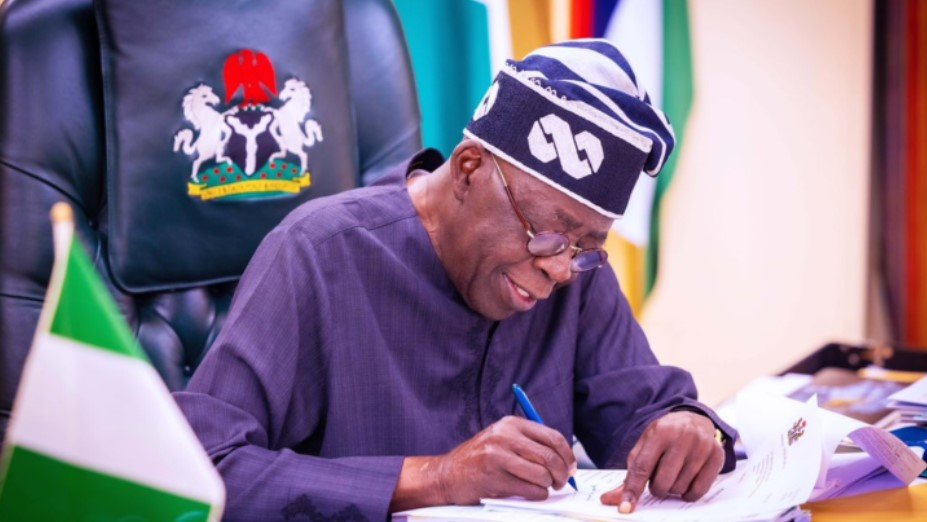
President Bola Tinubu has transmitted three executive bills to the House of Representatives seeking to reform Nigeria’s drug law enforcement system, expand the responsibilities of the Nigerian Safety Investigation Bureau (NSIB) and establish a National School of Government.
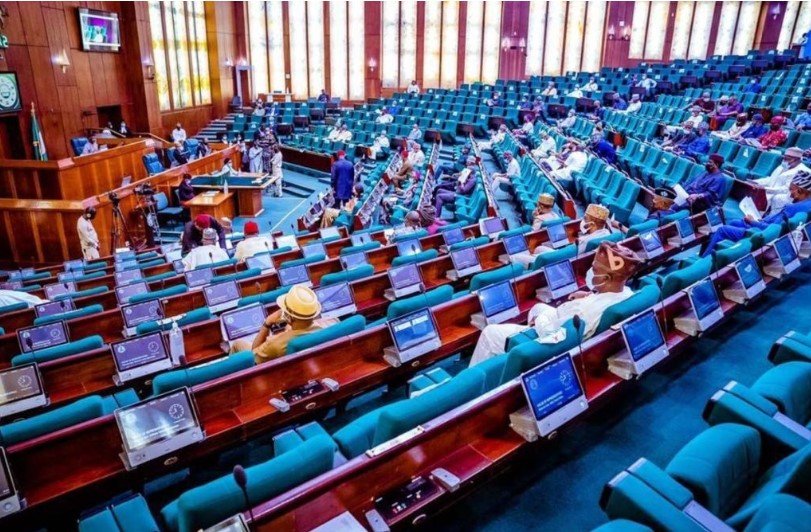
The proposals were presented during plenary on Thursday, 15 October 2026, when Speaker Tajudeen Abbas read three separate letters from the President.
According to Punch, the letters were dated 12 October and received by the Speaker’s office on 13 October.
Tinubu said the bills were forwarded under Section 58(2) of the 1999 Constitution, as amended, and requested their prompt consideration.
NDLEA bill proposes new drug enforcement framework
The National Drug Law Enforcement Agency Bill, 2026, seeks to repeal the existing NDLEA Act and the Indian Hemp Act, replacing them with a consolidated legal framework for combating drug-related offences.
The proposal would bring provisions governing the cultivation, processing, sale, trafficking, and use of illicit drugs under a single law.
It also seeks to strengthen the NDLEA’s authority to investigate people suspected of involvement in drug-related activities.
The agency already carries out drug enforcement operations under existing legislation. The proposed bill would change its legal framework rather than establish the NDLEA for the first time.
If approved, the legislation would provide a revised statutory basis for the agency’s operations.

Transport safety bureau could gain wider powers
The second proposal, the Nigerian Safety Investigation Bureau (Amendment) Bill, 2026, seeks to amend the law establishing the NSIB in 2022.
The amendment would expand the bureau’s investigation responsibilities beyond aviation accidents and incidents to cover rail, maritime, and other forms of transport.
It would also reposition the NSIB as an independent safety investigation authority covering multiple transport sectors.
Another proposed change would transfer supervisory oversight of the bureau directly to the Presidency.
The bill is intended to strengthen the bureau’s institutional, operational, and administrative capacity.
However, these changes remain proposals. The NSIB’s statutory mandate has not been expanded by the transmission of the bill alone.
National School of Government proposed to replace ASCON.
The third bill seeks to repeal the Administrative Staff College of Nigeria Act and establish a National School of Government.
The proposed institution would focus on leadership development, policy delivery, and executive training for public officials.
ASCON currently provides management training, research, and consultancy services to public and private organisations.
Under the proposed legislation, the National School of Government would have a statutory framework designed to support leadership development and improve the implementation of government policies.
The proposal does not mean ASCON has already been abolished or that the new institution has begun operating.
Senate also receives related proposals.
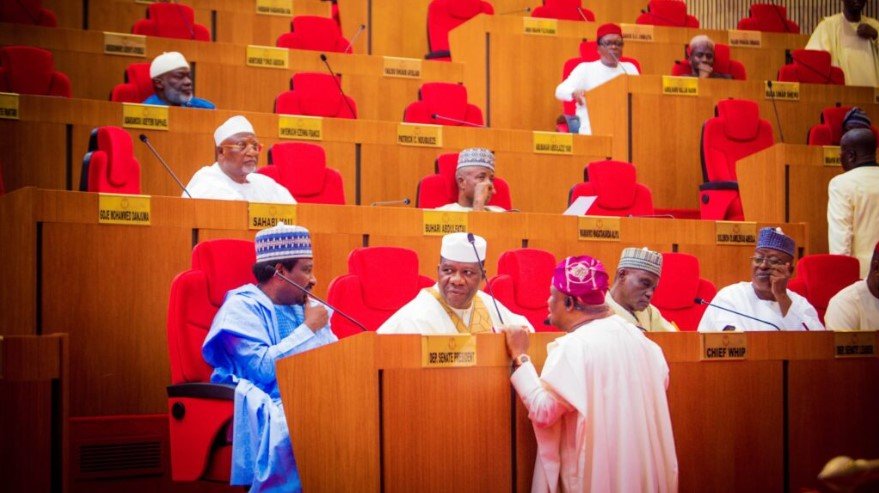
The proposals have also been presented to the Senate as part of the legislative process.
TheCable reported on 15 October that the Senate received the NDLEA and NSIB bills and referred them to its Committee on Rules and Business for further legislative action.
The newspaper had reported separately on 14 October that the National School of Government Bill had been transmitted to the Senate and referred for further processing.
The bills will require consideration by lawmakers in both chambers, agreement on their final provisions, and completion of the constitutional process for enactment.
Proposed reforms await legislative approval.
Tinubu has asked lawmakers to consider the measures promptly, but no final passage or presidential assent has been confirmed.
The proposals cover three different areas of government: combating illicit drugs, investigating transport accidents, and improving leadership training in the public service.
Their eventual impact will depend on the provisions approved by the National Assembly and on how any enacted laws are implemented.
For now, the NDLEA and NSIB continue to operate under their existing legal frameworks, while ASCON remains the established public-sector training institution.