Opposition figures involved in the G100 are considering how their parties could work together if Nigeria’s 2027 presidential election requires a second round, according to people within the group quoted by Saturday Punch.
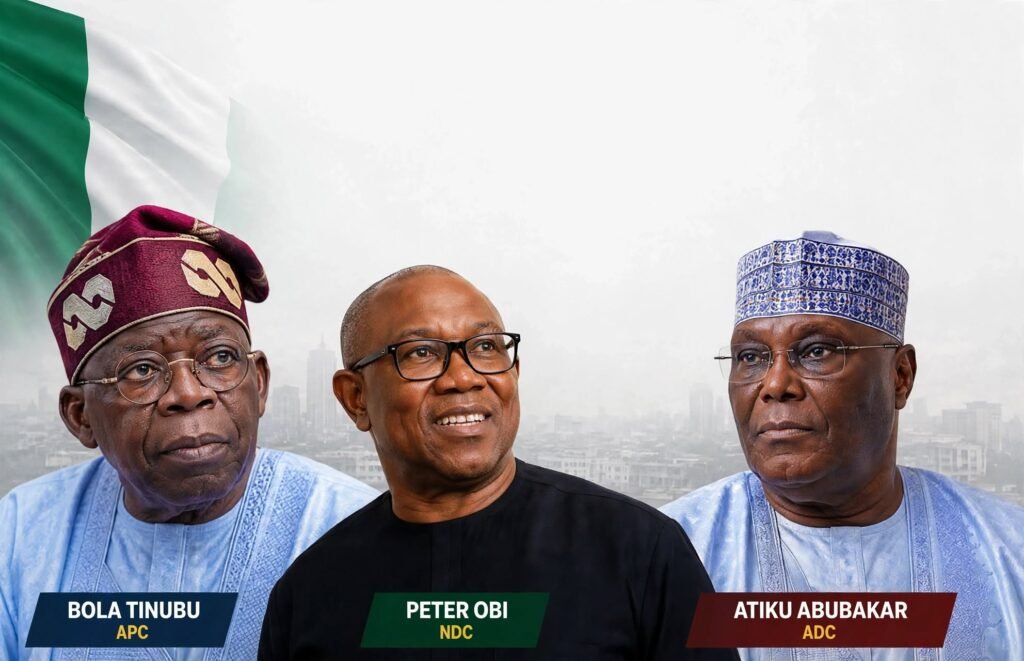
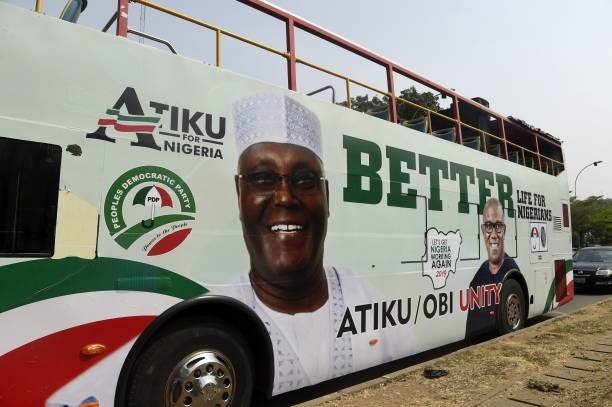
The idea is being discussed as the group continues its push for a single opposition candidate. Former Vice-President Atiku Abubakar and former Anambra State Governor Peter Obi are pursuing separate presidential bids, and neither has agreed publicly to withdraw in favour of the other.
The proposed alternative
The Punch report says G100 sources see cooperation in a possible run-off as an alternative if the parties cannot agree on one candidate before the first vote. In that situation, opposition parties could consider supporting a candidate who qualifies for the second election.
The sources were not named. Their account does not establish that Atiku, Obi, or their parties have accepted the proposal. Punch said it could not obtain a comment from Atiku’s media aide for the report.
The G100 has held talks with opposition figures over a common approach to the election. Punch reported that representatives of the Allied Peoples Movement and a faction of the Peoples Democratic Party said their groups remained involved in the discussions. The APM representative also said the party’s presidential candidate, Seyi Makinde, remained in the race.
Those positions show the difficulty facing the group: parties may be willing to talk while keeping their own candidates on the ballot.
What a run-off would require
A runoff is a constitutional process, not an option that political groups can choose to activate. Section 134 of Nigeria’s Constitution provides for a second election if no candidate meets the requirements to win in the first round. The candidates who proceed are determined under those rules.
The G100 can discuss whom its members might support if that happens. It cannot know now whether a second election will be needed or which candidates would qualify.
For Nigerians weighing the opposition’s plans, including those following the campaign from abroad, the distinction matters. The talks point to a possible route for cooperation, but there is no announced single ticket or agreed run-off alliance. What the parties decide before polling day remains the more immediate test.