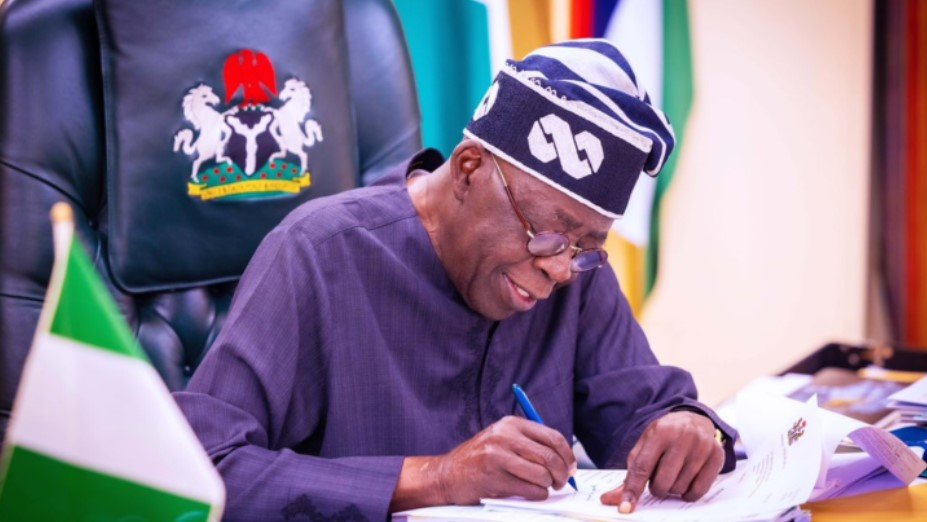
President Bola Tinubu has announced nominations to fill vacancies at the Independent National Electoral Commission (INEC), alongside the reappointment of a serving national commissioner, as Nigeria prepares for its next general elections.
The nominations were announced on Friday, 16 October 2026, in a statement issued by Bayo Onanuga, the President’s Special Adviser on Information and Strategy.
According to the official State House announcement, Tinubu nominated four new national commissioners and two resident electoral commissioners, and reappointed Dr Bala Bila as the national commissioner representing the North-East.
However, the statement identifies only three new national commissioner nominees and two resident electoral commissioner nominees by name. It does not explain the difference between the announced total and the names provided.
The nominees are subject to Senate scrutiny and confirmation before their appointments can be finalised.
Who are the nominees?
Professor Mustapha Aliu has been nominated to replace Professor Abdullahi Zuru as the national commissioner representing the North-West.
Bashir Muhammed Umar is proposed as the North-Central representative, replacing Professor Muhammad Adamu.
Mrs Oluwatoyin Babalola, currently the resident electoral commissioner in Osun State, has been nominated as the new South-West national commissioner.
She is expected to succeed Professor Cornelius Ajayi, whose tenure expires on 24 October 2026.
The Presidency also announced the reappointment of Dr Bala Bila, who represents the North-East.
For the resident electoral commissioner positions, Tinubu nominated retired permanent secretary Dr Samuel Akinjide Akinleye to serve in Ekiti State.
The second nominee is Zahradden Basiru Sanusi, from Jigawa State, who is proposed to replace Professor Saidu Ahmed Babura.
The TheCable report on the nominations also identifies the same individuals.
Although the Presidency described the appointments as involving six new nominees, its published statement does not name a fourth new national commissioner. Further clarification is needed to establish the complete list.
Senate confirmation remains outstanding.
The President has urged the Senate to consider the nominations promptly.
Under the appointment process, the Senate must scrutinise the nominees before deciding whether to confirm them.
The announcement therefore does not mean the individuals have already assumed their proposed positions.
National commissioners participate in INEC’s broader leadership and electoral oversight, while resident electoral commissioners perform important administrative responsibilities at state level.
Filling vacancies can help the commission maintain continuity as it prepares for future elections.
However, the appointment of commissioners alone does not determine whether an election will be credible. That also depends on the commission’s decisions, procedures, and performance.

Why the appointments matter
INEC is responsible for organising and supervising Nigeria’s federal and state elections within its constitutional and statutory mandate.
Its work includes voter registration, electoral logistics, political party and candidate administration, and the management of election results.
Changes in the commission’s leadership are therefore significant, particularly as preparations continue for the next general elections.
The appointments also come at a time when public attention remains focused on the independence, transparency, and effectiveness of Nigeria’s electoral institutions.
According to a PUNCH report published on 17 October, the Presidency wants the vacancies filled without delay.
The official statement refers to the forthcoming elections as the reason for seeking an expedited confirmation process. It does not announce a Senate screening date.
What happens next?
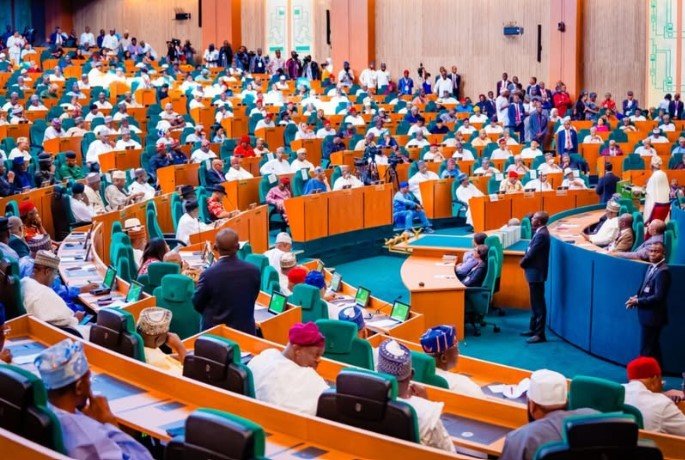
The Senate must now consider the nominations and determine whether the candidates meet the requirements for their proposed positions.
The Presidency also needs to clarify the discrepancy between the number of new national commissioners announced and the names listed in its statement.
Until the Senate completes its work, the nominations remain proposals rather than confirmed appointments.
The outcome will determine which nominees join INEC’s leadership and state-level administration as preparations for the next electoral cycle continue.