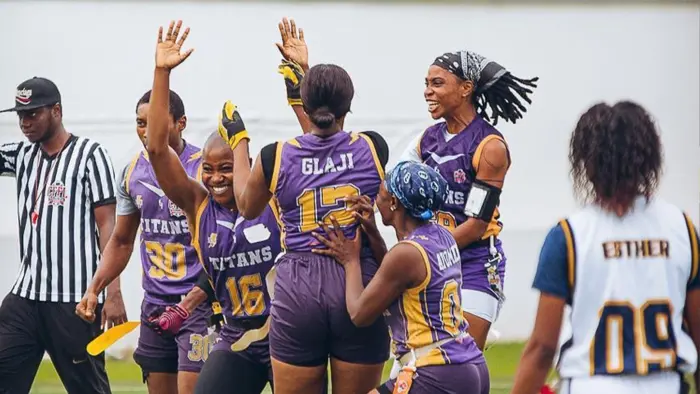
Accordong to The Guardian, President Bola Tinubu has approved rewards valued at ₦100 million for each player in Nigeria’s victorious Under-17 women’s national football team, the Flamingos. First Lady Oluremi Tinubu announced the package at a State House reception in Abuja on Wednesday, representing the president. The rewards are to be issued as savings certificates rather than handed directly to the teenage footballers as unrestricted cash. The head coach is to receive ₦100 million, and members of the technical crew ₦50 million each. This distinction matters because a promised financial instrument has different access rules from an immediate bank transfer. The announcement follows Nigeria’s historic tournament victory in Morocco.
Why Are the Awards in Savings Certificates?
The government says it wants to protect the players’ financial interests while they are still young. Many members of the squad are minors, and the certificate arrangement is intended to preserve their awards until they are older. Details such as the instrument’s maturity date, interest structure, legal ownership, and access arrangements will be important to confirm when formal documentation is made available. A certificate with a nominal value of ₦100 million should not automatically be described as an equivalent amount already accessible for spending. There is also a difference between announcing an award, allocating funds for it, and verifying that the beneficiaries have received properly documented entitlements.

How Did the Flamingos Make History?
According to Channels Television, Nigeria defeated Japan 2–1 in the final on 7 November to become the first African nation to win the FIFA U-17 Women’s World Cup. The victory capped a recovery after the Flamingos lost their opening group match. They subsequently advanced through difficult opposition, including Brazil in the semi-final, and arrived in the final with growing confidence. Awawu Bashiru and Oluebube Umejiaku scored in the decisive contest. The title has elevated the visibility of Nigeria’s youth women’s programme and created a rare opportunity to turn a tournament victory into sustained support for young female footballers, rather than a single celebratory moment.
Who Else Has Been Recognised?
The president’s package extends beyond the players to the coaching and technical teams who prepared the squad for the competition. Their inclusion recognises that success depends on training, scouting, medical care, logistics and player development as much as performances in the final. The announcement should nevertheless be reported with precision: the head coach’s award and technical staff payments are not all being distributed under the same arrangements as the players’ savings certificates. The reception also created an opportunity for officials to congratulate the team publicly and to reflect on the investment needed for younger athletes to progress into senior international football.
What Questions Remain About the Funding?
According to Premium Times, The government has identified the size and general form of the prizes, but journalists and families should look for documented terms before making claims about yields or redemption. It is particularly important to avoid speculative calculations suggesting that every award will double, triple, or generate any fixed income without verified investment conditions. Beneficiaries need clear information about who holds the certificates, how account records will be maintained, and what happens when players reach the permitted access age. Transparency around disbursement can protect the players while helping the public distinguish official promises from completed payments. These safeguards are as significant as the announced headline amount.
Can the Victory Strengthen Women’s Football?
The most lasting test will be what follows the presidential reception. Young champions need consistent domestic competitions, qualified coaches, health services, secure training environments, and pathways into professional clubs and the senior national team. Financial rewards may offer individual protection and motivation, but they do not by themselves improve the structures that helped produce the winners. State associations and football administrators can use the increased attention to identify girls who lack access to facilities or organised leagues. The momentum from Morocco could therefore become a basis for broader sporting opportunity if institutions turn the celebration into practical programmes and report their results. Clubs, schools, and regional football bodies can also use the success to examine whether promising young players receive support when they are not selected for national squads. Talent identification without appropriate education, safeguarding, and regular fixtures can leave many girls behind. The achievements of the champions should not obscure those wider development needs. Public reporting of how reward certificates are issued would provide another useful example of accountability. Officials can celebrate the trophy while setting clear goals for facilities, coaching qualifications, and continuity between youth and senior competitions. The real legacy will become clearer over several seasons rather than at one reception.
Related Trivane News
Flamingos Face Japan in Historic U-17 Women’s World Cup Final
Flamingos Beat Brazil 3-1 to Reach First U-17 Women’s World Cup Final