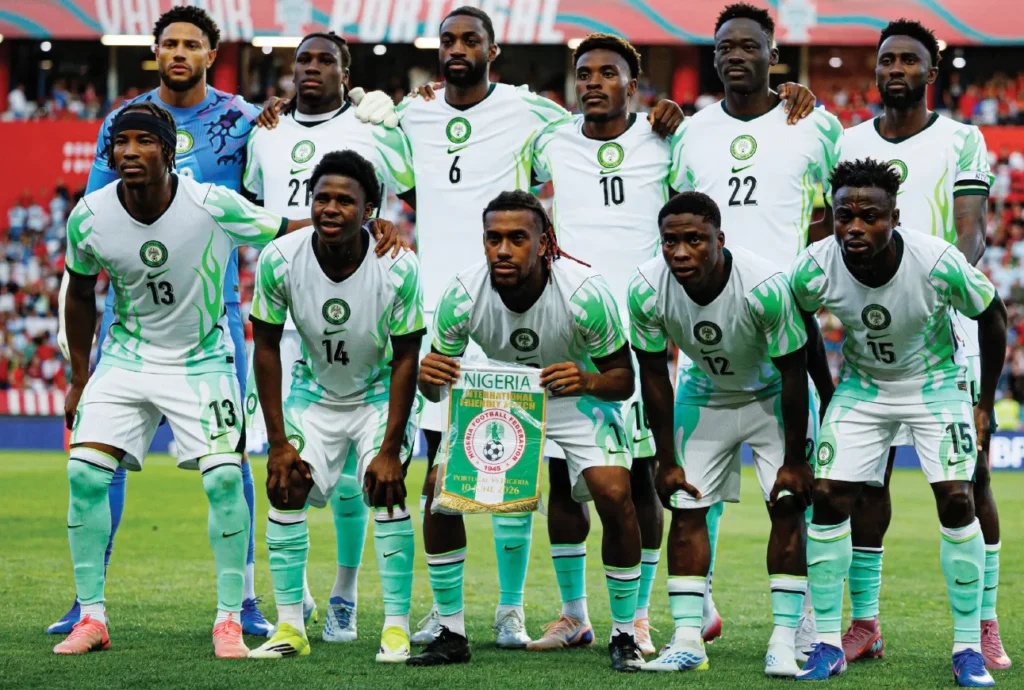
Nigeria’s Flamingos will face Japan on Saturday, 7 November 2026, in the final of the FIFA U-17 Women’s World Cup in Rabat, Morocco. Kickoff is scheduled for 7:30 p.m. Nigerian time at the Mohammed VI Football Complex. According to PUNCH, Nigeria can become the first African team to win the competition, while Japan is seeking their second title after their 2014 success.
The match has not started at the time of this afternoon handover, so neither side can yet be described as champion. This is a final preview that should be updated after full time if the newsroom later publishes a result. A historic appearance is already certain for Nigeria; a title would be a separate and still undecided achievement.
How Did Nigeria Reach the Final?
The Flamingos began their tournament with a 2–1 defeat to Poland but recovered to win five consecutive matches and advance to the final. Their route included victories over Puerto Rico, defending champions North Korea, Mexico, Venezuela and Brazil. The recovery is notable because an opening loss can put immediate pressure on a team in a compact youth tournament.
Nigeria beat Brazil 3–1 in the semi-final, with Queen Joseph scoring the opener and Awawu Bashiru adding two more before a late consolation. That performance combined effective finishing with a willingness to press ahead after taking the lead. Yet the Brazilian match cannot by itself predict how Nigeria will cope with Japan’s different style or the pressure of a final.

What Makes Japan Dangerous?
Premium Times highlighted Japan’s technical passing, coordinated movement and ability to build attacks through combinations. Japan have previously played three U-17 Women’s World Cup finals, winning in 2014 and finishing runners-up in 2010 and 2016. That experience belongs to the country’s programme rather than necessarily to the individual players in this year’s squad.
The Japanese side eliminated North Korea in their semi-final, ending the defending champions’ bid to retain the trophy. Their compact structure and quick transitions may test Nigeria’s defensive organization. If the Flamingos commit too many players forward, the space behind them could become a concern. Conversely, Nigerian pressure and direct attacking play could challenge Japan’s build-up.
Which Players Could Make the Difference?
Bashiru’s two goals against Brazil strengthened the case for her attacking influence, while Joseph showed the value of an early breakthrough. Oluebube Umejiaku and other supporting attackers have also contributed to the team’s movement and chance creation. At this age level, however, the collective organization matters more than expecting a single teenager to settle the entire contest.
Nigeria will need composure in possession, disciplined defensive positioning and concentration at set pieces. Extra time or penalties could become relevant if the game remains level under the tournament rules. The coaching staff must also manage fatigue after successive knockout matches, while ensuring players remain focused on the match rather than the occasion.
What Have African Football Officials Said?
CAF congratulated the Flamingos on becoming the first African side to reach the competition’s final. President Patrice Motsepe announced plans to attend the decider in Morocco, reflecting the significance of the achievement for the continent. The support adds symbolic weight but does not alter the competitive challenge on the pitch.
African teams have previously reached the podium: Ghana finished third in 2012 and Nigeria did so in 2022. A win would therefore represent a new high point rather than simply an improvement in Nigeria’s own record. The final also offers visibility for young African footballers and the training environments that helped produce them.
What Happens After the Match?
The result will determine whether Nigeria leave Morocco as champions or runners-up, both of which would be the country’s best-ever finish at this level. Supporters should follow official match communications for any change to venue or kickoff arrangements. A subsequent news article should verify the final score, scorers, disciplinary incidents and any award announcements rather than relying on social-media clips.
Beyond the trophy, the campaign can help maintain public interest in girls’ football. Sustainable benefits would require coaching pathways, competitive opportunities, education and appropriate welfare support for players transitioning from youth to senior levels. Whatever happens against Japan, reaching the final is already a major achievement that deserves precise reporting.
Related Trivane News
Flamingos Beat Brazil 3-1 to Reach First U-17 Women’s World Cup Final
Flamingos Reach U-17 World Cup Semi-Finals After Late Venezuela Penalty