A South African anti-immigration group has given undocumented migrants until 30 September to leave the country, raising fresh concerns about intimidation and violence against foreign nationals.
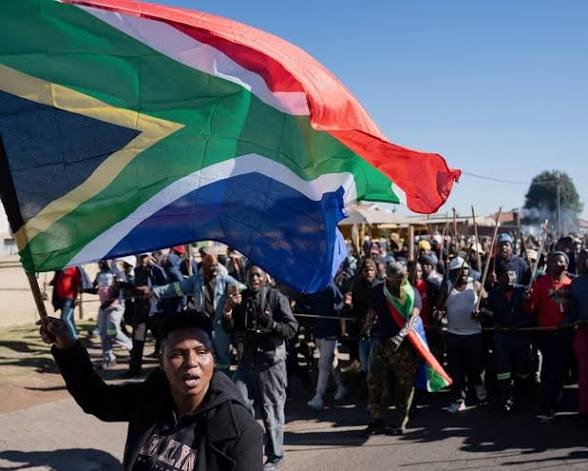
The March and March movement announced the deadline during a demonstration in Durban and threatened to organise larger protests if its demands were not addressed.
The group is calling on the South African government to strengthen border controls, deport people without legal immigration status and give citizens priority in employment and public services.
Deadline has no legal authority
The 30 September deadline was issued by protesters, not the South African government. It therefore carries no legal force.
Decisions about a person’s immigration status, detention or removal must be handled by the Department of Home Affairs and other authorised state institutions under South African law.
Private individuals and campaign groups do not have the authority to inspect immigration documents, remove people from their homes or workplaces, or force anyone to leave the country.
President Cyril Ramaphosa’s government has previously warned citizens against taking immigration enforcement into their own hands. It has also condemned attacks and intimidation directed at foreign nationals.
Group renews earlier campaign
March and March has become one of the most visible organisations behind South Africa’s recent anti-immigration demonstrations.
The movement previously issued an unofficial deadline for undocumented migrants to leave by 30 June. Thousands of people subsequently joined demonstrations in several cities, including Johannesburg and Durban.
Although organisers described the marches as peaceful, some demonstrations were affected by violence, looting and confrontations with the police. Foreign-owned businesses closed, while some migrants stayed indoors or sought help from their countries’ diplomatic missions.
Protesters were also reported to have carried out door-to-door searches in some communities, attempting to identify and remove people they believed were living in the country unlawfully.
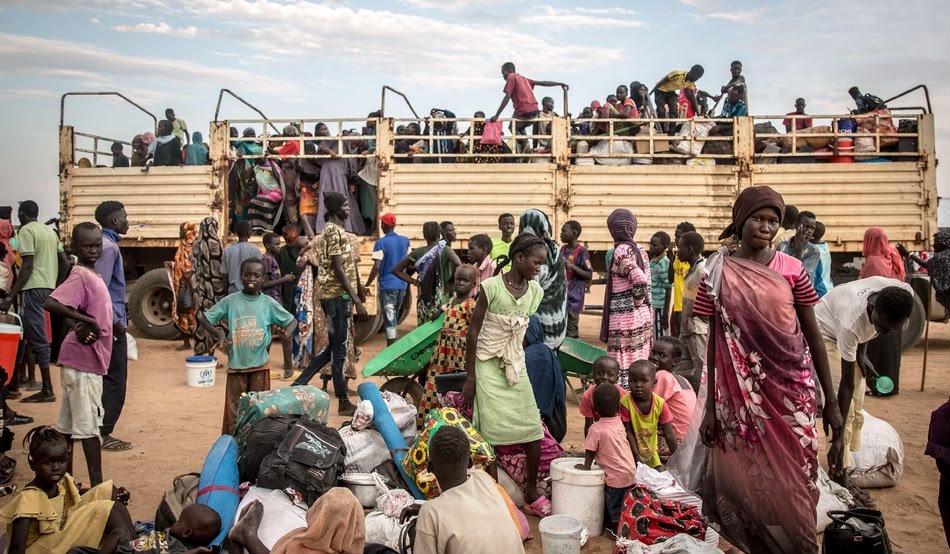
However, documented migrants and refugees have also reported being threatened, displaced or prevented from accessing employment and public services.
Economic pressures fuel tensions
Supporters of the anti-immigration movement blame undocumented migrants for crime, unemployment and pressure on schools, hospitals and housing.
South Africa has one of the highest unemployment rates in the world, with deep inequality and weak public services affecting many communities.
Researchers and civil society organisations have repeatedly warned that migrants are being blamed for broader economic and governance problems that cannot be attributed to immigration alone.
Official estimates indicate that immigrants account for about four per cent of South Africa’s population. The number of undocumented migrants is uncertain because their legal status is not fully captured in population records.
Nigeria raises concerns over attacks
The renewed ultimatum comes amid growing diplomatic concern about the treatment of African migrants in South Africa.
Nigeria’s National Assembly announced on 11 September that it was suspending official legislative visits to South Africa and participation in events organised by South African institutions.
The decision does not prevent Nigerian government officials from attending diplomatic or governmental meetings. Lawmakers said it was intended to express concern about the safety and treatment of Nigerians living and working in South Africa.
South African officials have maintained that the government opposes xenophobia while recognising the need to enforce immigration laws.
The 30 September deadline does not change the legal position of documented or undocumented migrants. Any immigration action must still be undertaken by the appropriate authorities and follow South African law.