Russia has released Stephen Hubbard, a 74-year-old American former schoolteacher who had been held in Russian custody since 2022, in a development that coincided with renewed diplomatic efforts to end the war in Ukraine.
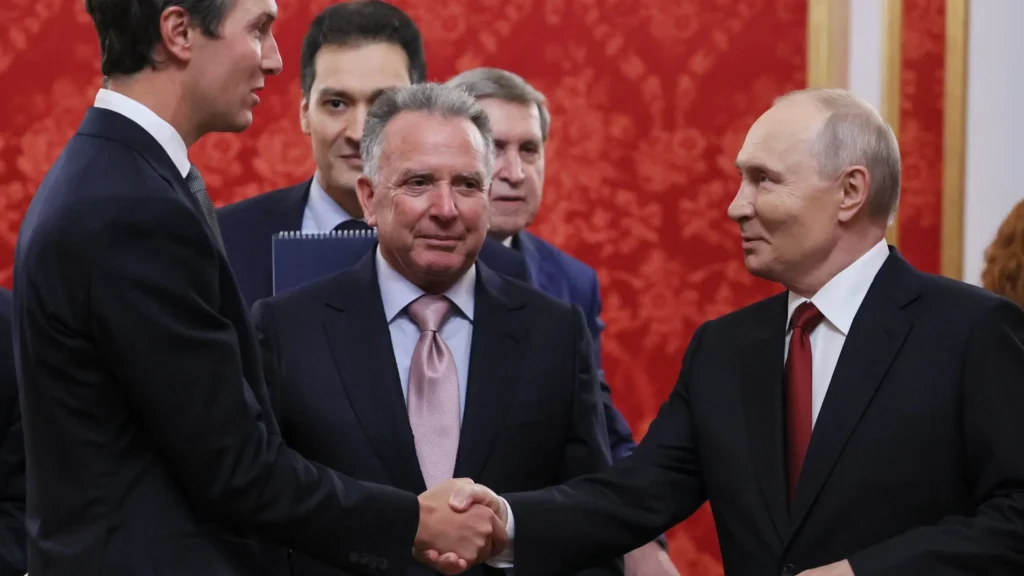
Russian President Vladimir Putin announced Hubbard’s release during a meeting with US envoy Steve Witkoff in St Petersburg on Wednesday, October 21. Hubbard was subsequently taken to the city’s Pulkovo airport ahead of his return to the United States, according to a Reuters’ report on the release”
Hubbard, a retired teacher from Michigan, had been serving a prison sentence of nearly seven years after a Russian court convicted him of mercenary activity. He was arrested in April 2022 in the Ukrainian city of Izyum.
Russian authorities alleged that he had fought for Ukraine. However, his US-based lawyer previously told Reuters that Hubbard denied being part of a combat or military unit and disputed the allegations against him.

Trump says no prisoner exchange was required
The release followed a request Trump said he had made directly to Putin. The US president subsequently described the decision as a diplomatic success, saying Russia had not required a prisoner exchange in return.
The circumstances distinguish Hubbard’s release from prisoner exchanges that have previously secured the freedom of Americans detained in Russia.
However, the release does not by itself establish that Washington and Moscow have reached a broader agreement over the war. Neither side announced a peace deal as part of the development.
Talks continue, but major disagreements remain
Witkoff travelled to Russia after meeting Ukrainian President Volodymyr Zelenskyy and European leaders in Oslo. His discussions with Putin formed part of Washington’s renewed attempt to advance negotiations.
In its “report on the meeting and Hubbard’s release“, The Guardian noted that the diplomatic engagement had produced no clear indication of an imminent breakthrough.
Russia and Ukraine remain divided over the terms for ending the conflict, including territorial control and the future security arrangements for Ukraine. Kyiv has continued to call for an end to attacks, while Moscow has maintained demands that Ukraine considers unacceptable.
The release of one detainee is therefore a concrete outcome of the latest engagement, but it should not be confused with progress on the central questions driving the war.
What the release means for diplomacy
Hubbard’s freedom offers a significant development for his family and provides Washington with a tangible result from its engagement with Moscow. It may also create an opportunity for further discussion between the two governments.
Still, the wider diplomatic picture remains uncertain. The next test will be whether the renewed talks lead to substantive negotiations involving Russia and Ukraine, rather than isolated agreements or goodwill gestures.