The International Monetary Fund (IMF) has upgraded its economic growth forecast for sub-Saharan Africa, pointing to resilience across the region despite continuing pressure from rising prices, borrowing costs, and declining development assistance.
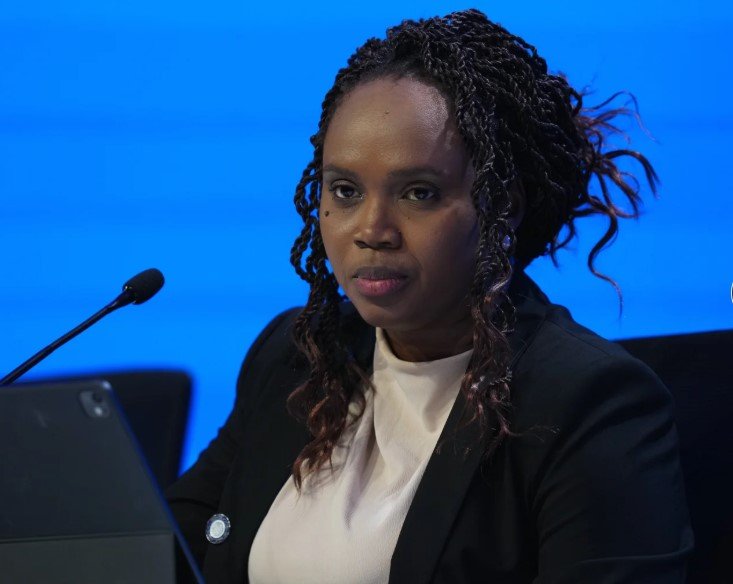
Speaking during the IMF and World Bank Annual Meetings in Bangkok, Thailand, on Thursday, 15 October 2026, IMF African Department Director Zeine Zeidane said the Fund expects regional growth of 4.5% in 2026, rising to 5% in 2027.
The revised outlook comes as the IMF warns that further reductions in international aid could leave countries with fewer resources to respond to economic and humanitarian crises.
According to the Associated Press, Zeidane said development assistance had already fallen sharply in 2025 and was expected to decline by another 12% in 2026.
Growth forecast improves despite economic pressures
The IMF’s latest projection represents an improvement from its April 2026 forecast of 4.3% growth for sub-Saharan Africa.
Reuters reported that the Fund had raised its forecast to 4.5%, citing adjustments in global supply conditions and economic reforms undertaken by countries across the region.
However, the improved outlook comes with concerns about inflation.
According to Reuters, median inflation in sub-Saharan Africa is expected to rise from 3.4% in 2025 to 4.3% in 2026 and 5% in 2027.
These figures are regional forecasts rather than confirmed outcomes. Economic conditions will continue to vary between countries, particularly between those that export commodities and those that depend heavily on imports.

Further aid cuts threaten vulnerable countries
The IMF has warned that declining development assistance could place additional pressure on governments already facing limited financial resources.
In its April 2026 Regional Economic Outlook, the Fund cited estimates suggesting that bilateral aid budgets for sub-Saharan Africa fell by between 16% and 28% in 2025 compared with 2024.
The estimated reductions followed cuts announced by several major donors and changes in international development funding.
The IMF said low-income and fragile countries were particularly vulnerable because they depend more heavily on external assistance to support essential services.
Aid plays an important role in financing healthcare, education, humanitarian programmes and infrastructure in parts of the region.
Further reductions could force governments and development organisations to reconsider spending priorities, particularly where domestic revenue is insufficient to replace lost funding.
The additional 12% decline projected for 2026 remains a forecast, not a confirmed final reduction.
Energy prices, climate shocks and insecurity remain risks
The IMF also warned that further disruption to global energy supplies, tighter financial conditions and climate-related events could weaken the region’s economic outlook.
Zeidane identified another energy supply shock, a sharp rise in global risk aversion, and a strong El Niño event among the risks that could place additional pressure on African economies.
Higher fuel and food costs could affect households and businesses, while more expensive borrowing could limit governments’ ability to finance development programmes.
Conflict and insecurity remain additional concerns in countries already experiencing displacement, food shortages and pressure on public services.
The effects of these risks are likely to differ across the region, depending on each country’s economic structure and ability to respond.
Reforms and mineral revenues offer opportunities
Despite the challenges, the IMF has recognised economic reforms undertaken by several African countries to improve financial stability and strengthen resilience.
Some mineral-exporting economies are also benefiting from demand for resources used in advanced technologies.
During the Bangkok meetings, African officials discussed investment, job creation, and ways to retain more economic value from natural resources.
The IMF has encouraged governments to strengthen economic management, improve productivity, and use available resources to support long-term development.
However, higher commodity revenues will not benefit every country equally, and stronger economic growth does not automatically replace funding lost through reductions in development assistance.
The Fund’s latest outlook therefore presents a mixed picture: stronger expected growth alongside continued financial pressures and risks that could undermine progress.