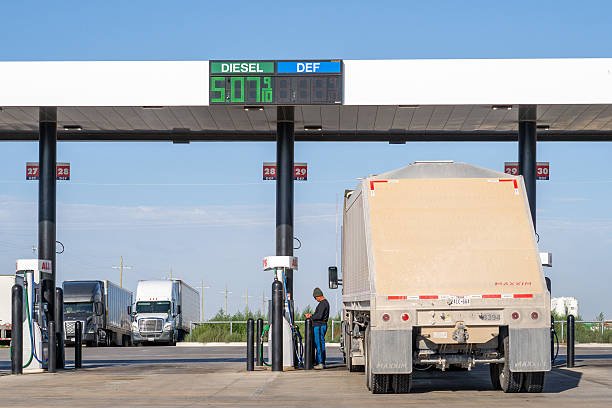
Global diesel supplies could remain under pressure well into 2027 as conflict-related damage and export disruptions in the Middle East and Russia limit the availability of refined fuel, the International Energy Agency (IEA) has warned.
In its October Oil Market Report, published on 14 October 2026, the agency said unusually large withdrawals from fuel stocks had left the market vulnerable ahead of the Northern Hemisphere winter.
Exports Fall as Fuel Stocks Decline
The IEA said combined diesel and gasoil exports from the Middle East and Russia were 1.3 million barrels per day lower in September than a year earlier. Increased exports from other suppliers partly offset those losses, leaving global diesel exports about 700,000 barrels per day below their year-earlier level.
The agency said stocks were being drawn down during a period when inventories would normally increase ahead of winter demand. Lower reserves leave buyers with less protection against further disruptions to production, shipping, or refining.
Diesel Prices and Refining Premiums Surge
Wholesale diesel prices exceeded $200 a barrel in Singapore in September and reached about $220 a barrel in Europe and the United States, according to the IEA. Reuters reported that the premium of diesel over crude oil rose to almost $95 a barrel during September.
That premium is not the profit earned by every refinery. Higher crude transport costs and expensive shipping have also squeezed refining profitability in some markets. The IEA said European diesel refining premiums had fallen substantially by early October even though diesel remained costly.
Diesel is widely used in freight transport, agriculture, construction, and manufacturing. Sustained high prices can increase the cost of moving goods and operating machinery, with possible consequences for inflation and household purchasing power.
Why More Crude Oil May Not Be Enough
Additional crude production does not automatically provide more diesel. The fuel must be produced in functioning refineries and transported to buyers. Damage to Russian refining facilities and disruption to Middle Eastern fuel exports have limited those steps.
The IEA said refined petroleum shipments from the Middle East had recovered more slowly than crude exports. It also warned that easing restrictions on Russian diesel exports would have limited effect while refinery capacity remained constrained.

Recovery Could Take Until Late 2027
The IEA expects increased refinery activity to bring the diesel and gasoil market into a possible surplus in the first quarter of 2027. However, that would not fully replace the inventories lost during 2026. The agency does not expect meaningful rebuilding of depleted stocks beyond normal seasonal movements before the second half of 2027.
The National also reported that depleted inventories and weak exports could prolong the shortage. The forecast remains conditional on production, refining capacity, demand, and the security of supply routes.
For fuel-importing economies, prolonged high diesel costs could raise import bills and transport expenses. The impact on individual countries will depend on exchange rates, taxes, local pricing policies, and the extent to which businesses pass higher costs to customers.
The IEA’s warning is therefore not a prediction that prices will remain unchanged until 2027. It reflects the risk that a recovery in production will take longer to rebuild the fuel stocks needed for a more stable market.