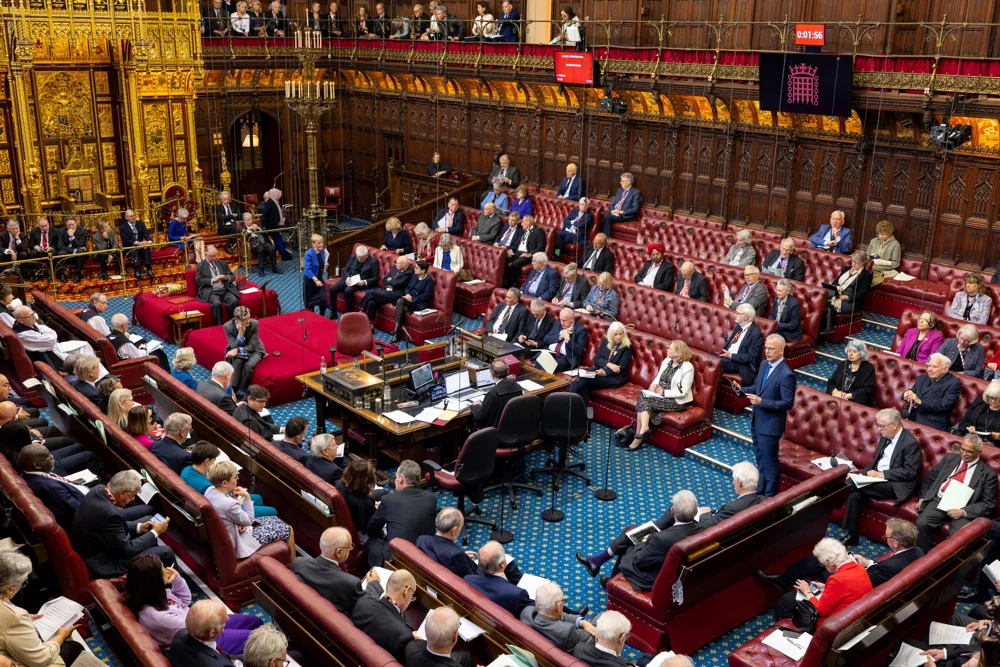
UK Home Office reported the central development. Britain’s Immigration and Asylum Bill passed its third reading in the House of Commons on Wednesday, 18 November, by 290 votes to 94, a majority of 196. The Home Office said the measure will move to the House of Lords for the next stage of scrutiny. That is a legislative milestone, not the same as the proposals becoming enforceable law. Members of the upper chamber can examine the details, propose amendments, and challenge ministers over how the system would work. The bill is part of a wider reform programme announced by Home Secretary Shabana Mahmood, and it places immigration enforcement, appeals, and protection claims at the centre of another debate over Britain’s borders.
What the Bill Would Change
According to the UK Home Office, the government proposes replacing the current minimum five-working-day notice period after certain unsuccessful appeals with a six-month window in which removal could proceed without further notice. The plan is linked to a new Independent Immigration Appeals Authority intended to make appeals faster and more consistent. Other provisions concern financial contributions towards asylum accommodation by people who can afford them and a consolidated definition of protection claims. Ministers also propose changes to how Article 8 family and private-life considerations are applied. Those proposals will be judged partly by their practical effect on legal access, fairness, and the speed of decisions, not just by the number of removals.

Modern Slavery Provisions Draw Attention
The bill also addresses claims made through the National Referral Mechanism, the system used to identify potential victims of modern slavery. Ministers want to define certain deliberately dishonest applications as bad-faith claims and tighten rules on information provided late in the removal process. They argue that the changes will prevent misuse of protections and reduce delays. The opposing concern is that genuinely exploited people may be frightened, poorly advised, or unable to disclose their experiences immediately. The challenge for lawmakers is distinguishing deliberate deception from credible reasons for late disclosure. Effective procedures would need to protect survivors while allowing officials to test the evidence fairly.
Why Migrants Should Follow the Debate
People planning to move to Britain should not assume that every measure described in the bill is already in force. Applicants need to check the current Immigration Rules and official guidance for their particular visa or protection category. Proposals covering appeals or removals do not automatically rewrite the eligibility criteria for ordinary work, study, or family visas. Legal advisers and charities will also be watching whether the final wording maintains meaningful routes to challenge mistakes. Public discussion often compresses complicated legal provisions into promises of tougher borders, but individuals’ rights can depend on the wording of separate clauses and transitional arrangements.
Checks Before Any New Rules Take Effect
Advocacy organisations may also examine whether people who cannot secure timely legal advice receive a fair opportunity to present relevant information. Decision-makers will need clear training on safeguarding and routes for correcting administrative mistakes. The government can defend the integrity of a faster system most convincingly by publishing reliable data on appeal outcomes, wrongful decisions, and the time taken to resolve cases. Such measures would let Parliament compare faster enforcement with procedural fairness instead of treating them as mutually exclusive goals.
Next Parliamentary Test
The government expects the bill to be introduced in the Lords shortly. Peers may seek explanations about the independence of the proposed appeals authority, standards of evidence in modern-slavery decisions, and protections for people with complex family circumstances. The Home Office says recruitment for the appeals authority’s chair is expected to begin soon, with an appointment envisaged by spring 2027. Implementation would require institutions, staffing, guidance, and operational rules, as well as any legislation. The immediate confirmed fact is a Commons vote; the next story will be what survives detailed review before the bill can complete the remaining parliamentary stages.
What Readers Should Watch
For Nigerians and other foreign nationals affected by UK immigration policy, the distinction between proposed statutory change and existing visa requirements is essential. Individuals should use current official guidance and obtain qualified advice where necessary. News reports should also separate ministerial statements from independently verified results: projected savings, lower arrival numbers, and improvements in processing are government claims unless corroborated by published data and consistent definitions.
Trivane View
Immigration rules must be enforceable and accountable. Parliamentary scrutiny should examine not only whether decisions can be made faster, but whether applicants can correct errors and genuinely vulnerable people remain protected.
Related Trivane News
UK Opens New Refugee Sponsorship Routes as Charities Prepare to Welcome Applicants