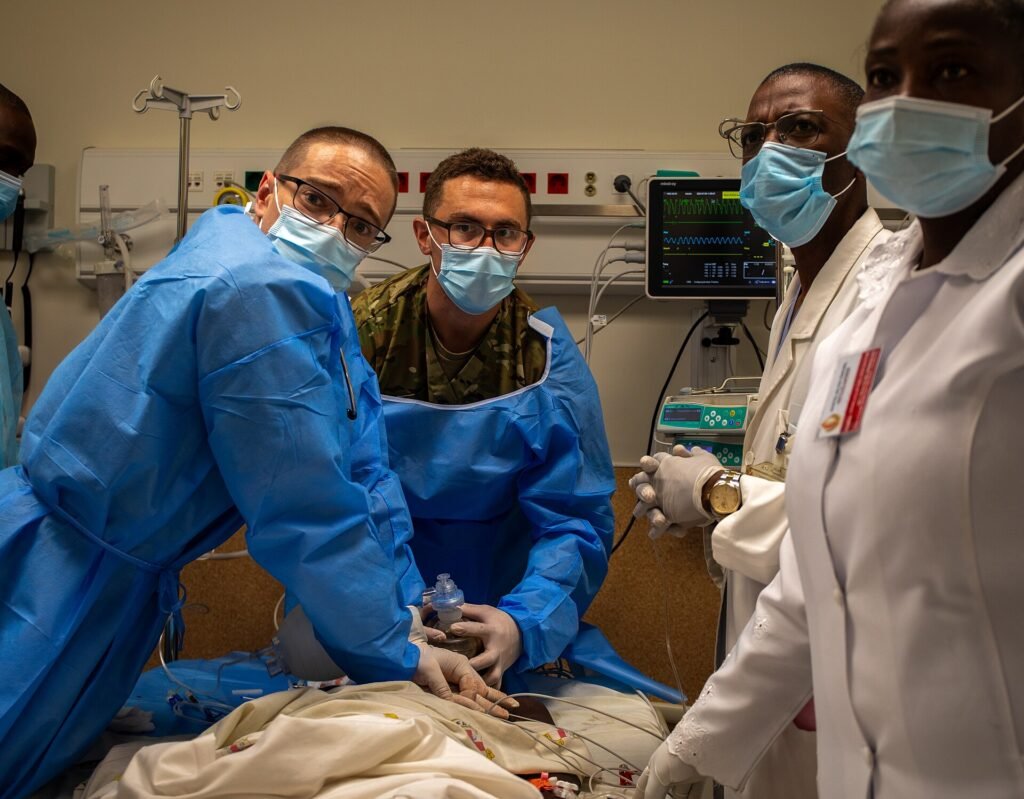
The WHO African Region could face a shortage of 5.85 million health workers by 2030, despite growth in its workforce and a substantial number of trained professionals unable to find employment.
According to WHO’s announcement of its 2026 workforce report, an estimated 943,000 trained health workers were unemployed in 2024, while health services remained understaffed.
The report, launched in Accra on 6 May, identifies problems in employment, distribution and retention alongside the need to expand training. Its findings show why producing more graduates alone will not resolve shortages.
Training must lead to employment
WHO says the region’s overall health workforce reached 5.72 million in 2024, compared with 4.3 million in 2018. Training institutions now produce more than 325,000 graduates annually.
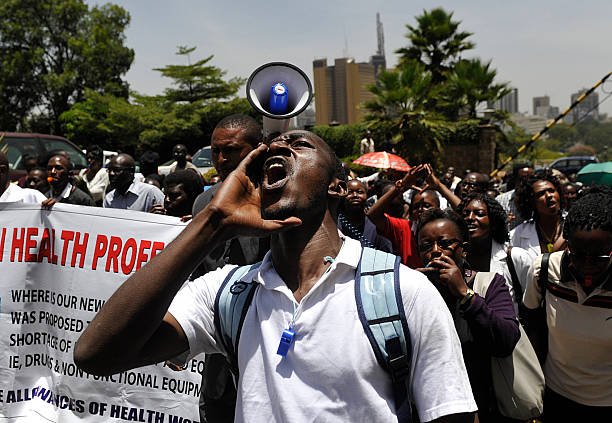
However, in some countries, more than half of new graduates remain unemployed or take insecure jobs. WHO links this to a mismatch between training, available employment and health system financing.
Retention is another concern. The agency says nearly 46% of health workers report an intention to migrate, citing poor working conditions and limited career opportunities. An intention to leave is not the same as an actual departure, but it signals pressure on countries trying to retain skilled staff.
Shortages could deepen by 2035
The full WHO report projects a needs-based shortage of approximately 6.28 million workers by 2035 if current trends continue.
These estimates measure the gap between the workforce available and the workforce needed to meet population health needs. They should not be read as a count of advertised vacancies.
Nursing faces a particularly large gap. The report projects that the shortage of nursing personnel could rise from about 3.65 million in 2024 to 4.43 million by 2035.
The projections depend on assumptions about training, employment, departures, and growing demand for care. They describe a possible trajectory rather than an inevitable outcome.
Governments commit to additional workers.
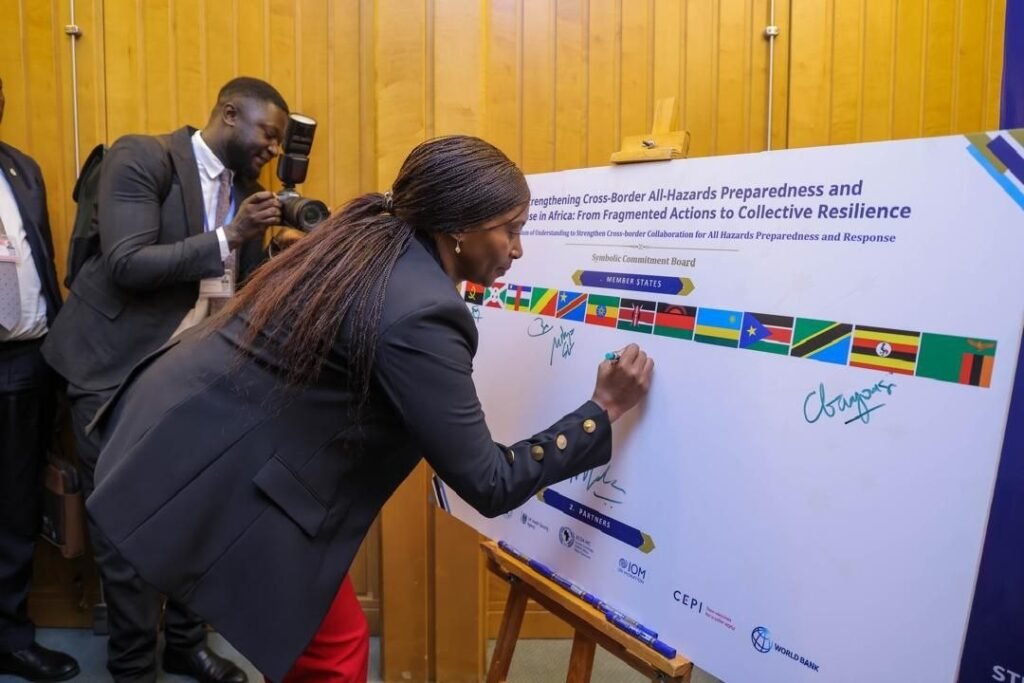
In an announcement on 26 August, WHO said African health ministers had endorsed an agenda to plan, educate, employ and retain three million additional health workers by 2035.
The commitment calls for cooperation across health, education, finance, labour, and public service departments. It is a policy target, rather than evidence that those workers have already been recruited.
A September account of joint WHO and Africa CDC meetings described further work on workforce planning and data, involving experts from 37 member states.
That work aims to help countries connect training and financing with employment and track whether commitments produce measurable improvements. For understaffed services, the central challenge remains turning qualified graduates into a supported workforce serving communities that need care.