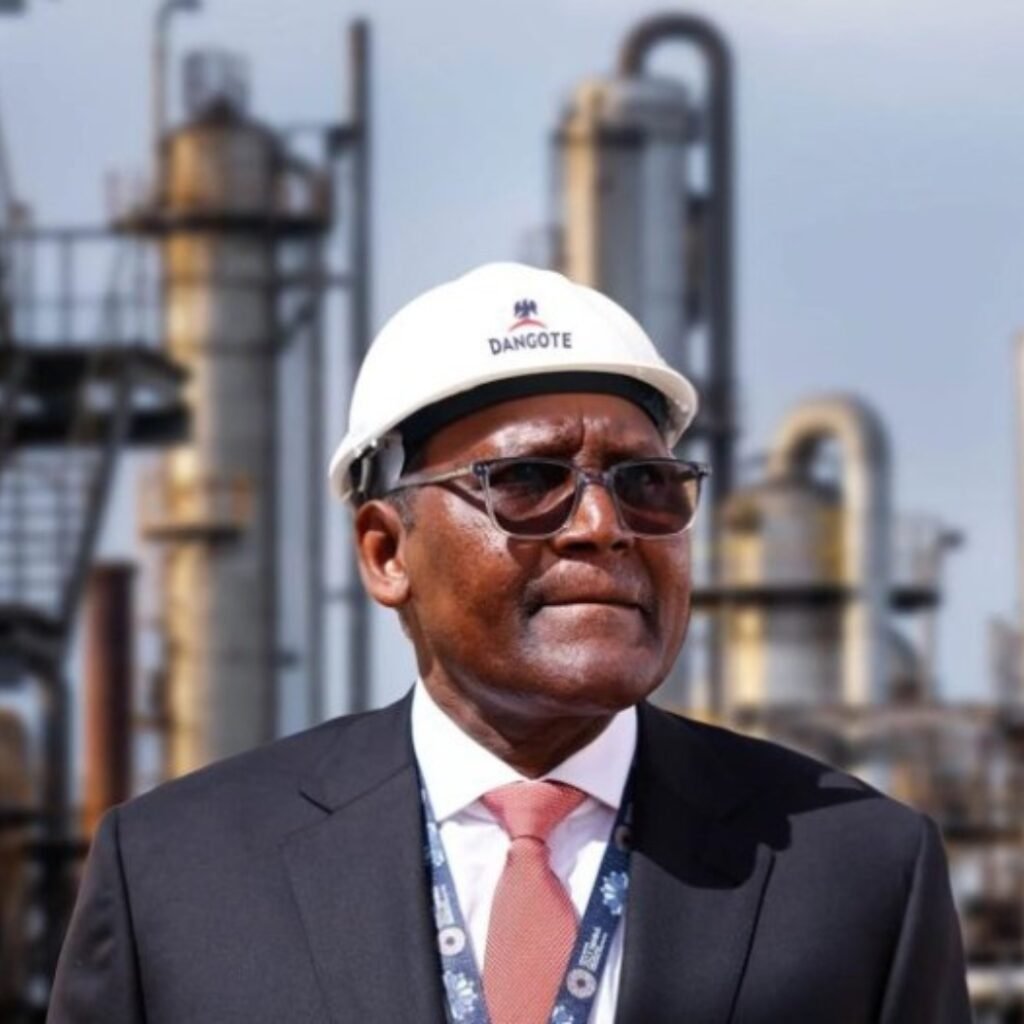
Kenyan presidential aspirant Patrick Osoi has reportedly warned Nigerian billionaire Aliko Dangote against rushing construction of a $16 billion oil refinery in Lamu, saying Kenyan investors should be given the opportunity to develop the facility.
According to Punch, Osoi made the remarks while addressing supporters at a Lions Movement event. A video attributed to the gathering circulated online on Sunday, 11 October 2026.
Osoi reportedly argued that Kenyan businesspeople had the capacity to establish their own refinery and warned that Dangote’s plans could face opposition if he became president after Kenya’s 2027 election.
His remarks have also been reported by other Nigerian news outlets, although Trivane News has not independently authenticated the original recording.
The reported warning represents a political position rather than a decision by the Kenyan government. There has been no verified announcement cancelling the refinery project.
Refinery project launched in September
The comments follow the groundbreaking ceremony for the proposed refinery on 30 September 2026, attended by Dangote and Kenyan President William Ruto.
According to Kenya’s Ministry of Roads and Transport, the facility is planned to process up to 700,000 barrels of crude oil daily.
The project is intended to supply refined petroleum products to Kenya and other East African markets, potentially reducing the region’s dependence on imported fuel.
Its estimated investment value is $16 billion, with construction expected to take approximately 40 months.
The development also includes plans for an engineering training facility to equip local workers with technical skills.
Land dispute raises separate concerns.
Beyond the political criticism, the refinery project faces legal questions involving land in Lamu.
Residents have challenged aspects of the land arrangements, raising concerns about ownership, compensation, and the potential effects of the development on their communities.
As Reuters reported, the project has attracted attention over its scale and potential implications for Kenya’s energy sector.
Separately, reports of proceedings before the Malindi Environment and Land Court indicate that an order was made to preserve the existing position concerning disputed land pending further consideration.
The order should not be interpreted as a final judgment cancelling the refinery. The land proceedings and Osoi’s political objections are separate matters.

Trivane View
The debate surrounding the Lamu refinery raises a wider question about how African countries balance support for domestic businesses with the need to attract large-scale investment.
Kenyan participation in major industrial projects is a legitimate policy consideration. However, replacing a proposed $16 billion investment would require a credible financing plan, technical expertise, and a clear legal framework.
For the refinery to deliver lasting benefits, its promoters and public authorities must also address land rights, environmental safeguards, and the interests of affected communities. These issues deserve careful scrutiny regardless of who finances the project.