Kenya has discharged five patients who tested positive for Ebola after they completed treatment and returned negative laboratory results, marking progress in the country’s response to the outbreak.
The patients were discharged on Tuesday, November 3, after showing no symptoms and testing negative for the Bundibugyo strain of the virus.
The country’s Ministry of Health also confirmed that 46 people who had been identified as contacts of infected patients had completed their monitoring period and were released from quarantine.
According to the “Kenya News Agency,” the latest releases bring the number of contacts who have completed monitoring to 66, including 20 people discharged on October 25.

Two patients remain under treatment
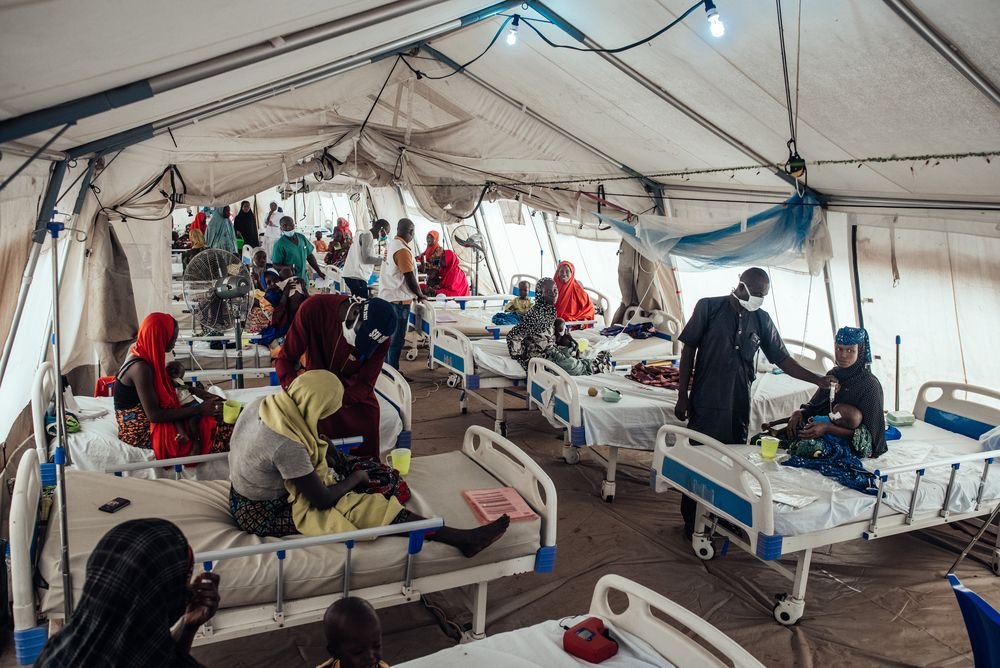
Despite the latest recoveries, two patients remain hospitalised and are receiving supportive care at Kenyatta National Hospital and The Nairobi Hospital.
Kenya has recorded nine confirmed Ebola cases, including two deaths, since the outbreak was identified. The first confirmed case involved a man who travelled from the Democratic Republic of Congo through Uganda and died shortly after arriving in Kenya.
The remaining confirmed infections were linked to the same cluster.
The Ministry of Health said no new infections had been reported since October 19 and that there was no evidence of community transmission.
A “November 4 report by the Associated Press” also confirmed the discharge of five patients, while reporting that 52 additional contacts were expected to complete their 21-day monitoring period by November 11.
Authorities maintain surveillance measures
Kenyan health authorities have cautioned that the latest recoveries do not mean the outbreak has ended.
Under the established public health criteria, an Ebola outbreak can only be declared over after 42 consecutive days have passed without a new case following the recovery or death of the final confirmed patient.
The Ministry has therefore maintained surveillance and other containment measures while the remaining patients continue treatment and contacts complete monitoring.
Health officials have also urged communities to welcome discharged patients and people released from quarantine without discrimination or stigma.
Wider outbreak remains a concern
The situation in Kenya forms part of a wider Ebola outbreak that began in the Democratic Republic of Congo and has affected neighbouring countries.
The Bundibugyo strain is among the Ebola virus species for which there is currently no approved vaccine or specific treatment, making early detection, isolation, supportive care and contact tracing particularly important.
Kenya’s latest recoveries offer encouragement, but the presence of two patients still receiving treatment means authorities must continue monitoring the situation.