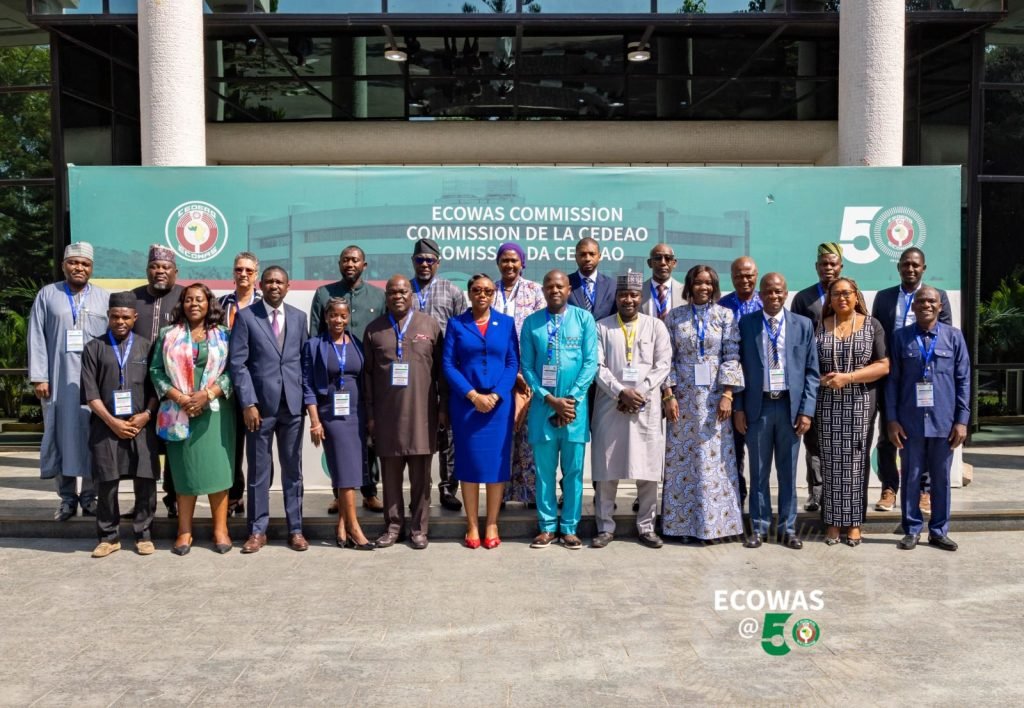
Nigeria has called for coordinated West African action to retain healthcare professionals as regional authorities develop a long-term workforce plan. The appeal was detailed in a report published by The Guardian, following a workshop convened by the West African Health Organisation in Abuja.
Minister of State for Health Adekunle Salako, represented at the meeting by senior ministry official Ovuoraye John, said countries should cooperate rather than respond separately to staffing shortages. The discussions centred on practical ways to improve working conditions, professional development, and the availability of trained personnel across ECOWAS member states.
Why is West Africa struggling to retain health professionals?
Migration is only one part of the workforce challenge. Participants identified delayed salaries, inadequate remuneration, limited career progression, uneven deployment, and difficult working environments as factors that can make local service unattractive. Health workers may also struggle to obtain the specialist training, equipment, and mentorship required to develop professionally.
These pressures are particularly consequential for underserved communities, where the loss of even a small number of experienced clinicians can affect access to essential services. Retention measures therefore need to address everyday working conditions, not simply appeal to medical professionals to remain in their home countries.

What is the proposed regional response?
According to The Guardian, WAHO officials are working on a regional plan that would guide workforce retention over five-, ten-, fifteen- and twenty-year horizons. The organisation expects the document to proceed to an Assembly of Health Ministers for consideration. A proposed framework is not yet evidence that every member state has approved or funded its implementation.
Officials also discussed harmonising training curricula across countries. They said 58 curricula had been developed in different disciplines and subspecialties, an initiative intended to improve professional mobility and consistency in training. Cross-border recognition could expand opportunities for healthcare workers, but it would need to be accompanied by safeguards against worsening shortages in already underserved areas.
What changes are medical leaders demanding?
A representative of the West African College of Surgeons, Foluso Owoeye, urged governments to prioritise modern equipment, specialist training, mentorship, research opportunities and viable career pathways. He argued that public investment in medical education should translate into improved healthcare access for the communities that helped finance that training.
WAHO participants also emphasised appropriate accommodation and supportive workplaces. These measures are less dramatic than recruitment announcements, but they influence whether a doctor, nurse or other specialist can sustain a career within the public system. Without reliable pay and facilities, workforce targets risk remaining administrative aspirations.
What happens next?
The next test is whether health ministers adopt an actionable framework with measurable commitments, clear financing and deadlines. Governments will also need credible staffing data to determine which professions and locations face the most acute shortages. Monitoring should track retention, deployment and patient access rather than counting policy meetings alone.
The Abuja discussions took place alongside other regional medical engagements, but the immediate outcome reported is a call for cooperation and continued work on the plan. There is no verified announcement in the available report of a new binding salary agreement or a completed cross-border employment scheme.
An effective workforce policy should also distinguish between mobility within West Africa and migration beyond the region. Harmonized qualifications could help clinicians move where their skills are needed, but they may not automatically increase the overall number of available professionals. Training more workers, retaining experienced staff, and distributing personnel fairly are related but separate tasks. Officials should publish baseline workforce numbers and make clear how proposed interventions will be evaluated. Without that transparency, countries could announce regional progress even while individual rural clinics continue to struggle to fill essential posts.
Trivane View
West Africa cannot solve its health workforce problem through training expansion alone while neglecting the conditions under which professionals practice. Regional cooperation could make training more consistent and policy planning more effective, but success will depend on whether individual governments improve pay reliability, infrastructure, and career prospects.
The central public-interest question is whether patients in underserved communities experience shorter waits, safer care, and better access to qualified professionals. That is the standard against which the proposed regional plan should eventually be judged.
Related story
WHO Warns of Complex Ebola Spread After Nigeria Confirms Case