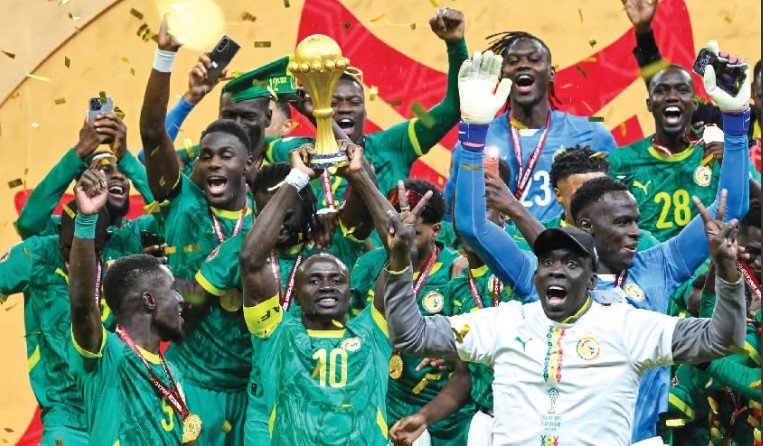
The Court of Arbitration for Sport reinstated Senegal as champions of the 2025 Africa Cup of Nations on Tuesday, 24 November, overturning the Confederation of African Football appeal ruling that had awarded the title to Morocco. CAS confirmed the original 1-0 extra-time result from the final played in Rabat on 18 January 2026. The verdict is a new development in a dispute over how officials handled Senegal’s temporary walk-off late in regulation time. It does not mean the final was replayed or a fresh match took place this week. The development was reported by Reuters.
Why the tribunal intervened
The dispute arose after Senegalese players briefly left the field following a late penalty award to Morocco. They returned, play resumed, Morocco missed the penalty and Senegal subsequently scored the winner. CAF’s appeals process later overturned the outcome, awarding Morocco a 3-0 result. CAS found that the referee’s decision to resume play fell within the field-of-play doctrine. The tribunal said the regulations used to justify a forfeiture did not fit a match which the referee had not permanently abandoned.

CAF accepts implementation
CAF said it respected the award and would take the necessary steps to implement it. The Senegalese Football Federation welcomed the verdict and emphasised that on-field results should determine the outcome. These responses matter because the status of the trophy involves more than a legal abstract: official records, recognition of champions and the credibility of competitions must be aligned. The tribunal’s ruling, and the official federation statements, are more reliable guides to the present status than outdated tables reflecting the earlier CAF appeal decision.
Morocco signals further action
The Royal Moroccan Football Federation said it intended to challenge the award and raised an allegation concerning possible contact with an arbitrator. A Senegalese federation spokesperson denied the allegation, and CAS said the arbitrator strongly denied direct contact with the parties. These are contested claims, not established findings of misconduct. Reuters reported that a challenge could be directed to the Swiss Federal Supreme Court, but the intention to contest the decision should not be confused with a court having already overturned the CAS award.
What the decision does and does not cover
The tribunal addressed whether the referee’s decision to continue the game was legally reviewable in the way CAF’s appeal body had treated it. Separate disciplinary sanctions against Senegal’s federation and individuals were a distinct part of the dispute. Journalists should avoid implying that every disciplinary question has been erased by the reinstatement of the title. The significance is that CAS considered the referee’s management of the resumed match decisive for the final result, while leaving other legal arguments to the appropriate procedures.
A new chapter for African football
The ruling has consequences for how governing bodies distinguish sporting decisions from disciplinary misconduct. It also places attention on the clarity of competition regulations and the transparency of appeal processes. Senegal has its title restored under the current award; Morocco has signalled it will seek further legal recourse. Any subsequent filing or ruling must be reported when it occurs, rather than anticipated as a settled outcome. For now, Tuesday’s CAS decision is the controlling news development and the basis for the revised champions’ record.
Why this is more than a trophy dispute
The unusual sequence of a completed match, a federation appeal and a sports arbitration award has drawn attention to the boundary between a referee’s control of play and a governing body’s disciplinary authority. Those issues matter for future competitions because teams and supporters need to understand the consequences of interruptions, protests and appeals. A ruling in one case does not automatically decide every possible walk-off under different rules. The actual grounds and circumstances of the decision matter. CAF will also face the practical task of keeping official records and communications consistent with the award, even as Morocco explores any legally available route to challenge it.
The wider implications
For readers following the dispute, the sequence should remain clear. The final was held in January; CAF later changed the awarded result; CAS then reinstated the original score on 24 November. The ongoing prospect of further proceedings does not itself erase the current ruling. Equally, supporters should not treat every claim made after the verdict as a judicial fact. The federation statement from Morocco describes its intended response, while the Senegalese response expresses satisfaction with the award. Separating these positions helps keep the article factual even when the decision generates strong reactions among supporters of the two national teams.
Related Trivane News
Senegal’s AFCON Title Appeal Goes to CAS