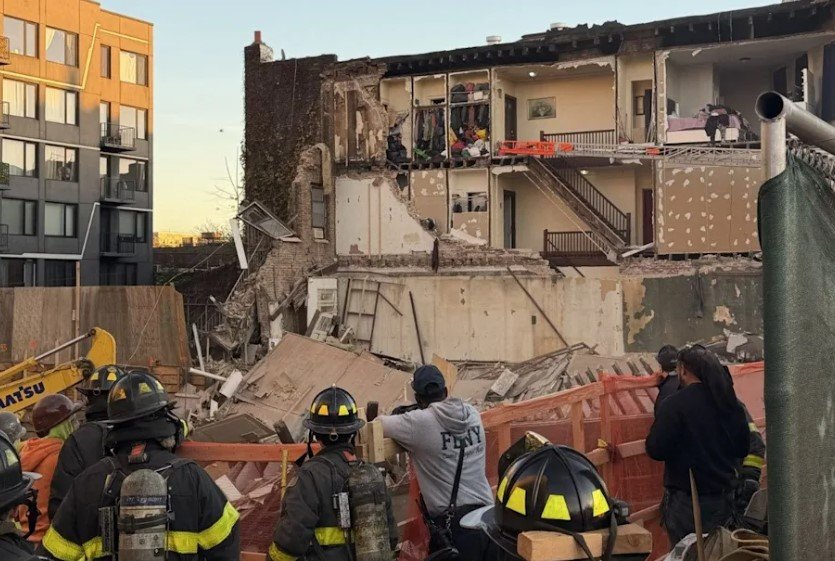
A three-storey apartment building in Brooklyn’s Flatbush neighbourhood collapsed on Wednesday, 11 November 2026, tumbling into an excavation area beside a construction site. By early Thursday, officials had reported two deaths and more than ten people taken to hospital. Rescuers continued checking debris for anyone still trapped. According to Reuters, the four-unit building dated from 1930 and its collapse occurred at about 4 p.m. local time. Authorities had not established a cause as the search continued. The incident has renewed attention to risks around excavation near occupied buildings.
How Extensive Was the Rescue?
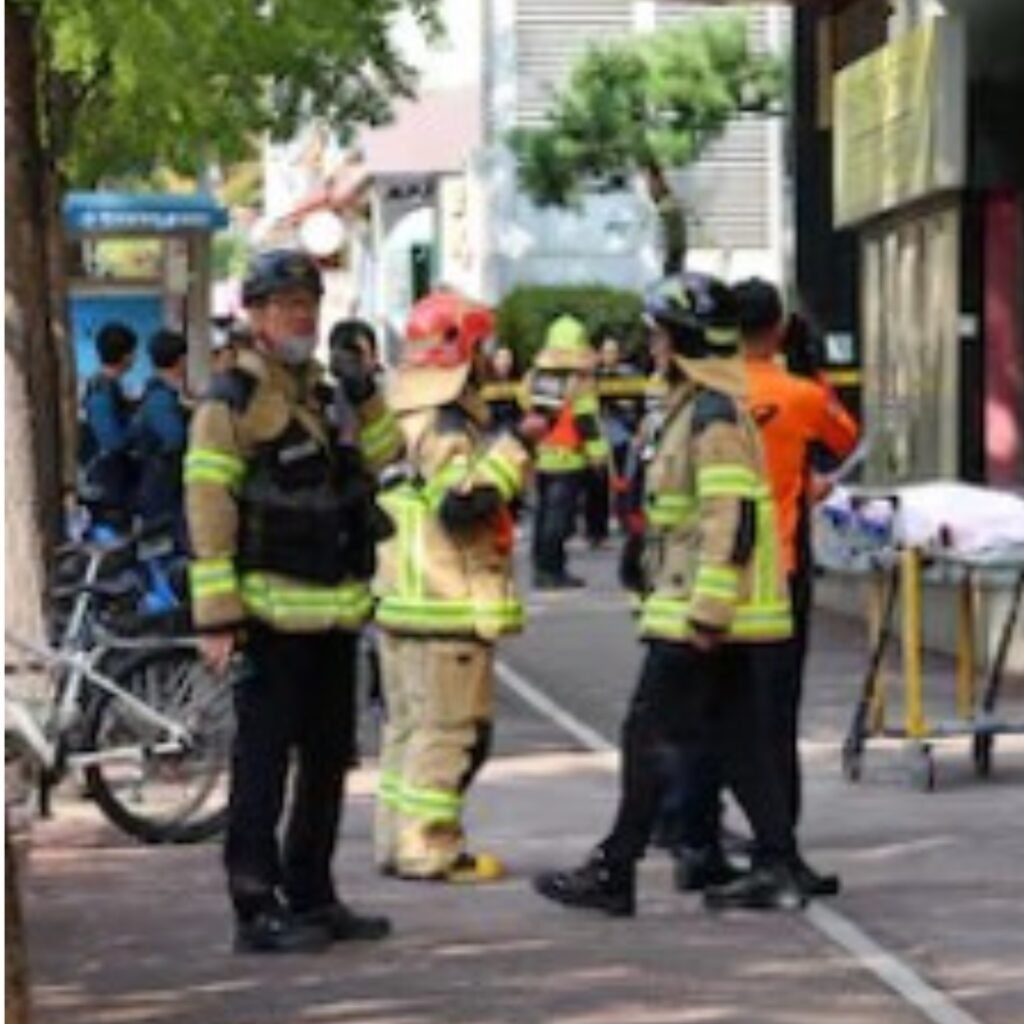
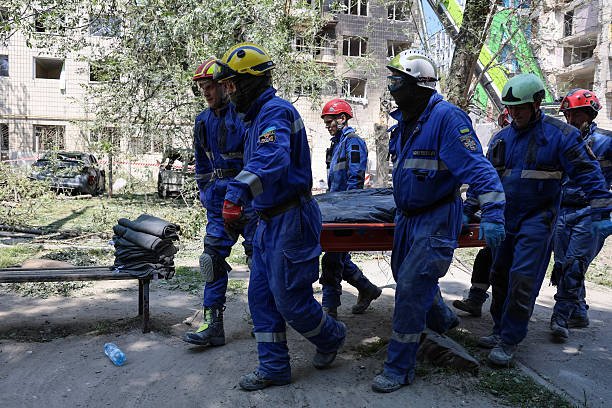
Firefighters, emergency medical teams and search dogs worked through collapsed masonry and timber while nearby streets were restricted. The initial emergency response was fast: a firefighting crew already in the area reached the scene within minutes. Later rescue work took place amid unstable debris, complicating efforts to locate survivors and assess the adjoining buildings. WABC-TV reported that 17 people were injured, four critically, and that seven children were among those treated. Counts may change as the operation proceeds, and different updates reflect different reporting times rather than necessarily conflicting conclusions.

What Is Known About the Site?
The structure had apartments above a street-level commercial space, beside a lot where demolition and excavation were under way. Photographs showed the exposed interior of a neighbouring building and the damaged structure spilling into the work area. The adjacent excavation is an important investigative lead, but proximity alone does not prove that digging caused the collapse. Investigators must examine excavation permits, shoring and underpinning arrangements, foundation conditions, structural changes, and inspection records before assigning responsibility. Public claims about negligence would be premature without those findings.
The timing of official casualty statements also requires care. Preliminary emergency figures often change as crews recover injured people, check hospital admissions, and establish whether missing-person reports refer to the same individuals. For this reason, the article uses the two deaths confirmed in Thursday reporting without treating that figure as a final toll. Families seeking relatives may need information from hospitals and emergency services. Authorities also need to identify whether any workers were below ground when the structure fell into the excavation.
Questions about excavation safety are likely to include whether contractors had assessed the load-bearing capacity of neighboring foundations, whether work proceeded according to approved drawings, and how any visible structural movement was documented. These are questions for inspectors, rather than findings of fault. Local authorities may inspect nearby premises and restrict access while engineers determine whether adjacent walls or foundations remain stable. For displaced tenants, clear communication about temporary accommodation, access to medication, and essential belongings is an immediate practical concern, separate from the later question of compensation. Officials may also need to explain which residents can safely return and whether surrounding shops will remain closed during inspections.
What Have Authorities Confirmed?
New York City officials said rescue workers had to account for residents, visitors, and construction workers, not all of whom were known to be present when the building came down. An Associated Press photo report documented the extensive emergency deployment and the painstaking search. Building inspectors were assessing nearby structures for possible damage. That process protects responders and neighbors, but it can also prolong displacement for households whose homes remain standing but cannot yet be certified safe. Officials have not publicly released a definitive engineering explanation.
Why Does Construction Safety Matter?
Excavation beside occupied premises can change ground support conditions, particularly around older foundations. Effective safeguards may include engineering review, monitoring for movement, and, where needed, temporary structural support. The precise obligations depend on the work and local building code. This case should not be used to conclude that all nearby construction is unsafe; it does show why early warning signs, clear accountability between contractors and owners, and prompt inspections are central to urban safety. Residents need reliable information on evacuation, emergency accommodation, and access to their belongings.
What Happens Next?
Search operations take priority while investigators preserve the site and gather evidence. Authorities will need to determine who was in the building and the construction zone, the condition of the structure before the collapse, and whether any relevant complaints or violations were recorded and resolved. The findings may influence enforcement or future safety practices, but neither penalties nor criminal liability should be predicted before evidence is assessed. A further verified casualty update and an official engineering assessment will be the most important next developments.
Trivane View
Rescue information should be updated carefully as casualty figures change. Explanations about excavation or responsibility must be supported by official engineering findings, not inferred from dramatic images.
Related Trivane News
US Soldier Attached to NATO Unit Arrested in Britain Over Russia Espionage Suspicions