At least 52 civilians were killed during three days of fighting in and around Alamata in Ethiopia’s Tigray region, according to hospital sources who spoke to the BBC. The reported toll includes people killed when explosives struck homes and a market, but independent confirmation remains difficult because communications with the region have been disrupted.
An Alamata General Hospital doctor, speaking anonymously to the BBC, said the heaviest fighting took place from Saturday to Monday. Twelve people were reported killed in one strike on the town’s market. The victims included mothers, cattle herders and children, including a three-day-old baby.
The account does not establish which force fired the weapons responsible for those deaths.
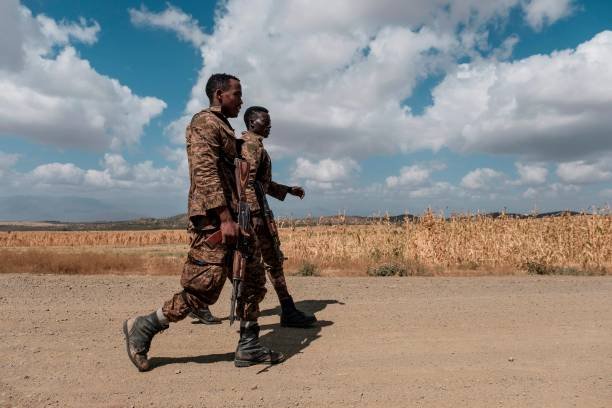
The BBC reported that government troops appeared to have taken control of Alamata from regional fighters. Separately, Reuters verified video showing pro-government forces in the town and cited diplomatic sources saying Alamata had fallen.
Alamata lies about 120 kilometres south of Tigray’s capital, Mekelle, and is an important route for supplies including food and fuel. Its capture could affect movements farther north, although control of the town does not establish who controls every surrounding road.
Hospitals Face Growing Pressure
Medical charity Médecins Sans Frontières has reported a sharp increase in war-wounded patients as fighting intensifies across northern Ethiopia.
In its 28 September emergency update, MSF said the number of war-wounded patients received at hospitals in Korem and Alamata rose from about 180 to more than 420 over a 48-hour period between 22 and 25 September. More than 300 additional patients had reached Suhul hospital in Shire by 25 September.
Those figures refer to wounded patients arriving at specific hospitals during an earlier period and should not be treated as part of the later 52-person civilian death toll reported by the BBC.
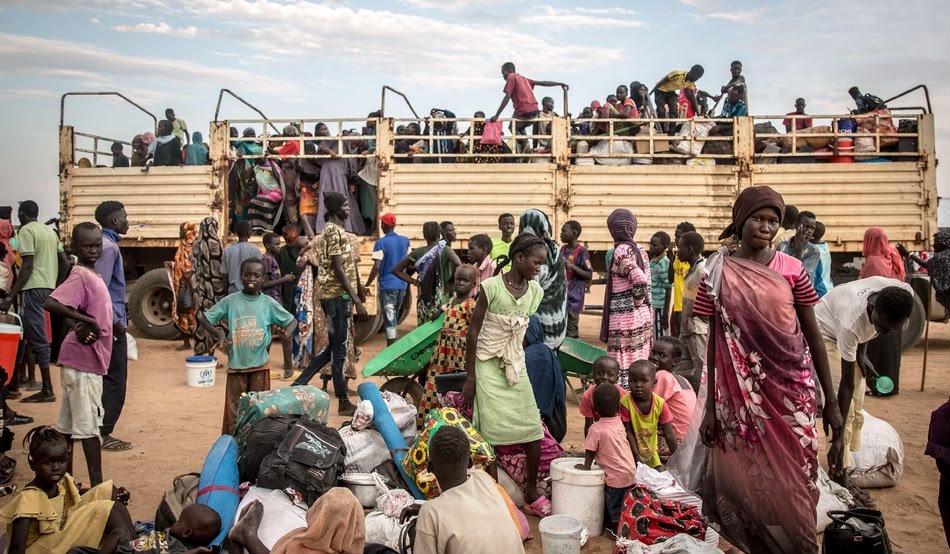
MSF said worsening insecurity forced it to suspend activities at Alamata hospital and halt outreach work, while teams redirected support towards other facilities and prepared to assist people fleeing violence in Tigray, Amhara and Afar.
The impact extends beyond hospitals. Residents have also faced disruptions to electricity, phone services, internet access and banking, making it harder for families to communicate, access money or establish whether relatives are safe.
Both Sides Dispute How the Fighting Began
The renewed clashes follow months of tension between Ethiopia’s federal government and the Tigray People’s Liberation Front.
The TPLF says it was responding to a federal offensive involving drone strikes, while the government says Tigrayan forces attacked first after taking control of regional airports. The competing accounts of how the latest fighting began have not been independently established.
The conflict has placed renewed pressure on the agreement that ended the devastating 2020–2022 Tigray war.
In an African Union statement on the renewed escalation, AU Commission Chairperson Mahmoud Ali Youssouf called for immediate de-escalation and reaffirmed the 2 November 2022 Pretoria agreement as the basis for peace between Ethiopia’s federal government and the TPLF.
The AU also said the seizure of the civilian airports at Mekelle, Axum and Shire by Tigrayan forces was inconsistent with commitments under the agreement and urged the parties to resume direct talks.
The fighting has extended beyond Tigray into neighbouring Amhara and Afar. Reuters has also reported that the TPLF entered the renewed conflict with alliances involving six other Ethiopian armed groups.
Communications, Banking and Travel Disrupted
The renewed conflict has disrupted communications across Tigray, further complicating efforts to independently assess casualties and battlefield developments.
Reuters reported widespread telecommunications disruption in the region as fighting intensified, with internet and phone networks affected and competing claims over responsibility for the shutdown.
The disruption has consequences beyond information access. Residents unable to use phones, internet services or banking systems can face difficulties paying for transport, obtaining medical care or contacting relatives.
Travel has also been affected in parts of northern Ethiopia as fighting spreads and transport links become less predictable.
Civilian Toll Remains Difficult to Establish
The reported 52 civilian deaths should be treated as a hospital-sourced minimum, rather than a complete toll for the fighting across northern Ethiopia.
Restricted access, disrupted communications and continuing hostilities mean casualties elsewhere may not yet have been recorded or independently confirmed.
For now, the clearest indications of the conflict’s civilian impact come from local medical staff reporting deaths, the surge of wounded patients documented by humanitarian organisations and the disruption of essential services.
What Happens Next
Attention will now focus on whether fighting continues north of Alamata towards Mekelle and whether diplomatic efforts can prevent a broader collapse of the 2022 peace arrangement.
The African Union has called for an immediate halt to escalation and renewed talks under the Pretoria framework, while humanitarian organisations are expanding medical support as casualties rise.
Until communications and access improve, however, the full civilian toll from the latest fighting is likely to remain difficult to establish.