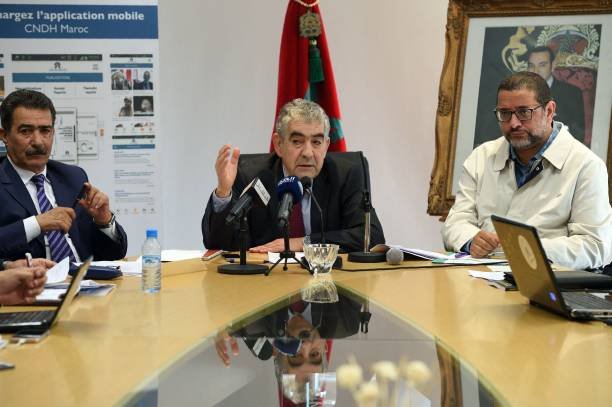
Moroccan journalists have spoken about the pressure of living under suspected surveillance after Amnesty International published an investigation into alleged spying on reporters, activists, and other critics of the authorities.
Journalist Omar Radi told Al Jazeera that he learnt he had been targeted with Pegasus spyware while investigating land dispossession. He also described people following him and asking others about his movements. Al Jazeera’s interviews, published on 6 October, give a personal account of allegations set out in Amnesty’s report five days earlier.
Amnesty International says its investigation combined technical evidence, leaked records, interviews with people identified as surveillance targets and the account of a former employee of Morocco’s domestic intelligence agency. The organisation identifies that agency, known as the DGST, as responsible for deploying Pegasus against journalists and activists between 2017 and 2021.
Amnesty says it matched 103 Moroccan phone numbers in 2017 targeting records to identifiable people, including 22 journalists and media workers. Appearance in those records does not establish that every phone was infected. Its wider investigation also describes alleged use of hidden recording devices, informants, and phones supplied with spyware already installed.
The report was produced with media partners in an investigation coordinated by Forbidden Stories, which has also published documents and interviews about the surveillance allegations.
Morocco has previously denied using spyware against journalists and other critics and challenged Amnesty to provide evidence. Amnesty says it sought a response from Moroccan authorities before publishing its latest report but received none. Al Jazeera said it also requested comment and had received no response when its article was published.