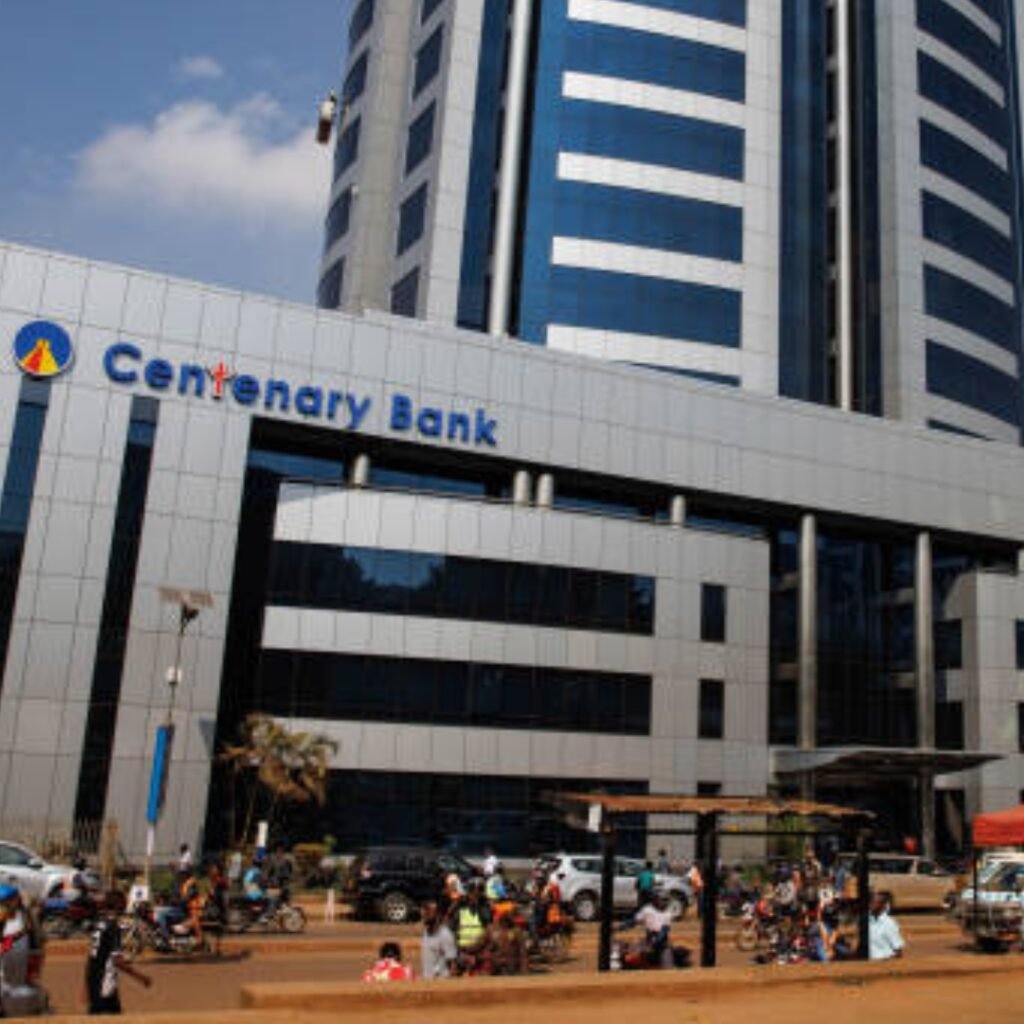
Uganda’s foreign exchange reserves increased by 56% in the year to June 2026, reaching approximately $6.7 billion, as the Bank of Uganda outlined plans to continue buying domestically produced gold to diversify its reserve assets.
According to Reuters the reserves rose from about $4.3 billion a year earlier. The figures were released by the central bank on Monday and reported on Tuesday, 13 October 2026.
Despite the increase, the reserves were equivalent to 3.7 months of prospective imports, below the bank’s four-month target. This means the larger reserve stock has not yet met the institution’s own import-cover benchmark.
Gold Purchases to Continue in 2026/27
The Bank of Uganda plans to continue its domestic gold purchase programme during the financial year ending in June 2027. The initiative is intended to broaden the range of assets held as international reserves rather than rely solely on traditional foreign-currency instruments.
On its official financial markets page, the central bank describes the introduction of monetary gold as a phased diversification effort supported by risk-management and operational safeguards.
The programme is not entirely new. Test purchases began before the latest reserve figures were announced, and the central bank has been developing arrangements for acquiring, refining, and holding gold that meets reserve standards.
Higher Reserves Do Not Remove Currency Pressures
A larger reserve buffer can help a country meet external payment needs and withstand interruptions to foreign-currency inflows. It does not, however, guarantee a stronger exchange rate or eliminate inflation and debt pressures.
Uganda’s shilling has faced depreciation pressure in recent weeks. The central bank has said it does not defend a particular exchange-rate level, although it may act to smooth excessive market volatility.
The 3.7-month import-cover figure also shows why the headline increase needs context: reserve adequacy depends on the scale of the country’s external obligations, not simply the dollar value of assets held.
Gold Strategy Carries Risks
The International Monetary Fund’s 2026 assessment of Uganda says domestic gold purchases could support reserve accumulation but require safeguards against price volatility, liquidity problems, operational weaknesses and financial-integrity risks.
The programme’s success will therefore depend not only on how much gold is purchased, but also on transparent acquisition procedures, secure custody, and prudent management of the resulting assets.

Trivane View
Uganda’s larger reserves offer an additional cushion against external shocks, but the central bank’s own import-cover target has not yet been reached. The increase should be viewed alongside pressure on the shilling and the country’s wider financing needs.
Gold may provide useful diversification, provided the programme is managed transparently and its risks are controlled. Reserve growth is encouraging, but it is not by itself proof of broad economic stability.