
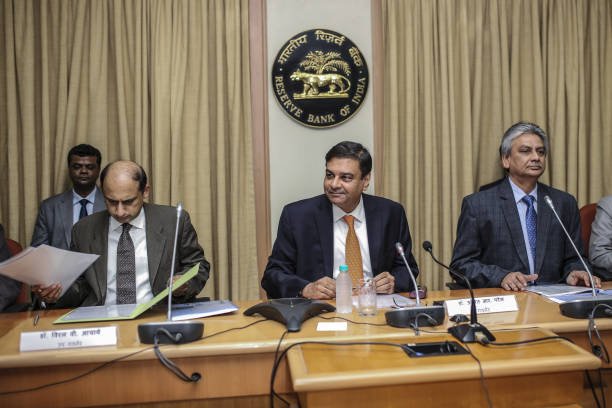
The Reserve Bank of India has raised its benchmark repo rate by 25 basis points to 5.5%, marking its first interest rate increase since February 2023.
The decision, announced on Wednesday, 7 October, increases the rate from 5.25%. A rise of 25 basis points means an increase of 0.25 percentage points. Moneycontrol reports that the move comes as the central bank weighs rising inflation, elevated oil prices and pressure on the rupee.
The RBI’s official policy resolution confirms that all six members of its Monetary Policy Committee supported the increase. However, the separate decision to change its policy stance from neutral to “calibrated tightening” was supported by four members, with two favouring a neutral stance.
Further increases possible, but not automatic
The change in stance signals that the central bank is prepared to raise rates again if inflation conditions require it.
According to Business Standard’s policy report, Governor Sanjay Malhotra said future decisions would depend on underlying inflation, the spread of price pressures and economic demand.
The RBI has ruled out near-term rate cuts under current conditions. Its next decision could therefore be another increase or a pause, rather than an automatic sequence of rises.
Inflation rises alongside stronger growth
Reuters reports that consumer inflation reached 4.82% in August, remaining above the RBI’s 4% target for a third consecutive month.
The central bank raised its inflation forecast for the current financial year to 5.2%, from 5%. It also increased its economic growth forecast to 7.1%, from 6.7%, following stronger activity.
Business Standard reports that higher food and fuel prices are contributing to inflation pressure. The bank also highlighted risks from energy costs, weaker monsoon conditions, and continuing uncertainty around the conflict in West Asia.
What the decision means for borrowers
The repo rate influences the cost at which banks obtain short-term funds from the central bank.
Moneycontrol explains that banks could pass higher funding costs on to customers through increased lending rates. Borrowers with floating-rate loans linked to external benchmarks could face higher monthly repayments or longer repayment periods.
The effect will depend on individual loan terms and how lenders apply the change. The announcement does not mean every borrower’s repayment rises immediately or by the same amount.
The RBI’s next policy meeting is scheduled for 2–4 December. Minutes explaining this week’s committee deliberations are due on 21 October.