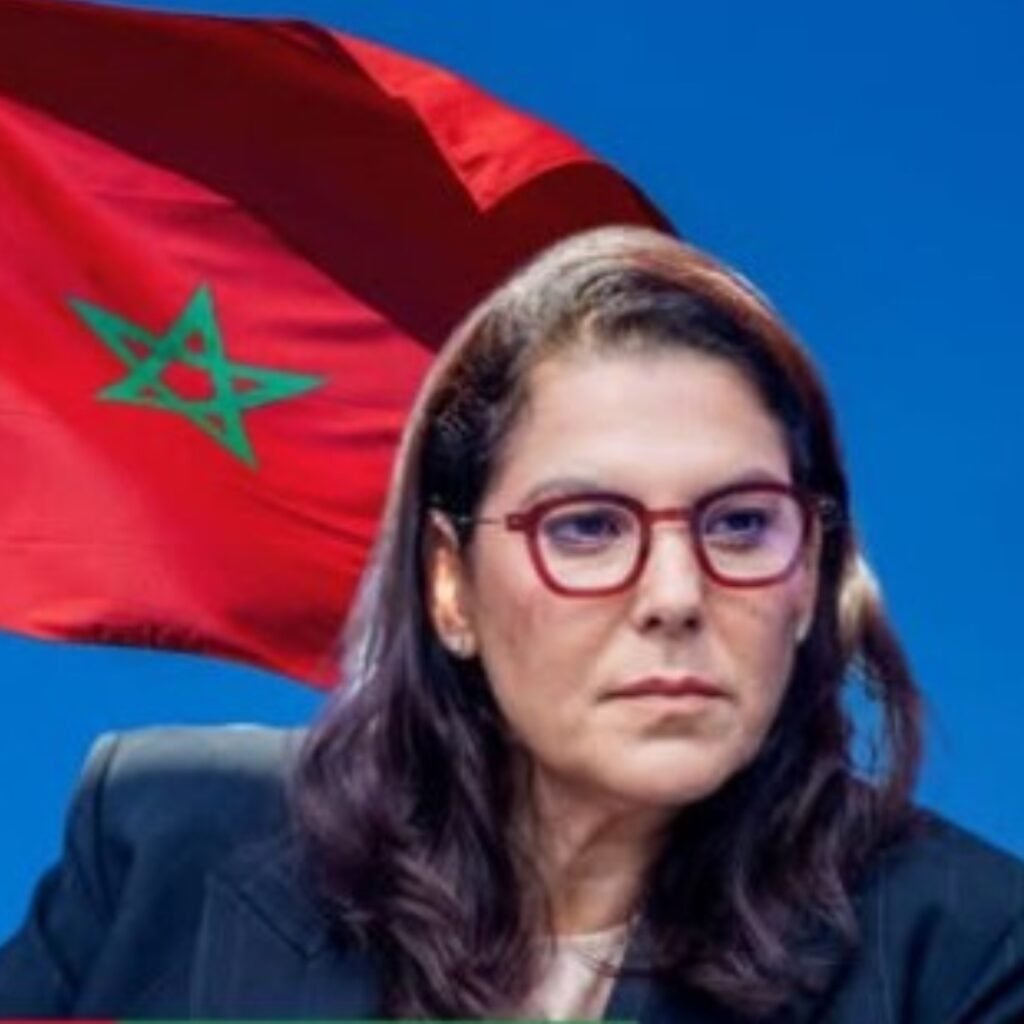
Morocco’s Authenticity and Modernity Party (PAM) has agreed to form a coalition government with three other parties after winning the largest number of seats in September’s parliamentary elections.
The agreement, announced in Rabat on Monday, 12 October 2026, brings together PAM, the nationalist Istiqlal Party, the Socialist Union of Popular Forces (USFP) and the Party of Progress and Socialism (PPS).
According to Reuters, the four parties control 207 seats in Morocco’s 395-member House of Representatives, nine more than the 198 needed for an absolute majority. The parties said they would next propose a cabinet lineup.
How the Coalition Reached a Majority
Official results published by Morocco’s Interior Ministry show that PAM won 97 seats in the 23 September election, followed by Istiqlal with 65 seats, USFP with 26 and PPS with 19. Together, their seats give the alliance a parliamentary majority.
The National Rally of Independents (RNI), which led the outgoing government, secured 66 seats but is not part of the new agreement. The Justice and Development Party (PJD) won 54 seats.
The agreement followed consultations between the parties. Le360 reported that PPS confirmed its participation on Monday, completing the four-party arrangement.
El Mansouri Moves Towards Forming Cabinet
King Mohammed VI appointed PAM leader Fatima Ezzahra El Mansouri to form a government after the election. She is set to become Morocco’s first woman to head the government.
Although the parties have agreed to govern together, the distribution of ministerial posts and the detailed government programme still need to be settled. The coalition agreement therefore marks progress toward forming an administration, rather than the completion of that process.
Economic and Social Challenges Ahead
The incoming government will face pressure to respond to concerns about jobs, education, and healthcare, alongside major infrastructure preparations for the 2030 FIFA World Cup, which Morocco will co-host with Spain and Portugal.
Morocco is a constitutional monarchy in which the king retains significant powers, including over defence and foreign affairs. The parliamentary coalition will nevertheless be central to passing legislation and managing domestic policy.

Trivane View
A 207-seat coalition gives El Mansouri the parliamentary numbers needed to pursue government formation, but its majority is relatively narrow. Agreement on ministerial responsibilities and shared priorities will be important to its ability to govern.
For voters, the more meaningful test will come after the cabinet is formed: whether the coalition can translate its commitments into measurable improvements in employment and public services.