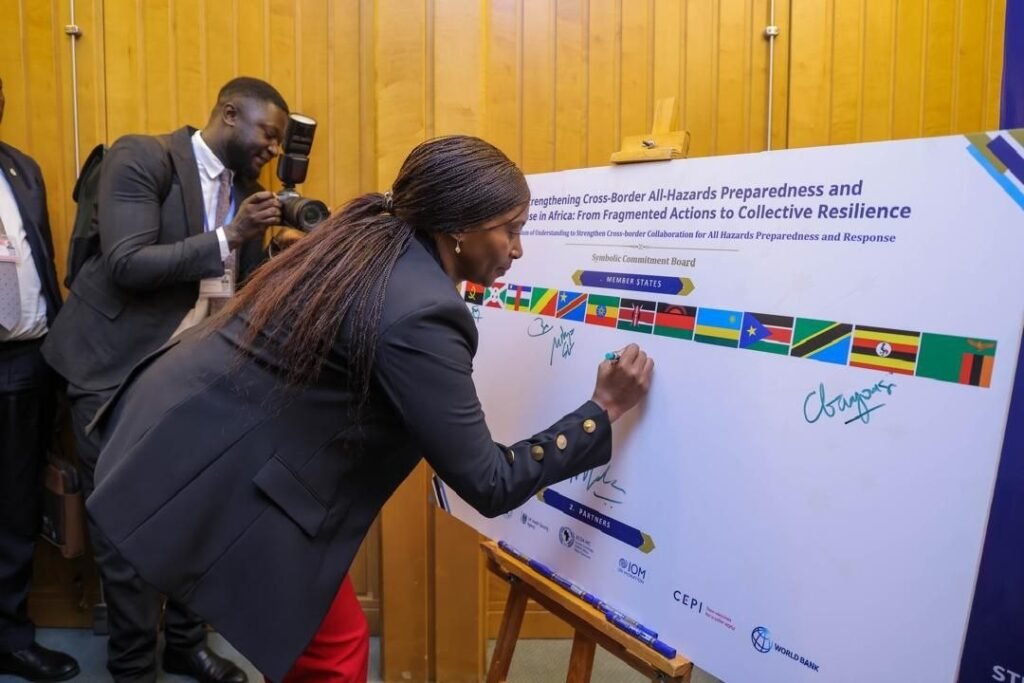
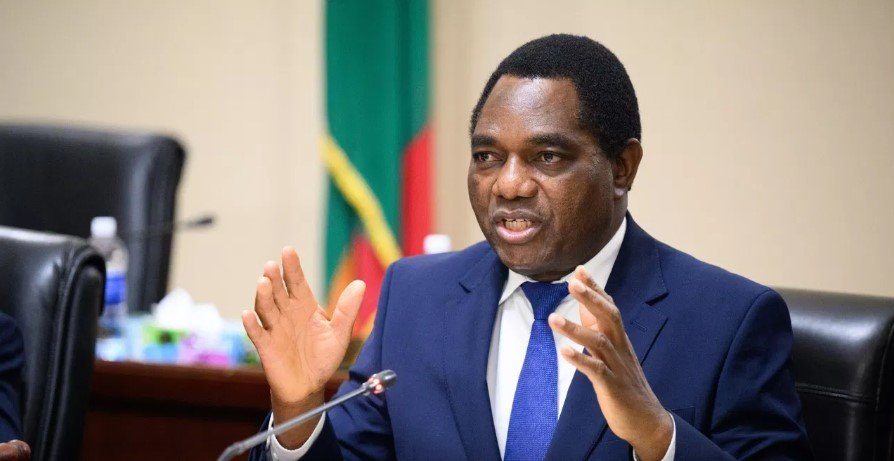
Zambia is preparing to sign a five-year health funding agreement with the United States after its government said it had resolved disagreements over patient information and the sharing of biological samples.
Health Minister Professor Roma Chilengi announced that the signing was scheduled for Thursday, 8 October. The United States would contribute about $1.5 billion over five years, while Zambia would provide approximately $2.1 billion, bringing the combined funding to about $3.6 billion.
According to Reuters, published by Polity, negotiations had stalled over concerns about medical data and attempts to connect health funding with access to Zambia’s critical minerals. Chilengi said the revised health agreement contained no reference to critical minerals.
What has changed
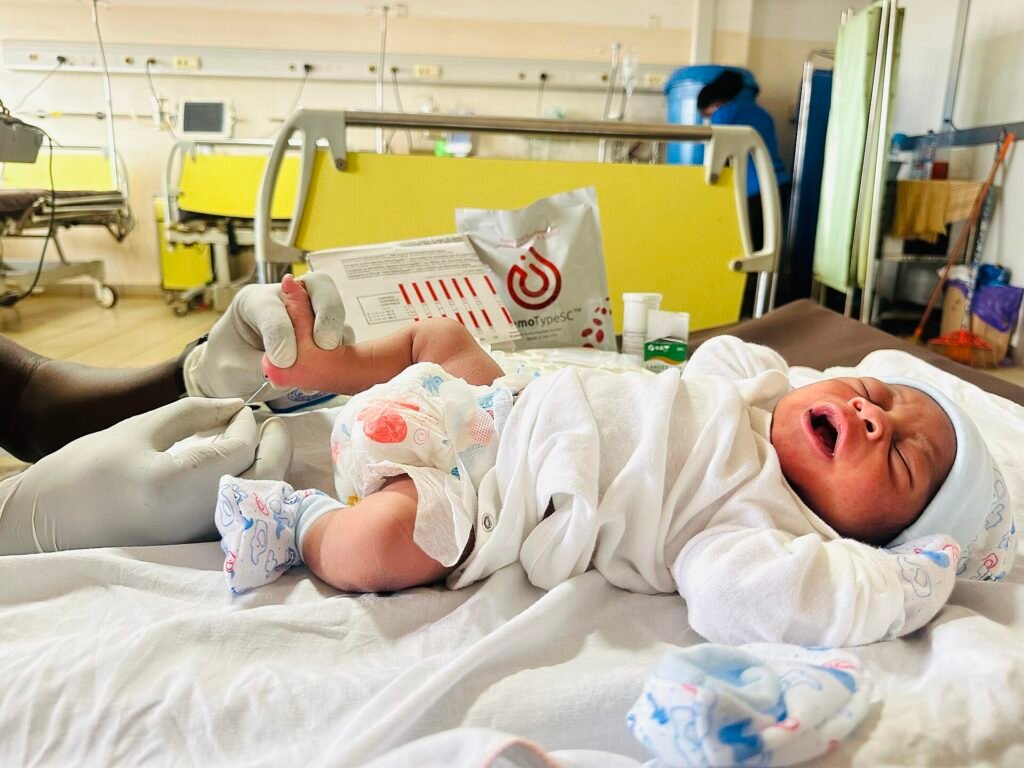
Chilengi said a proposed requirement to provide patient medical specimens to the United States on request had been removed. Biological specimens are samples taken from the body for testing or research.
He said information sharing would be limited to what was needed to monitor and evaluate programmes receiving US funding. This distinction matters: sharing programme results is different from handing over individual patients’ medical records.
The Associated Press, published by ABC News, also reported that Chilengi said provisions requiring the sharing of individual health information had been removed.
Those assurances remain the minister’s account of the revised terms. They should not be presented as an independent examination of the final agreement.
How the funding would work
The package would support health services over five years, rather than provide Zambia with a single immediate payment.
The Zambia Daily Mail reported that US funding would be allocated annually, with contributions expected to decrease over the agreement’s duration.
Zambia would increase its own spending to help sustain services beyond the funding period. The government had previously postponed signing while diplomatic and technical discussions addressed provisions it considered unsuitable.
Why Zimbabwe and Ghana took a different position
Zambia’s negotiations form part of a wider debate over conditions attached to American health assistance.
Reuters reported that Ghana and Zimbabwe rejected proposed agreements over data-sharing demands. AP reported that Zimbabwe’s objections included concerns that its data and samples could support medical discoveries without guaranteeing access to the resulting treatments.
Why it matters to Africa and the diaspora
The US is a major supporter of Zambia’s HIV, malaria and public health programmes. Funding continuity therefore matters to patients and health workers, while privacy protections concern everyone whose information enters the system.
For diaspora families supporting relatives at home, the practical questions are whether services remain available and whether Zambia can sustain them as external contributions fall.
Trivane View
Health funding should protect both access to care and patient privacy. Zambia’s government should publish the agreed terms so the public can assess its assurances. It should also explain how it will meet its own funding commitments without disrupting essential services.