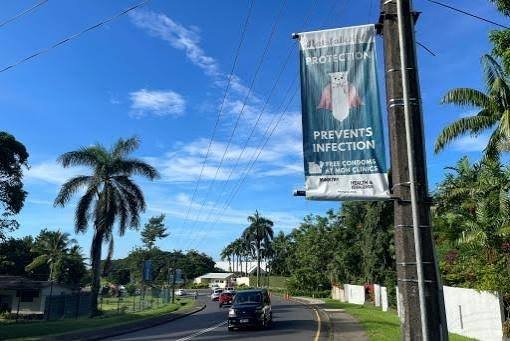
Fiji has declared HIV a national crisis following a sharp rise in diagnoses across the Pacific island nation.
The country recorded 2,016 HIV diagnoses in 2025, a 27% increase from the previous year and 16 times the number reported in 2019.
Health Minister Ratu Atonio Lalabalavu announced the declaration on Wednesday, calling for a coordinated response involving government agencies, health services and local communities.
Authorities estimate that one in every 60 adults in Fiji is living with HIV.
Thousands may not know their status
Fiji, which has a population of about 900,000, is experiencing one of the world’s steepest increases in HIV infections.
UNAIDS estimates that about 9,100 people were living with HIV in the country in 2025. Only 39% knew their status, while just 22% were receiving antiretroviral treatment.
The organisation said new HIV infections in Fiji increased twelvefold between 2010 and 2025.
More testing can lead to a rise in recorded diagnoses because previously undetected cases are identified. However, the scale of Fiji’s increase, combined with low testing and treatment levels, has caused serious concern among health officials.
Sexual contact and injecting drug use
Among cases where the method of transmission was known, more than half were linked to sexual contact. More than 42% were associated with injecting drug use, according to UNAIDS.
Fiji has faced growing concerns over methamphetamine use and the sharing of injecting equipment. Using a needle or syringe previously used by someone with HIV can transmit the virus through infected blood.
The government plans to introduce a formal needle-and-syringe programme as part of its response. Proposed legal changes are expected to be presented to Parliament to support the programme.
Health officials also plan to expand access to free and confidential testing, antiretroviral treatment and pre-exposure prophylaxis, commonly known as PrEP. PrEP is medication taken by HIV-negative people to reduce their risk of acquiring the virus.
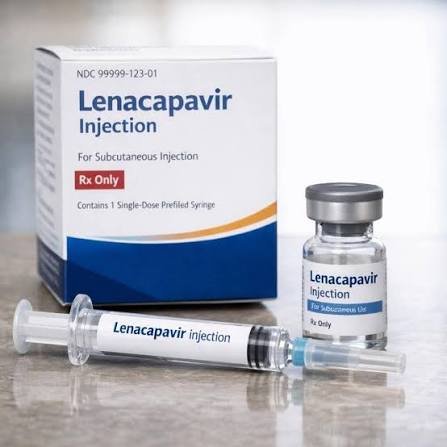
Long-acting prevention options, including injections administered twice a year, are also being considered.
Babies affected by the crisis
The rise in infections is also affecting children.
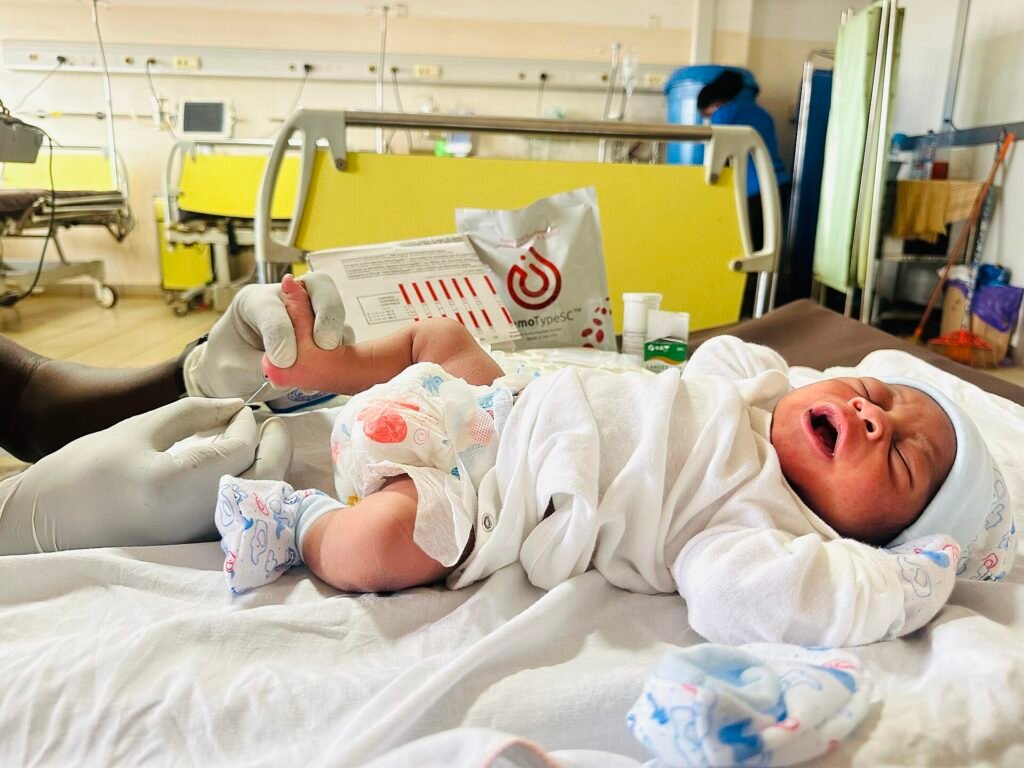
Fifty-nine babies were born with HIV in Fiji during 2025, while 18 died before reaching their first birthday, according to figures reported by Reuters.
HIV can pass from a mother to her baby during pregnancy, childbirth or breastfeeding. However, effective treatment during pregnancy can greatly reduce the likelihood of transmission.
The number of affected babies points to gaps in antenatal testing, treatment and continued care for pregnant women living with HIV.
Government promises wider response
Fiji has created a Cabinet subcommittee involving five ministers to address policy and practical barriers affecting the national response.
The plan will also strengthen community outreach and improve access to prevention, testing and treatment services. Community organisations and peer workers are expected to help reach people who may not use formal health facilities.
UNAIDS has welcomed the declaration and promised continued technical support to Fiji.
The organisation said the country still has an opportunity to change the direction of the epidemic if it expands treatment, prevention and community-led services quickly.
Declaration is a call for action, not fear
Health authorities have stressed that the declaration should not increase fear or discrimination against people living with HIV.
HIV is not transmitted through ordinary contact such as shaking hands, hugging, sharing food or using the same facilities.
People who take effective antiretroviral treatment can reduce the amount of HIV in their blood to an undetectable level. When that level is maintained, they do not transmit HIV through sex—a principle known as “undetectable equals untransmittable”, or U=U.
Fiji’s government has also reminded the public that discrimination against people living with HIV is unlawful.
The national declaration is intended to accelerate testing, prevention and treatment while confronting stigma. Its success will depend on whether the government can turn the announcement into accessible services for those most at risk.