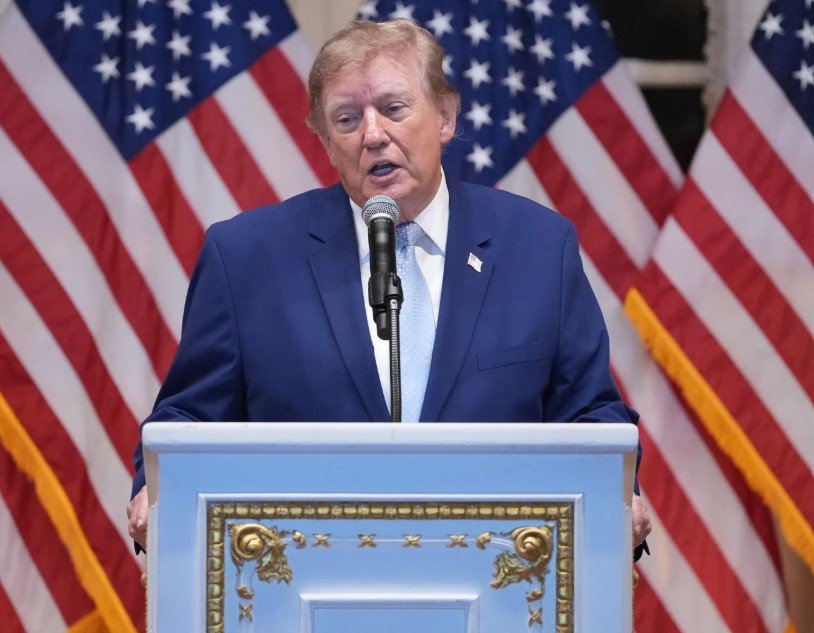
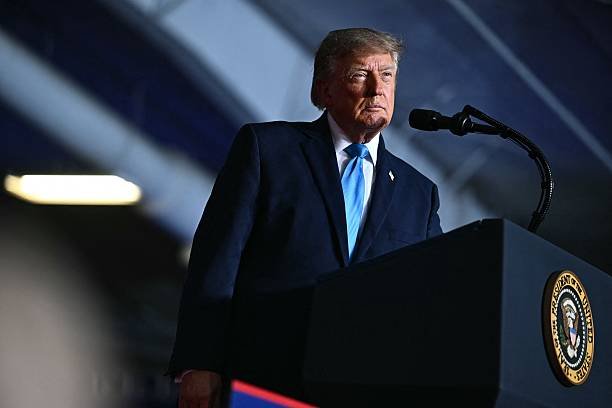
Foreign ministers from the Group of Seven are gathering in Paris on Monday, 9 November 2026, for talks dominated by the war in Ukraine, the Iran crisis and questions about United States foreign policy after last week’s midterm elections. The discussions are a diplomatic meeting, not a summit at which a peace agreement is expected to be signed. According to Reuters, allies want to understand whether the Democratic Party’s gains in Congress will constrain President Donald Trump’s approach to international disputes.
The G7 brings together Canada, France, Germany, Italy, Japan, the United Kingdom and the United States, with the European Union also participating. Its discussions can signal priorities and coordinate responses, but its declarations do not automatically create binding agreements. The ministers will therefore be judged partly on whether they can agree on practical support and on a common account of the conflicts they are discussing.
What Is at Stake for Ukraine?
Ukraine is expected to occupy a substantial share of the agenda before planned talks involving the United States, Ukraine and Russia in Abu Dhabi. Countries supporting Kyiv are concerned about Russian strikes on electricity networks and other infrastructure while winter approaches. Officials also face questions about supplies of air-defense interceptors, money for repairs and the long-term guarantees that could accompany any political settlement.
Washington’s position matters because American military and diplomatic support can shape Kyiv’s negotiating room. However, discussion of security guarantees should not be confused with a finalized agreement on borders, enforcement or ceasefire monitoring. Those questions remain unresolved. European governments may also differ over how to combine pressure on Moscow with engagement in talks.

How Do the US Midterms Change the Discussion?
The elections have altered the balance in Congress, but they have not transferred control of American foreign policy away from the president. Lawmakers can affect budgets, hearings and the political costs of certain decisions, while the executive branch continues to lead diplomatic negotiations. Diplomats therefore want to assess the consequences without assuming that the administration will immediately return to earlier patterns of alliance coordination.
The timing makes the Paris meeting an early test of whether allies can communicate their concerns directly and agree on realistic next steps. Statements of unity will be useful only if accompanied by a shared understanding of what support can be delivered, how quickly and under which legal or financial arrangements.
Why Is Iran Also on the Agenda?
The continuing confrontation involving Iran has raised worries about shipping, regional security and the possibility of additional American strikes. Qatar has acted as an intermediary between Washington and Tehran, but the negotiations remain difficult. Secretary of State Marco Rubio has publicly described the gaps between the parties as substantial. The G7 must consider how diplomatic engagement can continue without increasing the risks to civilians and trade routes.
France and the United States may also have different priorities in Lebanon, where Paris has sought a renewed international security arrangement. Such differences are not necessarily proof of a breakdown; they show how the allies must reconcile regional concerns within a broader diplomatic agenda. Ministers from several invited countries are also expected to participate in portions of the discussions.
What Happens After the Meeting?
Attention will turn to the ministers’ closing statements and to whether specific commitments emerge on Ukrainian air defense, financial assistance or diplomacy involving Iran. Journalists should distinguish between proposals raised in private talks, public commitments and measures actually implemented. The number of participants or the strength of a communiqué cannot alone establish diplomatic success.
For Ukraine, the immediate issue is protection of civilians and infrastructure alongside preparations for negotiations. For the Middle East, the test is whether governments can reduce escalation and keep diplomatic channels open. Monday’s gathering offers an opportunity for coordination, not a guarantee that either conflict will be resolved.
Why Do the Outcomes Matter Beyond Europe?
Disruption in the Middle East can affect international energy prices and commercial shipping, while continued fighting in Ukraine affects food, energy and humanitarian spending across regions. African economies may experience some of these pressures through import costs, currency markets and assistance budgets, even without participating directly in the diplomatic talks. However, the size of any impact depends on market conditions and policy responses; ministers cannot assume a particular price movement simply because a meeting takes place. The presence of invited ministers from outside the G7 gives other governments an opportunity to describe those wider consequences. A useful outcome would be greater clarity about how international partners will manage risks to civilians, commerce and public finances while negotiations remain uncertain.
Trivane View
Diplomatic statements should not obscure the immediate security consequences of the conflicts under discussion. Clear distinctions between proposals, agreed commitments and their implementation are essential for responsible reporting.
Related Trivane News
Russian Strikes Damage Kyiv Bridge and Energy Network Ahead of Peace Talks
Iran Sends Nuclear Proposal to US Through Qatar as Seven Demands Stall Talks