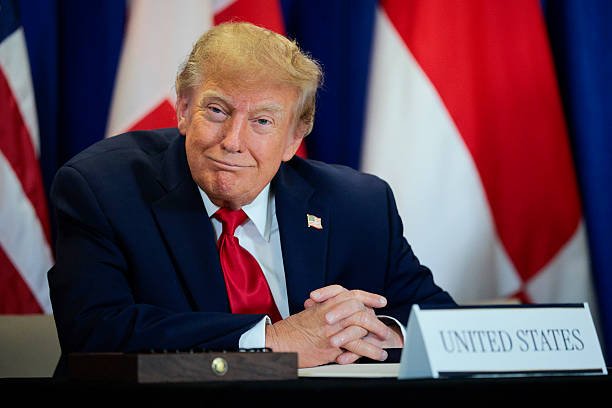
Delegates from several countries walked out of an International Monetary Fund (IMF) steering committee meeting in Bangkok, Thailand, on Saturday, 17 October 2026, as Russian Finance Minister Anton Siluanov addressed the gathering.
The protest took place during a meeting of the International Monetary and Financial Committee (IMFC), which advises the IMF on major developments affecting the global economy.
According to Reuters, several delegations left the room when Siluanov began speaking in Russian, reflecting continuing opposition to Moscow’s war in Ukraine.
The walkout occurred during the annual meetings of the IMF and World Bank, where finance ministers, central bank officials and other policymakers had gathered to discuss economic conditions and financial stability.
Despite the protest, the committee agreed on a chair’s statement setting out shared concerns about the world economy.
European officials join the walkout
The protest involved representatives from several European countries, including Germany, France, Britain and Nordic and Baltic states.
Officials from Denmark, Sweden, Finland, Norway, Lithuania, Latvia and Estonia were among those reported to have left the meeting.
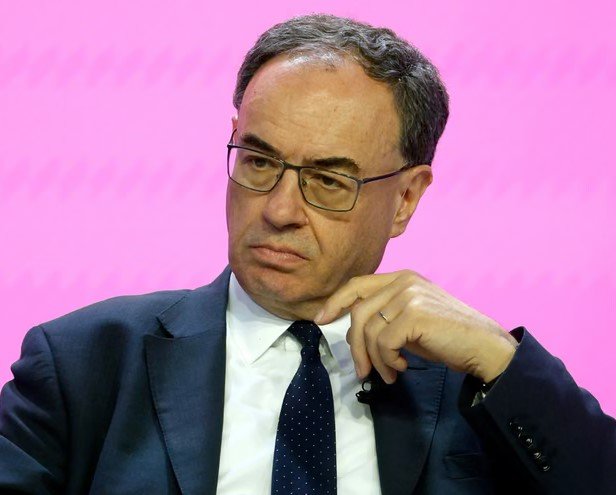
Bank of England Governor Andrew Bailey also participated, according to a Guardian report.
Reuters initially cited an official who estimated that nearly a dozen delegates had left. Later, IMFC chair Mohammed Al-Jadaan acknowledged a walkout involving nearly half of the delegates.
The differing descriptions reflect accounts of the protest as they emerged and should not be treated as separate walkouts.
Bundesbank President Joachim Nagel described the action as a demonstration of solidarity with Ukraine.
Ukraine’s central bank governor, Andriy Pyshnyi, also expressed surprise at the level of participation.
The protest reflects the difficulty some European governments face in engaging with Russian officials while Moscow’s military campaign in Ukraine continues.
Russia’s full-scale invasion in February 2022 has repeatedly complicated discussions at international economic meetings, particularly when member countries have attempted to agree on statements addressing geopolitical tensions.

Committee reaches agreement despite tensions
Although delegates left during Siluanov’s remarks, the protest did not prevent the committee from agreeing on its chair’s statement.
Al-Jadaan, Saudi Arabia’s finance minister and chair of the IMFC, said the agreement demonstrated that members could still cooperate on economic issues despite their political differences.
The distinction is important. A chair’s statement records the committee’s agreed economic priorities, but it does not mean countries have resolved their disagreements over Russia’s participation in international forums.
The meeting therefore produced two contrasting developments: a visible diplomatic protest and continued cooperation on matters affecting the global economy.
IMF warns of risks to global stability
Speaking at the IMF’s official press briefing, Al-Jadaan said the global economy had remained resilient despite considerable uncertainty.
However, he warned that governments and financial institutions could not afford to become complacent.
He identified armed conflicts, high public debt, disruptions to major trade routes, and threats to food and energy security among the challenges facing policymakers.
Rapid advances in artificial intelligence were also discussed. While the technology could improve productivity, officials warned that its effects might deepen economic inequalities and create new financial risks.
The committee called for stronger international cooperation and continued support for countries facing economic difficulties.
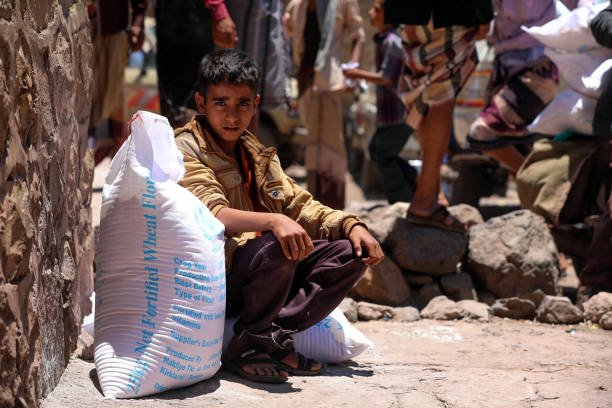
These concerns are particularly important for lower-income and conflict-affected economies, where rising energy prices, debt repayments, and disruptions to trade can place additional pressure on public finances.
IMF Managing Director Kristalina Georgieva described the meetings as productive while acknowledging concerns about widening differences in economic performance between countries.
Why the disagreement matters
The IMF brings together countries with different political interests to address financial challenges that often extend beyond national borders.
Disagreements over Russia’s participation can make those discussions more difficult, particularly when officials are expected to reach common positions on economic policy.
At the same time, the challenges facing the global economy require cooperation among countries that do not necessarily agree on international security issues.
The Bangkok meeting demonstrated both realities.
European delegates used the walkout to express their opposition to Russia’s war in Ukraine, while the committee continued its work on debt, economic growth, and financial stability.
The agreement on the chair’s statement shows that cooperation remains possible, even as Russia’s role in international economic discussions continues to divide member countries.