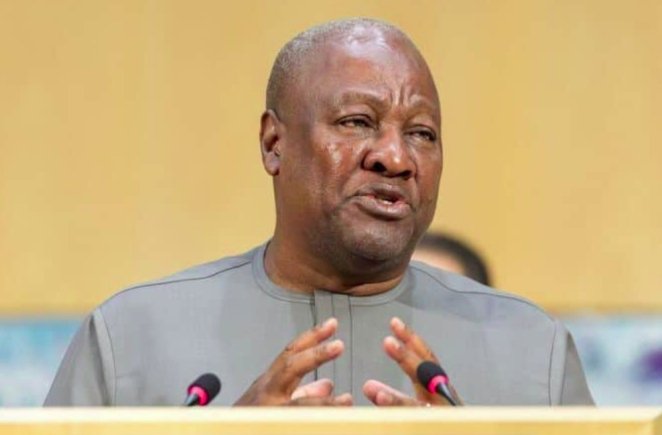
Ghanaian President John Dramani Mahama has said countries committed to fighting terrorism should be welcome to support security efforts in West Africa, including Russia, as governments across the region continue to confront militant violence.
Speaking at the Financial Times Africa Summit in London on Wednesday, October 21, Mahama said he was not concerned about Russian involvement in security operations in the Sahel, provided the assistance contributes to the fight against terrorism.
“My opinion on this is that anybody who is committed to the fight against terrorism is welcome,” he said, according to “Graphic Online’s report”
Security partnerships in a changing region
The Sahel, which stretches across parts of Africa south of the Sahara, has faced years of attacks by armed groups linked to al-Qaeda and the Islamic State. The violence has displaced communities, disrupted livelihoods, and placed significant pressure on national security forces.
Several governments in the region have reconsidered longstanding military relationships with Western countries and expanded cooperation with Russia. These changes have fuelled debate over which external partners can provide effective support against armed groups and what conditions should govern that cooperation.
Mahama’s comments signal an approach that places the stated objective of countering terrorism above the identity of the country offering assistance. They do not, however, amount to an announcement of a new Ghana–Russia security agreement.

Regional cooperation remains a challenge
Mahama also addressed efforts to establish a West African standby force to respond to regional insecurity. He said progress had been delayed by the absence of a United Nations resolution that could help provide the necessary financing, according to “Reuters’ coverage of his remarks”
A regional force would require more than political agreement. Governments would need to settle questions around funding, coordination, operational responsibilities, and the capacity to sustain deployments.
The wider security challenge also extends beyond military operations. Armed violence has weakened local economies, disrupted trade routes, and forced people from their homes, making regional cooperation important for both security and economic recovery.
What this means for West Africa
Ghana’s position comes as West African governments weigh how to cooperate with international partners while maintaining control over their security priorities. The effectiveness of any partnership will ultimately depend on whether it improves protection for civilians and reduces the ability of armed groups to operate.
Mahama’s remarks outline an open approach to assistance, but the practical impact will depend on the agreements governments pursue and the results those arrangements deliver on the ground.