Burkina Faso has reinstated the death penalty for several offences, including terrorism, high treason, espionage, parricide and the importation of expired or prohibited products, marking a major reversal in the country’s criminal justice policy.
The country’s legislature unanimously adopted a new penal code on Tuesday, October 20, with all 71 members voting in favour, according to the justice minister, Edasso Rodrigue Bayala. The decision was reported by the Associated Press in its “coverage of the parliamentary vote”.
The move ends the abolition of capital punishment for ordinary crimes introduced in 2018 under former president Roch Marc Christian Kaboré. Human Rights Watch says the country’s last known judicial execution took place in 1988.
Government links the measure to counterterrorism
Burkina Faso has been battling armed groups linked to al-Qaeda and the Islamic State, with attacks contributing to widespread displacement and insecurity. The military-led government has defended tougher criminal penalties as part of its response to the crisis.
Justice Minister Bayala has argued that the previous legal framework was insufficiently severe for terrorism-related offences. Authorities maintain that restoring capital punishment will strengthen the state’s ability to deter serious crimes.
However, the adoption of the new penal code does not establish that executions will immediately take place. The practical consequences will depend on how the law is applied, the cases brought before the courts, and the safeguards available to defendants.

Rights groups raise concerns about due process.
Human rights organizations have criticised the decision, warning that capital punishment carries particular risks in a justice system where defendants may not receive a fair trial.
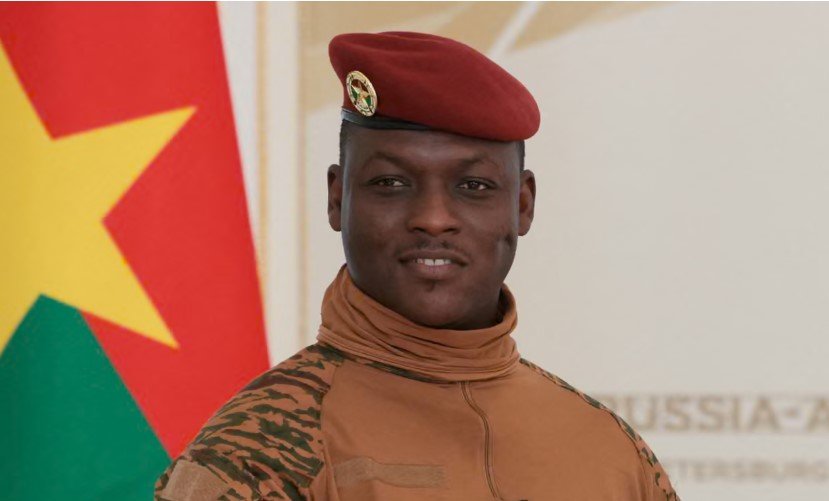
In its “assessment of the law’s reinstatement”, Human Rights Watch argued that the measure could further weaken civil liberties under the military authorities led by interim president Ibrahim Traoré.
Since the September 2022 coup, the authorities have faced allegations of restricting political activity, detaining critics, and limiting independent media. Human Rights Watch has also documented serious procedural problems in terrorism-related cases, including slow investigations and concerns about defendants’ rights.
These concerns are significant because a death sentence is irreversible. If a conviction results from unreliable evidence, an unfair trial, or the inability to mount an adequate defence, the consequences cannot be corrected after an execution.
The restoration of capital punishment also runs against longstanding international efforts to limit and abolish the practice. The United Nations and African human rights institutions have repeatedly called for stronger protections against its use.
Trivane View
Security Must Not Come at the Expense of Justice
Burkina Faso has a responsibility to protect its citizens from terrorism, but restoring the death penalty does not automatically guarantee greater security. Effective investigations, credible evidence and fair trials are essential to holding offenders accountable without risking irreversible miscarriages of justice. As the country confronts insecurity, its response must protect both public safety and fundamental human rights.