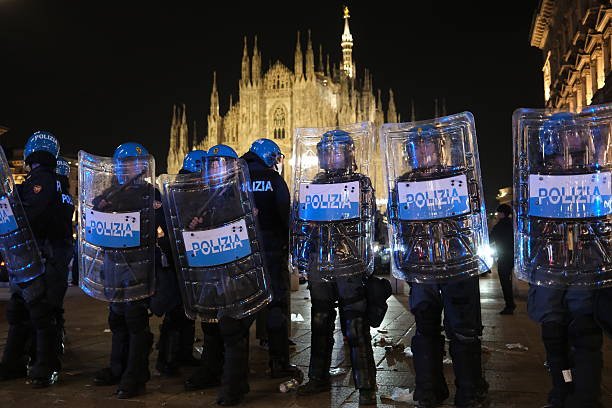
Italy has approved the deployment of 500 additional troops to Milan after demonstrations over the rising cost of living escalated into clashes, looting, and property damage in several northern cities.
The cabinet approved the deployment on Tuesday, October 20, alongside a package of tougher security measures. According to “Euronews’ report“, the troops will reinforce security at key sites, increase surveillance of sensitive locations and support monitoring operations.
The move follows unrest over rising fuel and energy costs, high rents, low wages, and dissatisfaction with public services.
Government tightens its response
The protests began as demonstrations over economic pressures but turned violent in parts of Milan and other cities, including Turin and Bologna. Some groups clashed with police, while shops were looted and property was damaged.
Prime Minister Giorgia Meloni’s government has defended a firm response to the violence. The new measures include tougher penalties for certain offences committed during demonstrations and provisions targeting vandalism and looting involving young people.
However, the deployment does not mean soldiers have been given unrestricted police powers. Euronews reported that the cabinet stopped short of granting the military additional policing authority.

The debate over security and civil liberties
The government says the measures are intended to protect public safety and prevent further violence. Critics of tougher protest laws, however, may question whether expanded penalties adequately distinguish peaceful demonstrators from those responsible for criminal acts.
In its coverage of the cabinet decision, “Al Jazeera” reported that the package includes new offences and increased penalties for violent participation in demonstrations, as well as measures concerning parents whose children are involved in vandalism and looting.
The details of enforcement will matter as the government implements the new rules. The presence of additional troops is a security measure; it does not, by itself, resolve the economic concerns that prompted the demonstrations.
Economic pressure remains at the centre.
The unrest highlights the political challenge facing European governments as households contend with the cost of essentials, housing and energy. Security operations may help prevent further disorder, but concerns over wages, rents and public services require separate policy responses.
For Italy, the immediate test is whether the additional deployment and new legal measures can prevent further violence without deepening tensions with demonstrators.